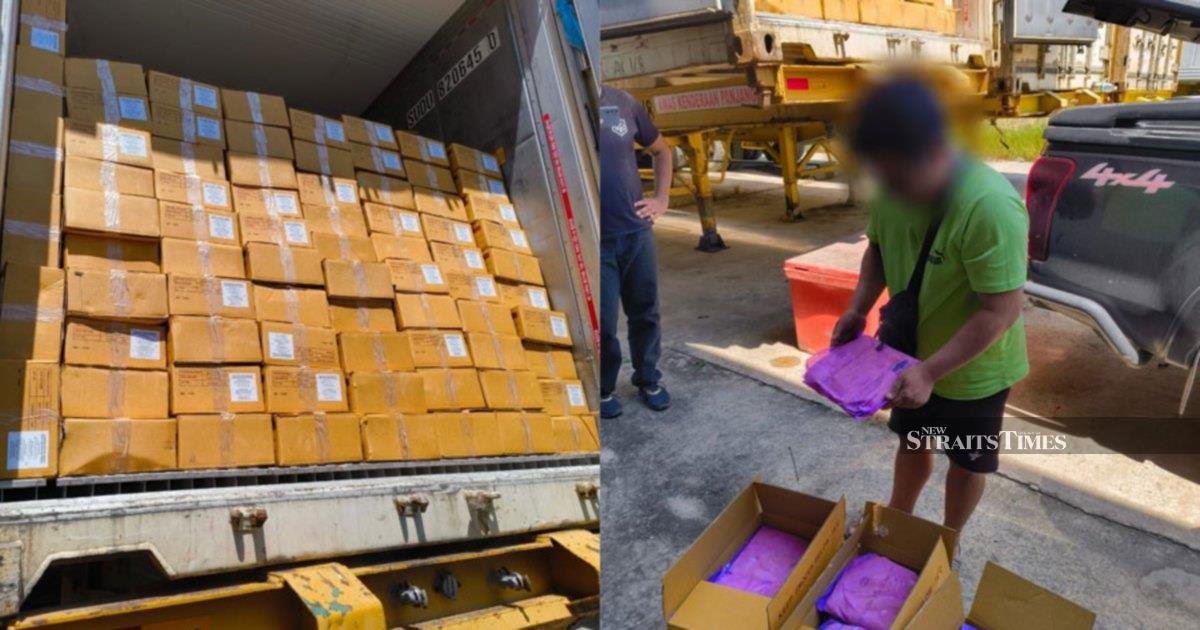
The Malaysian Anti-Corruption Commission has successfully dismantled a criminal network engaged in the illegal importation of frozen chicken from China into Sabah, marking another significant enforcement victory in the ongoing battle against contraband food supplies entering Malaysian markets through porous supply routes. The operation represents a critical intervention in what investigators believe was a well-coordinated smuggling operation designed to circumvent legitimate import channels and regulatory oversight.
The syndicate's dismantling underscores growing concerns about illicit food imports flowing through East Malaysia, where geographic isolation and less intensive border monitoring have historically created vulnerabilities. Frozen poultry originating from unverified sources poses substantial public health risks, as these products may lack proper certification, cold-chain documentation, and quality assurance protocols mandated by Malaysia's veterinary and food safety authorities. The scale and sophistication of this particular operation suggests the perpetrators had developed systematic methods to mask shipments and corrupt oversight mechanisms.
Sabah's strategic location as a gateway to Southeast Asia and its proximity to major shipping routes through the Sulu and Celebes Seas have made it a recurring target for smuggling operations. The state's extensive coastline and multiple port facilities, combined with significant gaps in coordinated inter-agency surveillance, have historically facilitated contraband trafficking across various commodity categories. The MACC's successful intervention demonstrates enhanced coordination between anti-corruption authorities and border enforcement agencies, reflecting a more integrated approach to combating organised import fraud.
Illegal frozen chicken imports directly undermine legitimate local producers and importers who comply with stringent regulatory requirements, including halal certification, veterinary health certificates, and temperature-controlled logistics. The availability of undocumented poultry in local markets creates unfair competitive pressure by allowing smugglers to avoid taxes, levies, and compliance costs that legitimate operators must absorb. This distortion affects pricing mechanisms and market share distribution, with particular impact on small and medium-sized Malaysian poultry producers already navigating volatile input costs and global supply chain disruptions.
The investigation's success reflects intensified MACC efforts to address corruption within customs and port management systems, which frequently serve as entry points for contraband. Officers investigate not only the smugglers themselves but also potential complicity among government personnel who may have deliberately overlooked shipments or issued fraudulent documentation. These internal corruption angles prove essential, as smuggling networks typically cannot operate without some level of official connivance or negligence at critical checkpoints.
From a consumer protection standpoint, illegal frozen chicken shipments pose serious food safety hazards. Products originating from unregulated Chinese suppliers may contain excessive pesticide residues, bacterial contamination, or prohibited antibiotics if sourced from facilities operating outside formal oversight frameworks. Once distributed through informal markets, these products reach consumers lacking transparency about origin, processing conditions, and storage history. Cases of foodborne illness traced to smuggled poultry have previously occurred across Southeast Asia, highlighting the tangible public health consequences of regulatory failures.
The case also reflects broader challenges in managing food security across an archipelagic nation where managing borders and supply chains requires sophisticated coordination across multiple agencies. Malaysia's Ministry of Domestic Trade and Cost of Living, the Department of Veterinary Services, and customs authorities must work in concert to identify suspicious shipments before they reach distribution networks. The MACC's intervention signals progress in this inter-departmental cooperation, though vigilance must remain constant as smuggling operations continually adapt methods to evade detection.
Economically, illegal poultry imports distort Malaysia's domestic production incentives and trade balances. Malaysian chicken producers, already facing competition from regional suppliers in Thailand and Vietnam, cannot compete when illegal products undercut legitimate channels. This discourages investment in poultry farming, processing infrastructure, and cold-chain development, ultimately weakening domestic food security resilience. The financial leakage from unpaid duties and taxes also represents lost government revenue that could otherwise fund agriculture development or food safety programmes.
The syndicate's operations raise questions about broader transparency in port management and customs procedures. The MACC investigation likely examined whether standard verification protocols were properly implemented and whether documentation was appropriately scrutinised at point of entry. Findings may result in procedural reforms, additional training for port personnel, or technological enhancements to improve cargo tracking and authentication. Such systemic improvements prove as important as prosecuting individual offenders, creating lasting deterrent effects against future smuggling ventures.
For Malaysian consumers and food sector stakeholders, the operation offers reassurance that enforcement authorities maintain capacity to identify and dismantle significant contraband networks. However, sustained vigilance remains essential, particularly in regions where supervision capacity remains limited. The MACC's continued focus on this area, combined with increased public awareness about food provenance verification, should gradually strengthen market integrity and protect both legitimate producers and consumer safety across Malaysia's food supply ecosystem.

