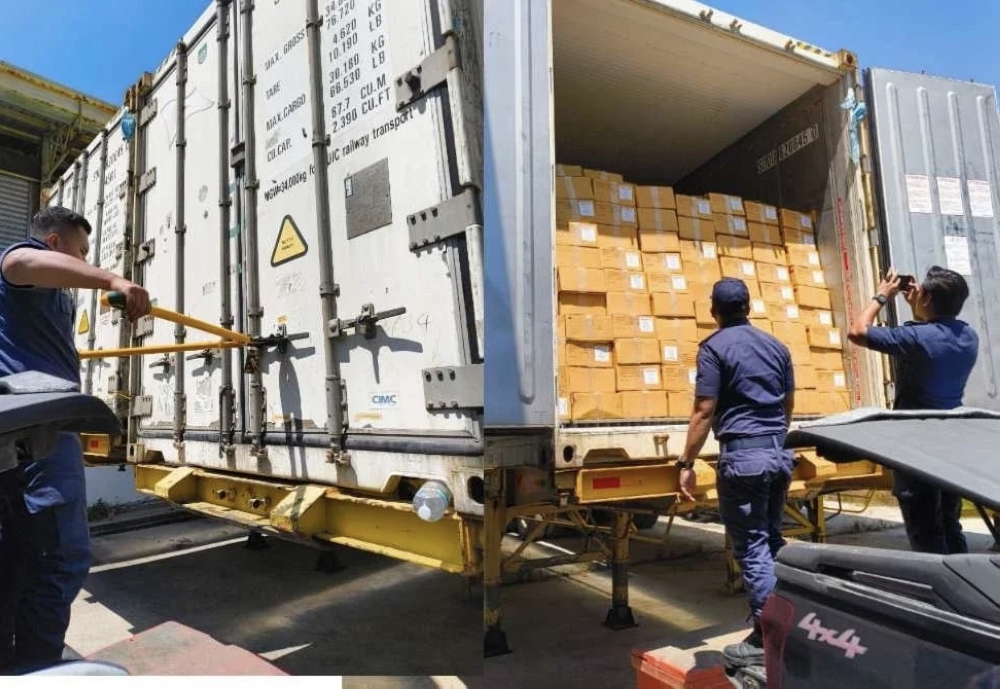
The Malaysian Anti-Corruption Commission has uncovered and shut down a smuggling operation centred on illegally importing frozen poultry from China into Sabah, with authorities apprehending three individuals suspected of orchestrating the scheme. The enforcement action, dubbed Operation Chick, represents a significant crackdown on what investigators describe as a well-organised network designed to evade established import protocols and bypass regulatory oversight across the state's border zones.
The operation exposed systematic violations of Malaysia's food safety and customs regulations, with the syndicate allegedly operating unauthorised import channels to bring frozen chicken products into the country without proper documentation or health certifications. Investigators determined that the suspects deliberately circumvented standard inspection procedures that exist specifically to protect consumers and maintain the integrity of domestic poultry markets. The manner in which the operation functioned suggests coordination among multiple parties with distinct roles in procurement, logistics, and distribution.
For Malaysian consumers and the domestic poultry industry, this development carries substantial implications. Illegally imported frozen chicken typically bypasses rigorous quality controls and health inspections mandated by the Ministry of Health and relevant food safety authorities. Products entering through such channels have unknown storage conditions, provenance, and compliance with Malaysian food safety standards. This represents a genuine public health concern, as consumers may unknowingly purchase poultry that fails to meet basic hygiene and quality benchmarks established to prevent foodborne illnesses.
The Sabah-based operation also underscores broader challenges facing Malaysian law enforcement in managing cross-border trade violations, particularly given the state's geographic position and maritime borders. Criminal syndicates operating in the region have increasingly exploited smuggling routes to circumvent customs inspections and regulatory frameworks. The prevalence of such activities in Sabah reflects the operational difficulties authorities encounter when attempting to monitor extensive coastlines and land borders, where organised networks continuously adapt tactics to avoid detection.
This network's focus on frozen poultry imports from China aligns with broader regional trade patterns. China has become a major source of frozen agricultural products destined for Southeast Asian markets, creating legitimate import volumes that can mask illegal shipments. The sheer volume of lawful poultry imports from China provides cover for syndicate operations that deliberately blend illegally sourced products with legitimate consignments or establish entirely parallel distribution channels. Authorities must therefore invest in more sophisticated tracking and verification mechanisms to distinguish legitimate commerce from smuggled goods.
The arrested individuals likely represent only the visible portion of a larger operational structure. Experience from similar enforcement actions suggests that successful smuggling rings typically involve networks extending across multiple states, encompassing suppliers, transporters, storage operators, and retail distributors. The three apprehensions may catalyse further investigations as enforcement agencies trace connections backward to original sources and forward through distribution chains that brought contraband products to consumers.
From a regulatory perspective, this incident highlights weaknesses in import verification systems and compliance enforcement. Authorities must consider whether current inspection protocols adequately scrutinise shipment documentation and whether customs officers receive sufficient training to identify fraudulent import permits or altered certifications. Enhanced technology adoption, including real-time tracking systems and blockchain verification for food imports, could substantially improve authorities' capacity to detect anomalies and prevent similar operations from establishing themselves.
The economic dimension extends beyond food safety concerns. Illegal imports undercut legitimate domestic poultry producers and importers who comply with regulations and absorb associated compliance costs. When smuggled products reach retail markets at artificially depressed prices, lawful businesses face competitive disadvantages that discourage continued compliance and investment in regulated operations. This distortion can ultimately reduce market efficiency and legitimate employment across Malaysia's poultry sector.
Sabah's vulnerability to such operations reflects the state's development status and enforcement resource constraints compared to peninsula Malaysia. Strengthening regulatory capacity in less densely populated or border-adjacent regions requires sustained investment in customs personnel, modern detection equipment, and inter-agency coordination mechanisms. The MACC's involvement alongside likely participation from Customs Department and state health authorities demonstrates recognition that combating such syndicates demands multi-agency collaboration rather than isolated enforcement efforts.
Looking forward, this operation should prompt comprehensive review of frozen poultry import procedures across Malaysia. Authorities might consider implementing mandatory traceability systems for all imported products, establishing more rigorous verification protocols with Chinese exporters and Malaysian importers, and enhancing penalties for non-compliance to deter future smuggling attempts. Consumers and retailers warrant greater transparency regarding product sourcing to enable informed purchasing decisions and support legitimate suppliers.
The incident also carries implications for Malaysia's standing on food security and consumer protection internationally. Permitting illegal imports to proliferate undermines government credibility with regional trading partners and domestic consumers alike. Sustained enforcement against smuggling networks demonstrates commitment to maintaining market integrity and protecting public health through consistent application of established standards.
As investigations continue, authorities will likely uncover additional details regarding the operation's timeline, total volumes of contraband distributed, and geographic reach across Malaysia. These findings should inform policy adjustments and resource allocation to prevent recurrence of similar violations.

