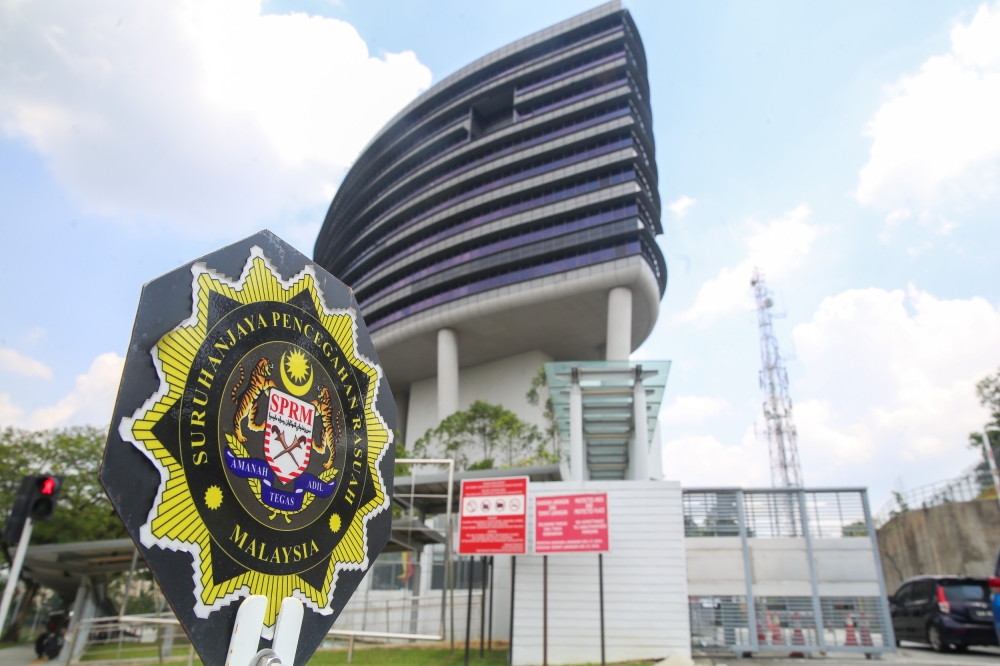
The Malaysian Anti-Corruption Commission has taken five additional immigration officers into custody as part of an expanding investigation into alleged illegal access of the MyIMMs digital platform, the country's primary system for managing immigration records and border-crossing data. The arrests, announced in Putrajaya, represent a significant escalation in what has become a high-profile corruption inquiry threatening to expose vulnerabilities in one of Southeast Asia's most critical infrastructure systems.
The MyIMMs platform serves as the backbone for Malaysia's immigration enforcement and traveller processing operations, handling millions of transactions annually across airports, land borders, and maritime ports. Unauthorized access to such systems raises serious national security concerns, as malicious actors could potentially manipulate travel records, create fraudulent clearances, or compromise sensitive biometric information stored within the database. The scope of the alleged breach remains unclear, but the ongoing arrests suggest investigators are uncovering a network of individuals with varying levels of system access and motivation.
These latest detentions follow earlier apprehensions in the same investigation, indicating that the MACC's probe has progressed beyond initial suspects to implicate a broader circle within the immigration service. The commission typically conducts detailed forensic analysis of system logs and digital trails before expanding its dragnet, suggesting that investigators have gathered sufficient electronic evidence to justify widening the inquiry. This methodical approach indicates the authorities are building a comprehensive picture of how the alleged hacking occurred and who benefited from the unauthorized access.
Corruption within immigration agencies carries particular gravity in Malaysia's context, as the sector handles substantial discretionary power over entry and exit approvals, visa processing, and travel documentation. Officers with system access could theoretically facilitate illegal entry for fees, create fraudulent travel histories, or obstruct legitimate border operations. Such breaches undermine not only national security but also public confidence in Malaysia's ability to safeguard sensitive citizen data and border integrity—concerns that resonate across Southeast Asia's broader security framework.
The investigation highlights persistent challenges in securing government digital systems against internal threats, a vulnerability that extends well beyond Malaysia's immigration apparatus. Many government agencies across the region struggle to implement robust access controls, audit trails, and segregation of duties that would prevent or quickly detect unauthorized system access. The immigration service's apparent struggle with these fundamentals raises questions about the adequacy of training, supervision, and technological safeguards protecting other critical databases.
For businesses and citizens reliant on Malaysia's immigration system, these revelations carry operational implications. Any disruption to MyIMMs reliability could cascade across supply chains dependent on predictable border crossing procedures. Tourism operators, manufacturing companies with cross-border workforces, and logistics providers all depend on the integrity of Malaysia's immigration data. Prolonged remediation efforts or operational shutdowns could inflict measurable economic costs even as investigations conclude.
The MACC's expanded enforcement action signals that the commission is treating this matter with the urgency befitting potential national security implications. Corruption investigations into immigration personnel demand particular resources and sensitivity, as they intersect with border security, human trafficking prevention, and public safety. The commission's visible activity in pursuing multiple arrests demonstrates political commitment to accountability within the service, though it also suggests the problem may be more systemic than initially apparent.
International dimensions of this case remain to be explored. If the unauthorized access enabled entry by individuals who would normally be barred—or facilitated exit by persons under investigation—the consequences could extend beyond Malaysia. Regional counterparts in Singapore, Thailand, and other Southeast Asian nations may need to review whether individuals with suspicious entry records entered through fraudulent MyIMMs clearances, potentially necessitating coordinated investigation efforts.
The immigration ministry faces significant reputational and operational challenges as this investigation unfolds. Restoring public and international confidence will require not only prosecution of those involved but also comprehensive system audits, technology upgrades, and organizational reforms demonstrating that such breaches are unlikely to recur. The ministry may need to engage external cybersecurity specialists and international best practices for immigration system security, incurring substantial additional costs beyond the investigation itself.
As the MACC continues its work, Malaysian businesses and citizens engaging in cross-border activities should expect potential delays and enhanced security protocols at checkpoints. Immigration authorities will likely implement additional verification procedures as they rebuild confidence in the MyIMMs database's integrity. Travellers and commercial operators should monitor official announcements regarding any system shutdowns or procedural changes that may affect their movements.
The arrested officers are expected to face charges under anti-corruption legislation once investigations conclude, though the full scope of their alleged involvement and the scale of unauthorized access remains to be determined through official disclosures. Meanwhile, the case underscores the critical importance of robust internal controls, continuous staff training, and technological investment in securing government systems handling sensitive national data.

