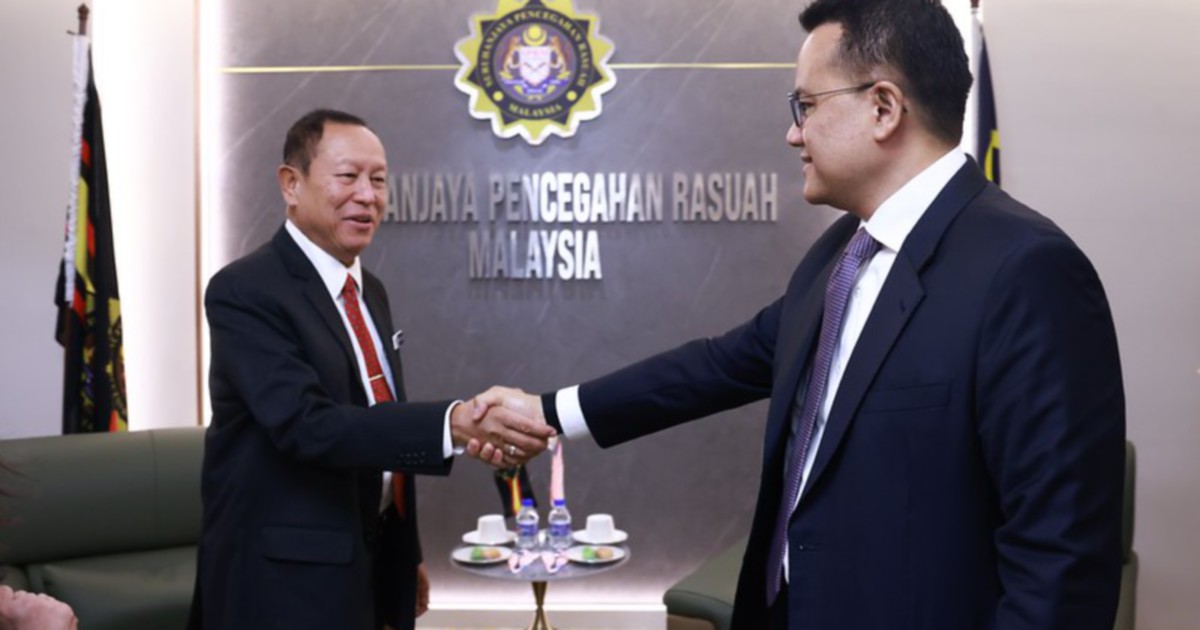
The Malaysian Anti-Corruption Commission (MACC) and Permodalan Nasional Berhad (PNB) have formally expanded their collaborative framework to fortify integrity standards and transparent management practices across Malaysia's national investment operations. Based in Putrajaya, the two institutions have recognised the mutual benefits of closer coordination in overseeing how the nation's wealth is managed and deployed, a development that carries significant implications for investor confidence and institutional accountability in Southeast Asia's third-largest economy.
This reinforced partnership represents a critical juncture in Malaysia's ongoing efforts to rebuild trust in its financial institutions and governance structures following years of high-profile corruption scandals. By establishing deeper working relationships between the corruption watchdog and one of the country's largest fund managers, authorities are signalling a commitment to preventative oversight rather than reactive investigation. PNB, which oversees substantial portions of national savings through schemes such as Amanah Saham Nasional and holds strategic stakes in major Malaysian corporations, manages assets with direct relevance to millions of ordinary Malaysians' retirement and investment portfolios.
The collaboration between these two institutions addresses a fundamental challenge in modern governance: ensuring that large institutional players operate within robust ethical frameworks. PNB's role as a custodian of public wealth makes it a natural focal point for anti-corruption efforts, particularly given the scale of assets under its stewardship. By forging closer ties with MACC, the investment manager gains access to specialised expertise in identifying and preventing corrupt practices, while simultaneously demonstrating to stakeholders and regulators that governance remains a top priority.
The deepened relationship is likely to encompass several practical dimensions. Enhanced information-sharing protocols between the two organisations would allow MACC investigators to access relevant data more efficiently when pursuing inquiries related to investment decisions or fund management. Simultaneously, PNB can benefit from MACC's advisory capacity in developing internal compliance systems, training programmes for employees, and frameworks for detecting irregular patterns in investment decisions. Such preventative measures often prove more cost-effective and reputation-protective than remedial action taken after misconduct has already occurred.
For Malaysian investors, institutional investors, and the broader financial ecosystem, this partnership carries tangible benefits. Greater transparency in how national investments are made and monitored reduces uncertainty and potential systemic risks. When fund managers operate under intensive scrutiny from dedicated anti-corruption authorities, the likelihood of misallocation of resources decreases substantially. This is particularly important given Malaysia's ongoing efforts to diversify its economy and attract international investment; foreign investors closely monitor governance standards when deciding whether to commit capital to Malaysian enterprises.
The timing of this strengthened partnership also reflects broader regional and global trends. Across Southeast Asia, several jurisdictions have experienced high-profile fund management scandals that eroded public confidence in financial institutions. By proactively enhancing governance and transparency measures, Malaysia positions itself as a jurisdiction serious about institutional accountability. This matters not only for attracting foreign direct investment but also for maintaining the continued support of domestic retail investors who entrust their savings to PNB-managed schemes.
There are implications too for how Malaysia's anti-corruption framework continues to evolve. Rather than limiting MACC's role to investigative work after breaches have occurred, this partnership exemplifies a shift towards embedded oversight. When anti-corruption bodies work intimately with major financial institutions, they can identify systemic vulnerabilities and recommend reforms before misconduct takes root. This represents a maturing approach to governance that recognises corruption prevention as an institutional responsibility rather than merely a law enforcement challenge.
The partnership also signals to employees and stakeholders within PNB that ethical conduct is non-negotiable and subject to external verification. When staff understand that their employer works closely with an independent anti-corruption authority, compliance incentives strengthen. This cultural dimension of governance—the internalisation of ethical standards across an organisation—often proves as important as formal rules and sanctions in maintaining integrity over the long term.
For the broader Southeast Asian region, Malaysia's initiative offers a template worth studying. As regional economies grow and investment funds accumulate, the challenge of maintaining governance standards intensifies. By documenting and sharing best practices emerging from the MACC-PNB collaboration, other countries might benefit from Malaysia's experience in embedding anti-corruption measures into the operations of major financial institutions.
Looking forward, the effectiveness of this partnership will ultimately be measured through concrete outcomes: reduced instances of irregularity, enhanced institutional transparency, successful identification of emerging risks, and sustained investor confidence. The two institutions will need to establish clear benchmarks for success and maintain regular communication channels to ensure the partnership delivers tangible governance improvements rather than remaining a symbolic gesture.
For Malaysian readers with retirement savings invested through PNB vehicles, this deepened oversight provides reassurance that their interests receive protection from multiple institutional angles. The MACC-PNB partnership underscores a commitment to ensuring that national wealth serves national interests rather than enriching corrupt actors. As Malaysia continues its transition towards more robust institutional governance, such collaborations represent necessary steps in rebuilding and maintaining the trust that underpins stable financial systems.

