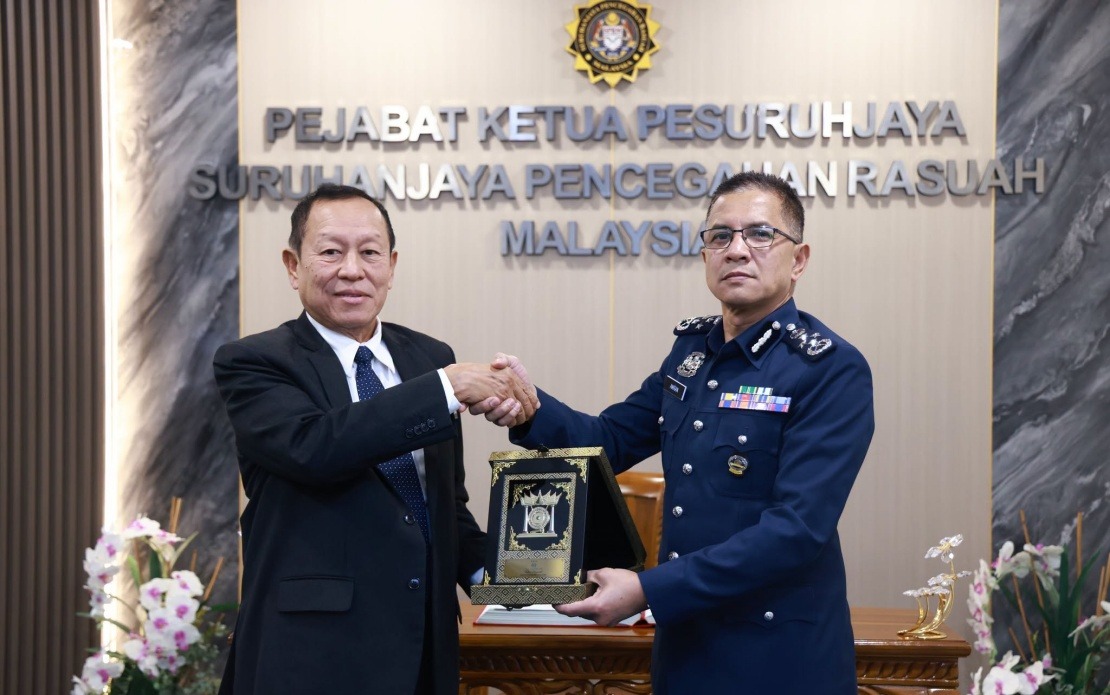
The Malaysian Anti-Corruption Commission (MACC) and the Royal Malaysian Customs Department (JKDM) are moving forward with plans to create a dedicated task force aimed at strengthening enforcement activities and revenue collection systems at Malaysia's critical maritime ports. The initiative emerged from discussions held at MACC headquarters in Putrajaya, where JKDM director-general Datuk Amran Ahmad met with MACC chief commissioner Datuk Seri Abd Halim Aman to chart a path toward enhanced operational coordination between the two agencies.
The strategic one-hour meeting represented a significant step in bridging operational gaps that have long challenged border security and fiscal integrity. Both organisations outlined their respective enforcement challenges and explored mechanisms to improve customs inspection procedures whilst tackling the bureaucratic complexities that sometimes hamper swift decision-making at entry points. The discussion extended beyond superficial coordination, diving into substantive issues that directly impact Malaysia's ability to protect its revenue base and maintain supply chain integrity.
One of the meeting's critical outcomes was a shared commitment to combat sophisticated evasion schemes that have proliferated across Malaysia's port network. JKDM officials presented evidence of well-organised criminal syndicates employing increasingly complex methods to circumvent tax obligations and import regulations. These operations typically involve the deliberate submission of falsified documentation to regulatory approvers, effectively camouflaging the true nature and value of containerised goods. Such practices represent a significant drain on government revenue and create unfair competitive advantages for dishonest traders.
Among the most troubling tactics identified during the meeting was a modus operandi involving the misrepresentation of currency values at border crossings. Individuals and networks have been caught declaring substantially lower cash amounts than the sums they actually transport into the country, a practice that undermines Malaysia's financial monitoring systems and feeds into broader money-laundering vulnerabilities. This specific issue highlights how port-level enforcement connects directly to national financial security and anti-money-laundering objectives.
The task force initiative carries particular importance for Malaysia's standing as a regional trade hub. As a crucial gateway for Southeast Asian commerce, Malaysia's ports handle millions of containers annually, creating inevitable vulnerabilities that organised criminal networks actively exploit. Without coordinated inter-agency responses, revenue leakage accelerates, legitimate businesses face unfair competition, and the nation's fiscal capacity weakens. The MACC-JKDM partnership directly addresses these systemic pressures by combining investigative expertise with customs authority.
Another focal point of the meeting involved container management protocols under JKDM's purview across the nation's port facilities. Officials discussed strategies to identify and seal loopholes in existing oversight mechanisms, recognising that even well-intentioned systems can be compromised through gaps in information-sharing or inconsistent application of procedures. The establishment of a formalised task force represents an attempt to standardise best practices and ensure consistent enforcement across all major ports.
MACC's involvement brings an important dimension to this collaborative framework. Beyond tax collection enforcement, the commission's primary mandate focuses on cultivating systemic integrity and combating corruption within government institutions themselves. By engaging JKDM personnel through anti-corruption awareness programmes and integrity-building initiatives, MACC seeks to strengthen the institutional culture from within, addressing not only external smuggling threats but also potential corruption vulnerabilities among officials processing customs declarations and approvals.
Datuk Amran Ahmad signalled JKDM's genuine enthusiasm for deepening this relationship, explicitly welcoming MACC's expertise in fostering integrity culture within the customs agency. This openness suggests a recognition that sustained enforcement gains require not merely enhanced procedures but also attitudinal shifts among personnel responsible for implementing those procedures. Corruption and revenue leakage often intersect; addressing both simultaneously requires the complementary strengths of both organisations.
The participation of senior officials from both agencies—including MACC's Investigation Division senior director Datuk Mohd Hafaz Nazar and JKDM's Integrity branch head Azian Umar—underscores the seriousness with which both organisations view this initiative. The presence of leadership figures responsible for investigations and integrity respectively indicates that the task force will likely operate with substantive investigative authority rather than serving as a merely consultative body.
For Malaysian stakeholders, this development offers encouragement that border vulnerabilities receive sustained high-level attention. Traders and logistics providers operating legitimately within customs regulations should benefit from a more consistent and professionally administered enforcement environment. The crackdown on sophisticated evasion schemes creates a more level playing field and protects honest businesses from undercutting by smuggling operations.
Regionally, Malaysia's demonstrated commitment to strengthening port enforcement carries implications for broader Southeast Asian supply chain security. As the region deepens economic integration and trade volumes increase, individual nations' commitment to border integrity directly affects neighbouring countries' exposure to transnational smuggling networks. Malaysia's initiative may encourage similar coordination frameworks among other ASEAN members.
The task force represents more than administrative efficiency; it signals that Malaysia recognises port security and revenue protection as interconnected challenges requiring sophisticated, coordinated responses. By combining MACC's anti-corruption expertise with JKDM's operational authority at borders, the country positions itself to more effectively counter the organised networks that exploit maritime gateways. Success will depend on consistent resource allocation, ongoing inter-agency trust-building, and sustained political commitment to implementation beyond the announcement phase.

