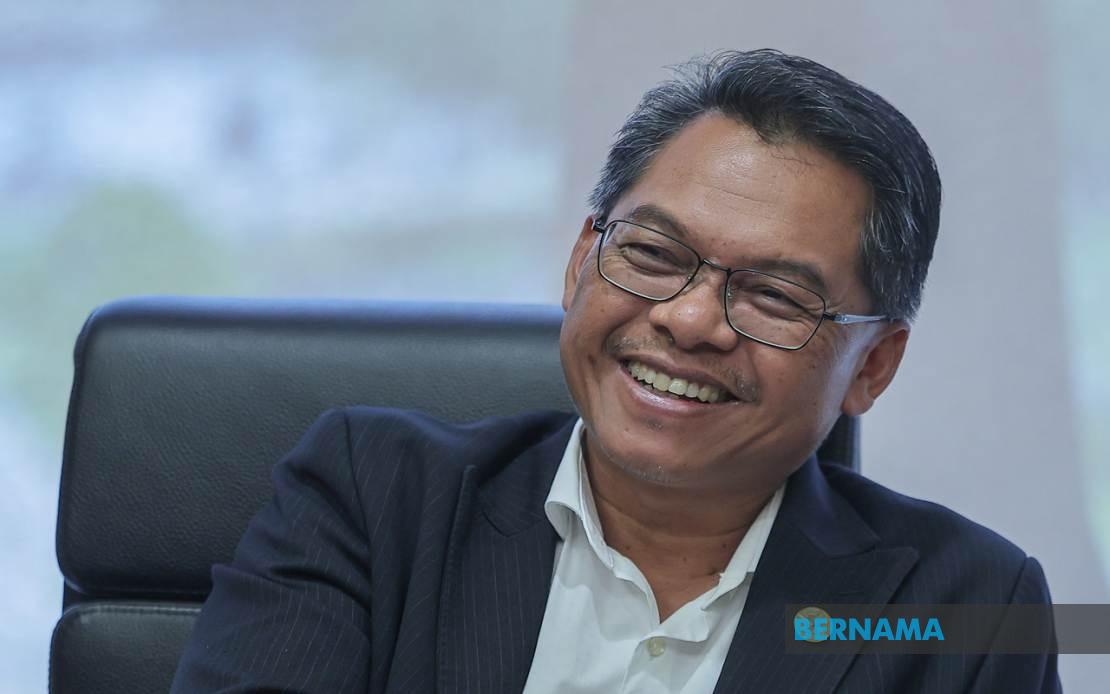
The Technical Committee overseeing implementation of the Malaysia Agreement 1963 has issued a directive requiring immediate action from federal ministries and agencies to resolve longstanding outstanding matters that have delayed progress on the historic accord between Peninsular Malaysia, Sabah, and Sarawak. The instruction came during a meeting in Putrajaya chaired by Datuk Mustapha Sakmud, the Minister in the Prime Minister's Department responsible for Sabah and Sarawak affairs, as the committee prepared briefing materials for Prime Minister Datuk Seri Anwar Ibrahim's scheduled meeting on the matter next month.
The MA63 Implementation Action Council (MTPMA63) structure has emerged as the primary institutional mechanism for managing negotiations and execution of the sprawling agreement, which underpins the constitutional relationship between the federal centre and the two East Malaysian states. The Technical Committee's latest directive reflects growing urgency within government to demonstrate tangible progress on commitments made when the MADANI administration took office, particularly given mounting expectations among Sabahan and Sarawakian citizens who have long advocated for fuller realisation of the agreement's provisions.
During the meeting, committee members conducted a comprehensive review of implementation status across multiple MA63 portfolios and examined progress made in addressing various stalled matters. This stocktaking exercise serves a dual purpose: it identifies which issues remain tractable and which may require political-level intervention, while simultaneously preparing the Prime Minister with detailed briefing materials ahead of his involvement. The approach signals that the federal government views MA63 implementation as sufficiently complex and high-stakes to require hands-on engagement from the country's chief executive.
Several strategic initiatives received explicit attention from the committee, reflecting the breadth of MA63's scope. The Borneonisation agenda—which aims to ensure that recruitment and advancement in the public service reflect the demographic composition of Sabah and Sarawak—has become increasingly visible in recent policy discussions. Simultaneously, the committee focused on healthcare equity, acknowledging persistent service gaps between East Malaysia and Peninsular Malaysia that have generated public frustration. Educational development in both states also featured prominently, recognising that human capital formation remains central to long-term economic and social progress in the region.
Minister Mustapha emphasised that collaborative problem-solving through working committees and technical-level engagement has yielded measurable results, provided that all parties operate within a framework emphasising mutual respect and recognition of legitimate federal and state interests. This framing carries significance, as it implicitly acknowledges that federal-state relations under MA63 have historically been marked by considerable friction and periodic breakdowns in trust. By highlighting consensus-based progress, the government seeks to reinforce a narrative of institutional maturation and improved governance.
Two concrete achievements were cited as evidence of MADANI government commitment to MA63 fulfilment. Sabah's Special Grant under Article 112D of the Federal Constitution has increased to RM1.5 billion in the current fiscal year, representing a material boost to state revenues and reflecting federal budgetary prioritisation of East Malaysian concerns. This financial commitment carries both symbolic and practical weight, as Sabah has long contended that federal resource allocation failed to match constitutional promises made in 1963. Similarly, the successful transfer of Bintulu Port to Sarawak government control, completed on July 21, represents successful implementation of a long-contested asset dispute that had generated considerable state-level grievance.
These achievements assume particular importance given their visibility to publics in both East Malaysian states. While technical MA63 matters often operate beneath the radar of mainstream political awareness, tangible outcomes such as increased grants and asset transfers resonate with ordinary citizens and state-level political leadership. By securing such wins ahead of the Prime Minister's engagement, the committee has positioned the federal government to demonstrate substantive rather than merely rhetorical commitment to the agreement.
The timing of this push reflects broader strategic calculations within the MADANI administration. Sabah and Sarawak remain electorally significant, and relations with these states carry implications extending beyond domestic federal-state dynamics. Regional stability in Southeast Asia is increasingly bound up with the internal cohesion of major regional economies, and Malaysia's ability to manage constitutional federalism through constructive engagement with East Malaysian governments sends signals about institutional robustness and political maturity.
Implementation challenges have historically stemmed from several sources: disagreements over constitutional interpretation, disputes regarding asset boundaries and revenue allocation, turf conflicts among federal and state bureaucracies, and the diffuse institutional responsibility for driving reform. The Technical Committee's current directive implicitly acknowledges these persistent obstacles by insisting that all ministries and agencies prioritise resolution. Without such explicit pressure from high levels, bureaucratic inertia and jurisdictional disputes tend to perpetuate delays indefinitely.
Looking forward, the Prime Minister's planned August meeting will likely determine whether the technical committee's directive translates into accelerated progress or merely confirms the continued salience of particular stalled matters. The meeting offers an opportunity to break political logjams that technical-level committees cannot resolve independently, potentially unblocking issues where constitutional interpretation disputes, budget allocations, or inter-agency jurisdictional questions have generated genuine impasse. The committee's work product will be crucial in enabling the Prime Minister to make informed decisions about resource allocation and policy direction.
The renewed emphasis on MA63 implementation also reflects changing domestic political terrain. With federal elections potentially not far distant, demonstrating progress on commitments to East Malaysian states carries strategic weight in securing continued electoral support. Beyond electoral calculus, however, genuine unresolved MA63 issues risk becoming flashpoints for periodic political instability if ignored indefinitely. The current push represents a pragmatic recognition that proactive resolution serves both the immediate interests of the MADANI government and the longer-term stability of Malaysian federalism.
For observers in Sabah and Sarawak, the committee's directive and Minister Mustapha's statement offer both encouragement and the need for vigilance. While renewed federal engagement is welcome, implementation records under previous administrations have often fallen short of initial commitments. The coming months will reveal whether current momentum translates into genuine structural change in federal-state relations or represents another cycle of promises followed by incremental progress and renewed frustration.

