The luxury fashion industry has executed a remarkable about-face on one of its foundational principles. For generations, impeccable tailoring, pristine finishes and flawless condition have defined high style, with even the smallest blemish viewed as a mark of inferior craftsmanship. Yet today's most coveted designer pieces deliberately mock that heritage, arriving with intentional tears, artificial aging, visible stains and strategic distressing that would have horrified fashion purists just a decade ago. What was once considered damage has become desirable, transforming the very definition of luxury in the process.
This shift manifests across the industry's most prestigious houses. Chanel's legendary 2.55 handbag, an icon of refined elegance since 1955, now appears warped and compressed as though subjected to deliberate abuse. Prada releases garments featuring what resembles age-related discolouration, fabricated to evoke garments rescued from forgotten storage. Coach capitalised on this momentum last year with its "Loved Leather" collection, a euphemism for pre-scuffed accessories designed to appear well-travelled and weathered. The commercial success proved remarkable, prompting the brand to expand the line this season with additional colour variations. These items command waiting lists and maintain premium pricing despite their deliberately compromised appearance, suggesting consumers actively value the aesthetic of deterioration.
The implications extend beyond mere fashion whimsy. This trend reflects broader consumer attitudes toward authenticity, sustainability and the rejection of performative perfection. In an era where social media documentation of unblemished lives has become exhausting, damaged clothing signals comfort with imperfection and lived experience. The worn aesthetic communicates that items have been genuinely used and beloved rather than pristine museum pieces. For affluent consumers, purchasing pre-damaged designer goods paradoxically signals both wealth—the ability to pay premium prices for items that appear valueless—and authenticity, suggesting they reject the polished facades that defined their parents' generation's relationship with luxury.
Ralph Lauren's Spring 2027 offerings exemplify how this trend disrupts traditional style hierarchies. The designer pairs deliberately ripped denim with formal tailoring, combining a properly constructed shirt, necktie, waistcoat and blazer with strategically torn jeans and pristine white-and-green penny loafers. This juxtaposition creates what might be termed "subversively traditional" dressing, where classic menswear elements clash with deliberately casual deterioration. The combination requires confidence and disposable income to execute, making it a status marker in itself. Only those wealthy enough to purchase multiple designer pieces can afford the luxury of intentional contradiction.
Burberry's contribution to this conversation offers a different interpretation through its stonewashed pink denim ensemble. The jeans-and-jacket combination, layered with a V-neck argyle sweater, creates what the brand terms "prep-punk," deliberately mashing contradictory aesthetic traditions. The faded appearance suggests hours of wear and multiple washing cycles, yet the garment arrived this way from the atelier. Sandro similarly embraces the faded denim aesthetic through a cropped vest and shorts pairing enhanced with rustic metallic studs and brown suede trimming, creating what the brand describes as "cowgirl cool." Each designer interprets the trend differently, suggesting this is not passing novelty but rather a fundamental recalibration of how luxury communicates status and desirability.
Louis Vuitton's approach emphasises raw, unfinished aesthetics through a deliberately distressed denim jacket artfully splattered with earth-toned marks and sandy residue. The aesthetic evokes garments rescued from outdoor adversity rather than designer creation, yet the construction, fit and hardware remain meticulously controlled. This paradox—technical perfection executed to appear technically flawed—defines the trend's essential contradiction. Acme Studios pushes further with jeans coated in a mud-like patina, paired with deliberately crumpled slim-fit denim, demonstrating how multiple layers of artificial aging can be combined without appearing accidental.
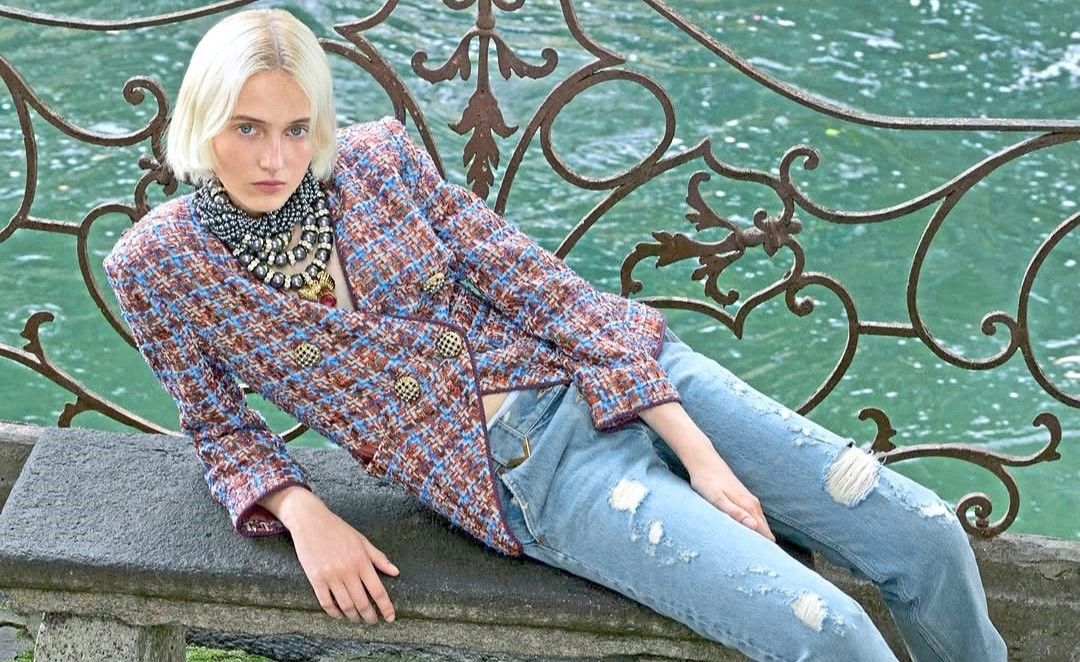
Valentino's Cruise 2027 lineup encapsulates the ultimate contradiction within this trend. The Italian house, historically synonymous with refined elegance and unwavering sophistication, now presents tweed jackets with gold buttons paired against intentionally shredded jeans. When topped with multi-strand black pearl necklaces and golden studded heels, the ensemble becomes a deliberate collision between formal refinement and casual destruction. This combination proves paradoxically that unlimited resources need not produce visual harmony, and that contradiction itself can signal confidence and taste. The message communicated is that true luxury allows for statements that would appear chaotic or tasteless in less capable hands.
For Malaysian and Southeast Asian consumers, this trend presents interesting questions about aspiration and authenticity. The region has traditionally embraced perfection and prosperity signalling through pristine appearance and meticulous presentation, making this Western aesthetic reversal potentially alienating. However, younger consumers increasingly operate within global fashion conversations and may view the trend as sophisticated rejection of their parents' values. The phenomenon also raises sustainability questions: if designer items are sold pre-damaged at premium prices, what does this communicate about disposable fashion and environmental responsibility? The wealthy appear to purchase artificial deterioration while genuine worn garments possessed by lower-income consumers might be viewed as unfashionable by those same standards.
The economics of this trend warrant deeper examination. Brands are essentially charging luxury prices for items with visible defects, a reversal of traditional quality-based pricing models. This works only because the aesthetic itself has become desirable and because purchasing these items signals participation in elite cultural conversations about taste and authenticity. It also suggests confidence among luxury brands that their customer base prioritises belonging and trend-following over actual quality assessment. Whether this represents genuine evolution in aesthetic values or merely clever marketing that exploits consumer desire to be perceived as sophisticated remains debatable.
This trend ultimately exposes how luxury functions in contemporary society. The intentional damage and artificial aging demonstrate that high fashion can transform literally any aesthetic—no matter how contradictory to its own history—into desirability through narrative and exclusivity. The trend will likely persist as long as luxury brands can convince affluent consumers that wearing damaged, stained and aged-looking garments communicates sophistication and authenticity. For fashion observers across Southeast Asia, it serves as a reminder that today's must-have status symbols often mock yesterday's fundamental principles, and that within exclusive consumer circles, the rules change with remarkable speed and without warning.

