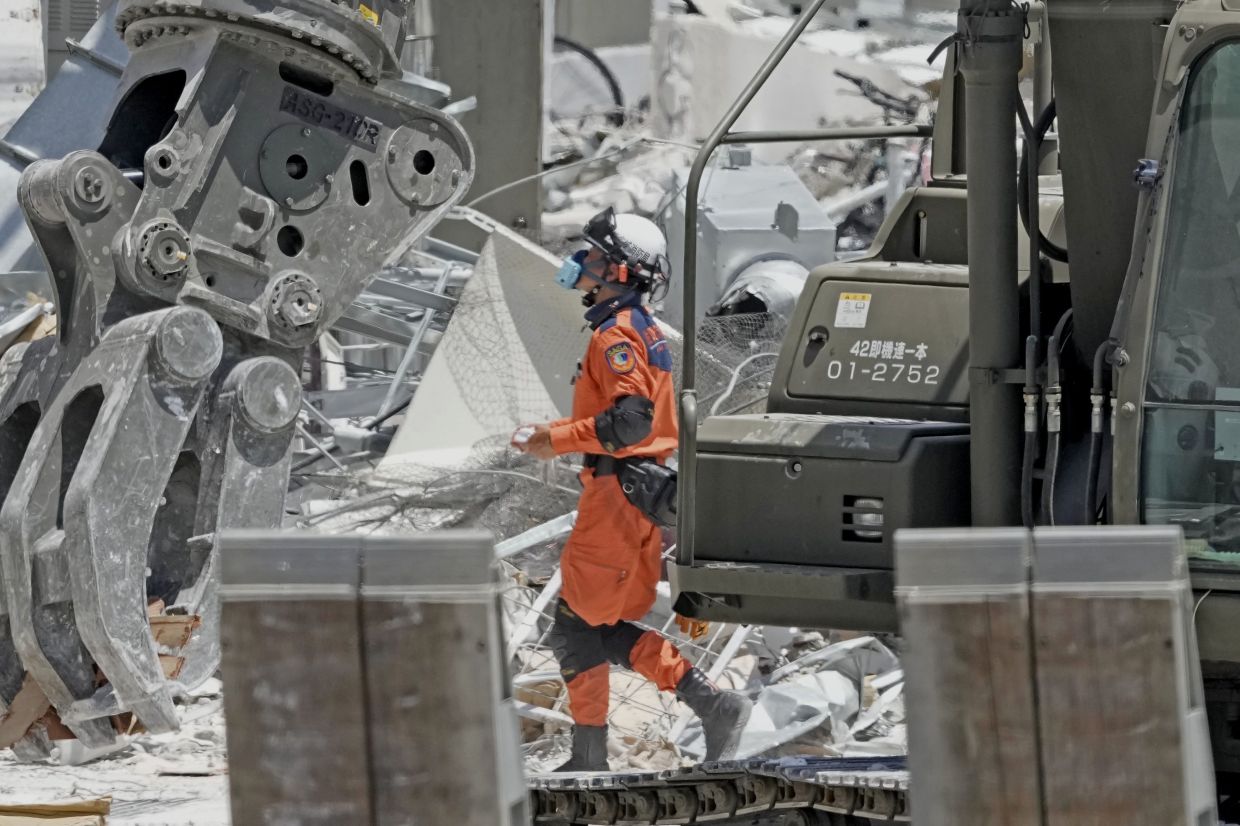
Investigators in Japan have concluded that a liquefied petroleum gas leak was the probable cause of a devastating explosion at a major shopping mall in Kumamoto Prefecture. The government's Economy, Trade and Industry Ministry announced the preliminary finding on August 5, providing answers about an incident that claimed three lives and raised serious questions about building safety standards in Japan. The blast occurred at Aeon Mall Kumamoto approximately 80 minutes after an earthquake struck the region on July 28, suggesting a delayed chain reaction between the seismic event and the catastrophic explosion.
The explosion devastated the central section of the shopping mall's second floor on its south side at around 5.50pm local time. Three employees working at stores within the facility were killed in the blast, while the structural damage highlighted the severe force released when the LPG accumulated and ignited. Search and rescue teams noted the distinct smell of gas permeating the building, a telltale sign that prompted authorities to focus their investigation on the facility's gas supply systems.
Aeon, the mall's operator, operates an extensive network of liquefied petroleum gas systems throughout the facility to support its commercial tenants. Restaurants positioned on the north side of the first floor rely on LPG for cooking operations, whilst a food court on the second floor's east side uses the same fuel source. Beyond culinary applications, the gas also powers the mall's air conditioning infrastructure, demonstrating how integral LPG is to the facility's daily operations. This multi-purpose dependency on a single fuel source, whilst common in Japanese commercial buildings, created vulnerability when the supply chain was disrupted.
The facility stores a substantial quantity of LPG—approximately 9,367 kilograms—in a dedicated storage tank situated on the mall premises. Gas from this reservoir travels through an underground pipeline system before distributing to various locations throughout the building via an intricate web of pipes running through floors and walls. This extensive piping network, whilst designed for safe delivery, became the conduit through which the dangerous accumulation eventually occurred.
Investigators believe the mechanism of the explosion centred on gas leakage from the pipe system itself rather than from the main storage tank. When the July 28 earthquake struck, it may have caused damage to vulnerable sections of the internal piping network—connections, joints, or wall-embedded sections—that were not immediately apparent. Unlike the main storage tank, which authorities confirmed contained gas at near-normal levels following the incident, the distributed piping system throughout the mall's structure offered multiple potential failure points where leaks could develop undetected.
The critical factor in the catastrophe appears to be the accumulation and concentration of escaped LPG gas within enclosed spaces inside the mall. As gas seeped from damaged pipes over approximately 80 minutes, it pooled in poorly ventilated areas and cavities within the building's infrastructure. Without proper dispersal through functioning ventilation systems—possibly also affected by the earthquake—the gas achieved a combustible concentration. When this accumulated gas encountered an ignition source, whether a spark from electrical systems, a flame from cooking equipment, or another heat source, the resulting explosion released tremendous force.
The investigation into the precise cause of the leak remains ongoing, with authorities examining the structural integrity of the piping network and assessing whether the earthquake damage was severe enough to compromise pipe connections and seals. Engineers are also reviewing whether the building's safety systems, particularly gas leak detection and alarm mechanisms, functioned properly or may have been disabled by the earthquake. These details are crucial not only for understanding this specific incident but for improving safety protocols across Japan's retail infrastructure.
The Kumamoto incident carries significant implications for Malaysia and the wider Southeast Asian region, where many shopping malls and commercial complexes similarly utilise LPG for heating and cooking purposes. The disaster underscores the necessity for robust maintenance protocols, regular inspection schedules, and modern leak detection systems in facilities storing and distributing flammable gases. In an era of increasing seismic activity and climate-related extreme weather events across Southeast Asia, facility managers must ensure their gas distribution systems can withstand environmental shocks without developing dangerous leaks.
The case also highlights the importance of comprehensive building safety standards and enforcement mechanisms. Japanese regulations governing LPG use are among the world's strictest, yet this tragedy occurred despite those safeguards. For Malaysian and Southeast Asian nations developing or updating their own building codes, the Kumamoto explosion provides valuable lessons about the need for redundant safety systems, including automatic shut-off valves, enhanced ventilation, and advanced monitoring technology that can detect minute gas concentrations before they reach dangerous levels.
Authorities in Kumamoto and nationwide are now reviewing similar facilities throughout Japan to identify potential vulnerabilities in their LPG systems. Building owners and operators are being urged to conduct thorough inspections and implement additional safety measures, particularly in older facilities where piping may have degraded. The ministry's investigation, whilst preliminary, represents a significant step toward preventing similar tragedies and ensuring that the public can safely access shopping malls and other commercial establishments without fear of hidden dangers.
As investigations continue, the focus will shift toward accountability and prevention. Regulatory agencies will likely introduce stricter requirements for gas system maintenance, more frequent inspections, and improved training for facility staff in hazard recognition. The goal is to transform the lessons learned from this tragedy into practical safety improvements that protect workers and customers across Japan and provide a template for safer practices throughout the region.

