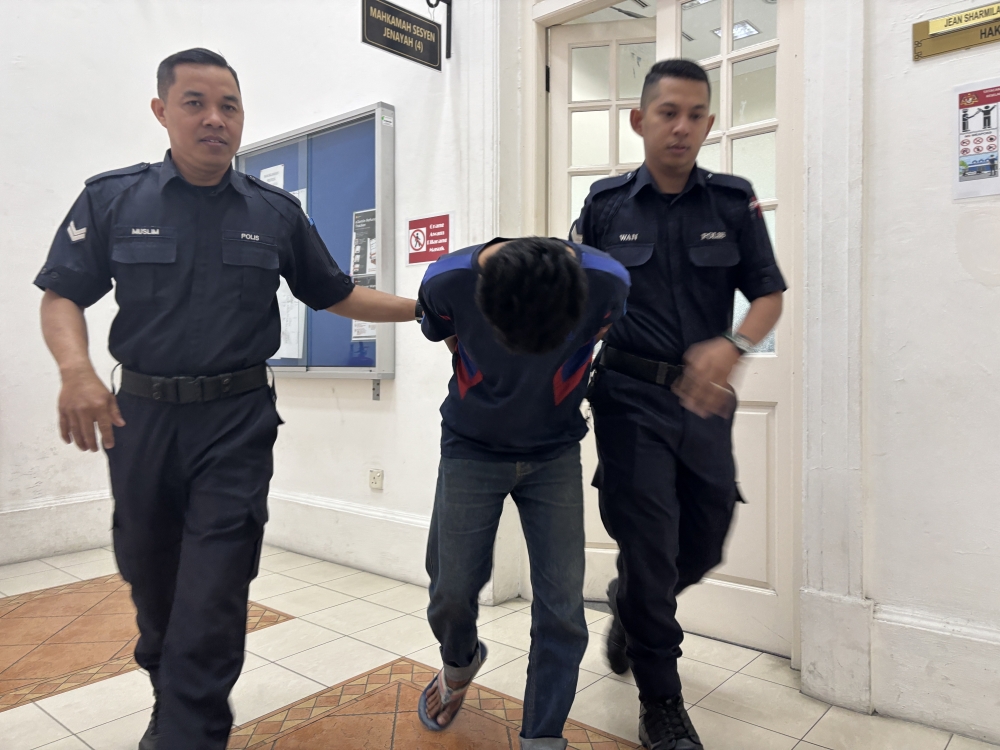
A 45-year-old lorry driver was brought before the Sessions Court in Ipoh on Tuesday to face serious criminal charges stemming from alleged sexual abuse within his family. The defendant entered the dock to address 21 counts of sexual assault, with the charges centring on two minor victims in Seri Iskandar. The proceedings mark a significant development in what authorities describe as a lengthy pattern of abuse within a household setting, raising concerns about family safety and child protection protocols in residential areas across Perak.
The charges preferred against the accused span a considerable timeframe, indicating that authorities suspect repeated offences rather than isolated incidents. Court documents indicate that the alleged assaults targeted two daughters, though the specific ages of the victims and the precise dates of each alleged incident remain subject to legal restrictions. Such cases involving minors are typically handled with considerable judicial discretion to protect the identities and privacy of vulnerable persons involved.
Seri Iskandar, a suburban area within Perak's Muallim constituency, has witnessed growing residential development in recent years. The community comprises primarily working-class families, many of whom work in logistics, manufacturing, and service sectors. Incidents of this magnitude in such neighbourhoods often trigger heightened awareness among residents regarding household safety and the reporting mechanisms available to those experiencing abuse or exploitation.
The defendant's occupation as a lorry driver suggests he may have spent considerable time away from home due to work commitments. This circumstance raises questions about supervisory presence and whether extended absence from family oversight created conditions enabling such alleged conduct to continue undetected for an extended period. Investigators will likely have examined communications records, movement data, and household routines as part of their case preparation.
Malaysia's legal framework provides robust protections for children through the Sexual Offences Against Children Act and related statutes. The Sessions Court jurisdiction indicates charges are serious enough to warrant trial before a judge, with sentencing potential extending to significant custodial terms if conviction is secured. The prosecution must establish guilt beyond reasonable doubt, requiring corroborating evidence and credible testimony from victims or witnesses.
Child sexual abuse cases frequently present evidentiary challenges, as they often occur in private settings with minimal witnesses. Authorities in Perak have invested in specialised training for investigators and child-trauma counsellors to handle such cases sensitively whilst maintaining prosecutorial rigor. Psychological assessments of young victims and forensic evidence collection protocols play crucial roles in building cases that withstand judicial scrutiny.
The timing of the charges suggests that authorities became aware of the alleged offences through a complaint mechanism—possibly from the daughters themselves, school personnel, healthcare providers, or other family members. Malaysian child protection agencies collaborate with police to investigate reports through the Federal-level Crimes Investigation Department, which maintains specialised units focusing on crimes against children and family violence.
For Malaysian readers and Southeast Asian observers, such cases underline ongoing challenges in family protection despite legislative frameworks and awareness campaigns. Rural and suburban communities sometimes experience lower reporting rates for domestic crimes due to cultural factors, limited access to support services, or fear of family disintegration. Perak authorities have established helplines and counselling centres, though accessibility remains uneven across different districts.
The defendant's presumption of innocence remains fundamental until evidence is presented in trial proceedings. The court will examine testimony, medical evidence, and circumstantial factors before determining culpability. Defence counsel will have opportunity to challenge prosecution witnesses and present alternative explanations for circumstances alleged by prosecutors, ensuring adversarial balance in the judicial process.
This case reflects broader patterns visible across Malaysia, where reported incidents of child sexual abuse have increased following greater public awareness and improved reporting mechanisms. Whilst heightened reporting may indicate improved identification rather than escalating prevalence, it nevertheless demonstrates society's growing willingness to confront such crimes previously shrouded in silence.
The Perak Sessions Court will schedule subsequent mentions to allow proper case management and ensure both prosecution and defence have adequate preparation time. Trial dates will be fixed only after all preliminary matters are resolved, a process typically requiring several months for cases of this complexity and sensitivity.

