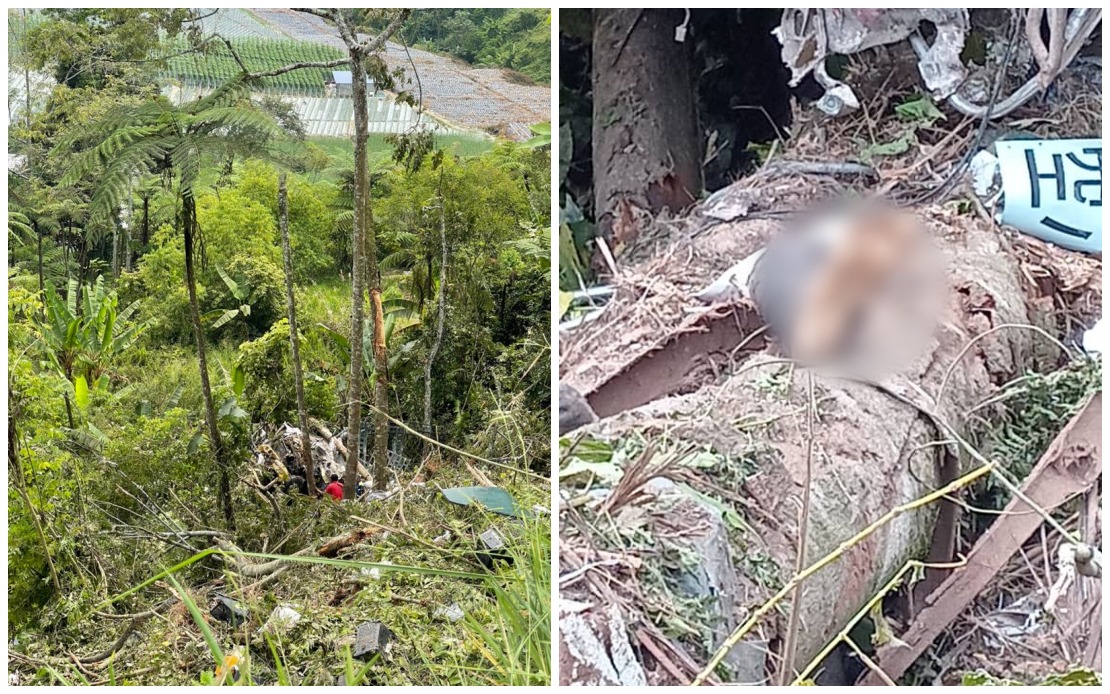
A fatal accident in the Gua Musang district has claimed the life of a lorry driver after his vehicle careered off a road and descended into a deep ravine near the Pos Blau-Lojing Bridge. The 10-tonne lorry, carrying what preliminary reports suggest was an orchard-related cargo, plummeted approximately 150 feet into the ravine, trapping the driver beneath fallen debris at the crash site.
The incident occurred during the afternoon hours, with emergency services receiving notification at 11.58 am. Despite the prompt alert, the remote location of the accident—situated almost 98 kilometres from Gua Musang town—presented significant logistical challenges for rescue personnel. The Gua Musang Fire and Rescue Station dispatched a firefighting team that arrived at the scene only at 1.59 pm, meaning nearly three hours elapsed between the initial distress call and arrival of professional rescue resources.
According to Asst Senior Fire Supt Muhammad Azrul Izzham Zulkifli, the chief of Gua Musang Fire and Rescue Station, responding firefighters discovered the lorry had come to rest deep within the ravine adjacent to an orchard area. The initial intelligence gathered from police investigations indicated that the victim, a man in his 40s, had become trapped beneath a substantial tree trunk that had either fallen during the crash or was already present at the impact site. The exact circumstances of how the tree came to pin the driver remain part of the ongoing investigation.
Rescue operations proved technically demanding due to the depth of the ravine and the weight of the debris. Firefighters had to undertake careful removal of the tree trunk to extricate the trapped driver from the wreckage. However, these efforts, though swift and professional, could not prevent a fatal outcome. Upon extraction and examination by emergency responders, the driver was pronounced dead at the scene. The delay in reaching the remote location, compounded by the severity of injuries sustained in the fall, likely contributed to the tragic result.
The body of the deceased was subsequently transferred to police custody for identification procedures and post-mortem examination. Gua Musang district police chief Supt Sik Choon Foo acknowledged the incident and confirmed that law enforcement personnel were conducting a comprehensive investigation to establish the root cause of the accident. Police are examining whether mechanical failure, adverse road conditions, driver error, or other factors contributed to the lorry leaving the roadway.
The Pos Blau-Lojing area, situated in the Gua Musang district of Kelantan, is a rural region with limited emergency infrastructure. Such incidents highlight the vulnerability of drivers operating in isolated zones where response times for emergency services can stretch significantly. The 98-kilometre distance that rescue teams had to traverse underscores how geography and infrastructure development affect emergency response capabilities in Malaysia's interior regions.
This tragedy raises important questions about road safety protocols in rural commercial transport corridors. Lorries operating in remote areas often traverse challenging terrain, and fatigue, mechanical maintenance, and road conditions become amplified risk factors. The investigation that police are undertaking may provide insights into whether the vehicle was subject to proper maintenance checks, whether the driver had adequate rest before commencing the journey, and whether weather or road surface conditions played any role in the accident.
Accidents involving heavy vehicles in Malaysia continue to be a concern for transport authorities. The relatively high fatality rate associated with lorry incidents—particularly when vehicles leave roadways and plunge into ravines or waterways—has prompted ongoing discussions about enforcement of vehicle safety standards, driver training and certification requirements, and road infrastructure improvements in high-risk areas.
The incident also reflects broader challenges in emergency response capacity across Malaysia's more remote districts. While the Gua Musang Fire and Rescue Station responded professionally and expeditiously given the distance involved, the three-hour delay between incident occurrence and rescue team arrival demonstrates how geographical constraints can impact outcomes in life-threatening situations. Stakeholders including district and state authorities may need to evaluate whether additional emergency facilities, helicopter rescue capabilities, or pre-positioned rescue equipment could enhance response times in future incidents across the Gua Musang region.

