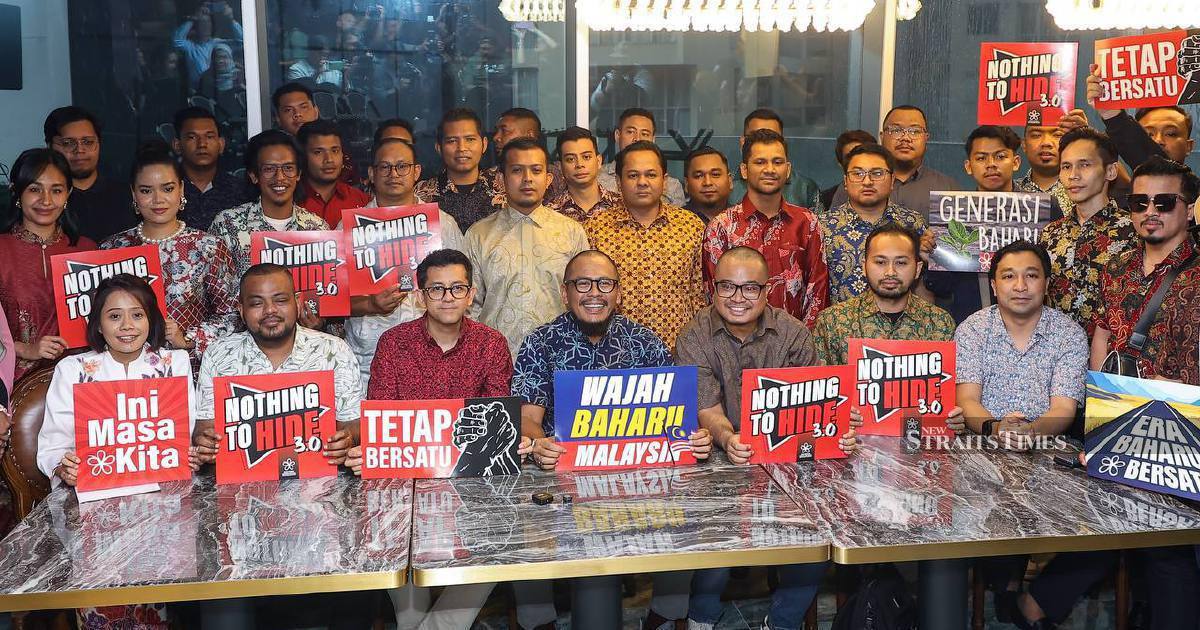
Perikatan Nasional continues to navigate turbulent political waters as one of its senior figures attempts to navigate the deepening rupture between two of its core component parties. Kota Siputeh assemblyman Mohd Ashraf Mustaqim Abdul Munir has signalled renewed optimism that the relationship between PAS and Bersatu, long considered the backbone of the coalition, remains salvageable despite mounting tensions that have threatened the partnership's stability in recent weeks.
The fractures within Perikatan Nasional have become increasingly evident as both parties engage in public disputes over policy direction, resource allocation, and strategic positioning within the federal government and state-level administrations. These disagreements have cast doubt over whether the coalition can maintain the unified front necessary to sustain its political dominance, particularly as internal rivalries and competing ambitions threaten to destabilise arrangements across multiple state governments where both parties hold significant influence.
Ashraf's measured assessment reflects a broader attempt within Bersatu's leadership to downplay the severity of the rupture, presenting the current standoff as a temporary disagreement rather than a fundamental breakdown. His comparison of the relationship to a married couple experiencing domestic discord carries symbolic weight, suggesting that despite surface-level animosity, underlying institutional bonds and shared political interests should compel both parties toward reconciliation rather than separation.
The timing of his remarks proves significant, coming amid a period when Perikatan Nasional's political calculations face increased complexity. The coalition's performance in recent by-elections and state-level political manoeuvring has raised questions about whether internal divisions are eroding its electoral appeal and governance capacity. Both PAS and Bersatu maintain substantial parliamentary and state representation, making their continued partnership essential for sustaining the government's legislative majority and policy agenda.
Historically, Perikatan Nasional emerged as a political vehicle following broader realignments that shifted Malaysia's partisan landscape. The partnership between PAS and Bersatu has never existed without underlying tensions rooted in differing ideological emphases, organisational cultures, and leadership personalities. While both parties share broadly similar conservative and Malay-Muslim communitarian orientations, their approaches to governance, religious interpretation, and secular-religious balance have frequently generated friction that threatens cohesion.
The current tensions appear to stem from accumulated grievances regarding power-sharing arrangements, control over ministerial portfolios, and divergent positions on several policy questions that span religious affairs, education, and economic development. Additionally, competition for grassroots support in overlapping constituencies has intensified factional pressures within both organisations, making unified decision-making increasingly difficult at ground level even when senior leadership attempts consensus.
For Malaysian political observers, the stability of Perikatan Nasional carries implications extending well beyond internal coalition management. The bloc's capacity to deliver effective governance, maintain parliamentary discipline, and present a coherent policy platform directly affects the nation's political trajectory and the viability of alternative coalitions. Should the partnership genuinely deteriorate into irreparable division, the resulting institutional instability could reshape Malaysia's entire party political system and electoral prospects for subsequent national contests.
Ashraf's optimism, however, must contend with substantial practical obstacles. Previous attempted reconciliations between Perikatan Nasional partners have achieved only temporary truces that mask continuing competition rather than resolving underlying conflicts. The structural incentives driving both parties toward continued rivalry—competition for voter loyalty, resource scarcity, and leadership succession pressures—remain largely unchanged regardless of temporary diplomatic gestures or public expressions of goodwill from individual leaders.
Statewide considerations particularly complicate reconciliation efforts. Several Malaysian states witness direct PAS-Bersatu competition for political dominance and resource control, with both parties occupying ministerial positions and seeking to expand their respective influence within state administrations. These ground-level rivalries generate pressures that transcend national-level coalition management and frequently undermine attempts at central coordination.
Yet dismissing Ashraf's assessment entirely risks overlooking genuine shared interests that might yet facilitate reconciliation. Both PAS and Bersatu depend on Perikatan Nasional's continued political viability for their own electoral prospects and governance opportunities. Should the coalition collapse entirely, both organisations would face substantially diminished political leverage and reduced access to federal patronage networks and resources essential for sustaining their organisational infrastructure and political relevance.
The coming weeks will prove critical in determining whether Ashraf's optimism reflects genuine prospects for renewal or merely represents wishful thinking from a leader hopeful that public expressions of confidence might encourage reluctant partners toward compromise. The coalition's ability to manage upcoming parliamentary sessions, deliver on policy commitments, and present unified messaging during electoral contests will test whether institutional pressures toward unity ultimately overcome the competitive dynamics driving division.

