The border town of Serian is grappling with hazardous air quality, yet its residents and business operators are refusing to let the pollution crisis completely halt their economic activities. With the Air Pollutant Index reaching 178 as of mid-afternoon—well into the unhealthy range according to the Air Pollutant Index Management System—the community faces a difficult balancing act between earning a livelihood and protecting their health. The situation underscores how Southeast Asian towns remain vulnerable to transboundary haze episodes that disrupt normal functioning while residents have few options but to adapt and persist.
The morning survey of Serian Tamu Market revealed a resilient but visibly cautious business environment. Several vendors had adopted protective masks as they served the trickle of customers who ventured out despite the poor air quality. The marketplace, typically a bustling hub of commerce, showed signs of strain as consumer behaviour shifted in response to the health hazard. This pattern reflects a broader economic reality across haze-affected regions: when air quality deteriorates, discretionary spending drops sharply and foot traffic declines, creating immediate pressures on small traders who operate on thin margins.
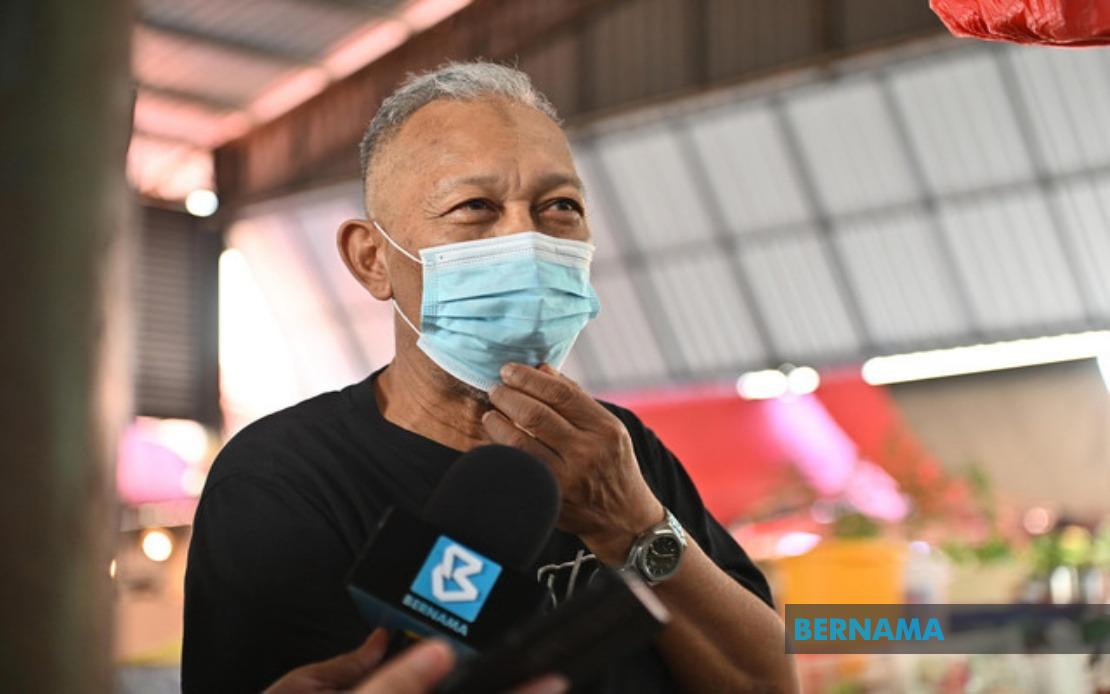
Asmail Kipli, a 62-year-old vegetable vendor from Gedong, exemplifies the difficult position facing informal sector workers. He continues manning his stall, driven by the simple economic necessity of meeting his rental obligations, yet he has witnessed a stark 30 percent erosion in both customer numbers and daily income over the preceding days. His decision to remain open despite these losses reflects the precarious situation of street traders and market stallholders throughout Malaysia who lack alternative income sources or savings buffers. For workers like Kipli, closing temporarily during a haze episode means immediate financial hardship, even as staying open means exposure to air quality classified as genuinely harmful to human health.
The psychological and behavioural shifts triggered by the haze extend beyond the marketplace. Residents across Serian have become noticeably more restrictive about their outdoor movements, emerging only when necessity dictates. This self-imposed lockdown represents an informal response to air quality warnings, as people make individual risk assessments about acceptable exposure levels. Such behavioural changes ripple through the local economy—fewer shopping trips, reduced social activities, and curtailed outdoor work collectively reduce business opportunities and suppress economic activity across multiple sectors simultaneously.
Fruit seller Marina Latong, aged 53, illustrates how prolonged haze exposure prompts business operators to take defensive measures. She has already trimmed her operating hours, closing at 3 pm rather than extending into late afternoon, and she is preparing contingency plans for temporary closure should air quality remain poor. Her strategic response—maintaining some revenue through shortened hours while preparing to exit the market if conditions worsen—represents a rational adaptation by an entrepreneur trying to balance income needs with health concerns. Her willingness to close temporarily indicates recognition that customer demand itself evaporates during severe haze episodes, making extended operating hours economically pointless.
The broader community has largely maintained its essential routines despite the unhealthy air, with residents continuing to purchase groceries and handle necessary errands. This persistence reflects the reality that many activities cannot be postponed indefinitely, even during environmental emergencies. Food procurement, medication purchases, and other vital transactions must continue, creating a baseline of outdoor movement that exposes residents to the hazardous air regardless of their preferences. This necessity-driven exposure represents a particular burden on vulnerable populations including children, elderly residents, and those with respiratory conditions.
Educational institutions have responded more decisively than the private sector. A total of 107 schools across Serian have suspended classes from the survey date through Friday, removing children from the hazardous outdoor environment and preventing the operation of packed indoor spaces where respiratory irritation would be heightened. This closure decision reflects official recognition that air quality levels of 178 pose genuine health risks to the young and represents a precautionary stance that acknowledges the vulnerability of school populations. However, school closures create secondary disruptions for working parents and introduce learning interruptions that accumulate over time if haze episodes become frequent.
The economic implications of Serian's haze exposure extend beyond immediate income losses for traders. Reduced business activity means lower sales tax revenue for government, decreased spending at restaurants and transportation services, and broader suppression of consumer demand that affects supply chains and wholesale distributors. When market towns experience sudden 30 percent demand reductions across multiple traders simultaneously, the cumulative economic impact becomes substantial. For a region dependent on cross-border commerce and agricultural trade, such disruptions undermine the economic rationale for business operations and investment.
Serian's situation exemplifies broader vulnerabilities within Malaysia's border regions and smaller towns during haze episodes. Unlike major urban centres with more diverse economic structures and larger consumer bases that can absorb demand fluctuations, smaller trading towns depend heavily on consistent customer flow and suffer disproportionately when air quality crises discourage movement and consumption. The town's reliance on informal sector workers and market-based commerce means that residents lack the institutional protections—remote work options, formal employment contracts, air-conditioned office environments—that cushion larger employers and their staff during environmental emergencies.
Looking forward, Serian faces the uncertain trajectory of the haze situation. If air quality improves within days, the economic disruption will remain limited and manageable. However, if the episode persists into the following weeks, cumulative income losses become severe and temporary closures become more likely. The town's experience will likely replicate across multiple Sarawak communities and other haze-affected regions, with small traders absorbing economic losses while continuing to expose themselves to air pollution that falls into the unhealthy category. This recurring pattern highlights the need for stronger regional air quality management, transboundary pollution control mechanisms, and economic support systems for communities most vulnerable to such environmental shocks.

