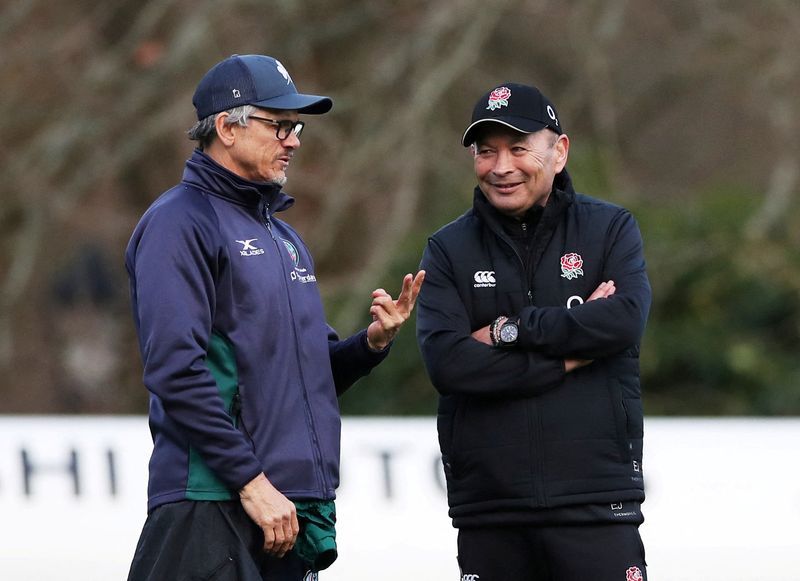
Les Kiss, Australia's new rugby union coach, has indicated a significant shift in selection philosophy by declaring his willingness to cast a wide net for talent beyond Australian shores. Speaking at his first press conference in Sydney this week, Kiss made clear that building a competitive Wallabies squad for the looming World Cup would not be constrained by geographical boundaries. His remarks represent a departure from the more cautious approach of his predecessor Joe Schmidt, signalling that pragmatism rather than parochialism will define his tenure.
The Australian rugby establishment has traditionally discouraged overseas recruitment through formal policy guidelines that limit coaching selections of players based abroad. The underlying rationale has been to incentivize talent to remain competing in domestic competitions, thereby strengthening the local professional competition. Schmidt, during his two-year stewardship, respected these conventions and exercised his discretionary overseas picks with considerable restraint. Kiss, however, appears willing to challenge this orthodoxy if international recruitment can tangibly improve the Wallabies' fortunes on the global stage.
In his inaugural squad announcement for next month's two-test series against Japan—coached by Eddie Jones—Kiss retained the bulk of players Schmidt had deployed throughout the recent Nations Championship campaign. This continuity suggests Kiss is not intent on wholesale upheaval, but rather on building incrementally upon existing foundations. Yet his comments reveal a flexibility that extends beyond the current player pool, indicating conversations are already underway with several overseas-based athletes who might strengthen the national side.
Jordan Petaia exemplifies Kiss's outward-looking recruitment thinking. The outside back and centre, currently based in Japan and nursing an injury, has already been contacted by the new coach as a potential asset. Petaia represents the calibre of player Kiss seems prepared to pursue—established talents with international experience who could provide the Wallabies with additional competitive advantage. This approach acknowledges that world-class rugby talent increasingly gravitates toward lucrative overseas contracts, particularly in Japan's Top League and European competitions.
Australia's recent test record underscores the rationale behind Kiss's pragmatic stance. The Wallabies have suffered nine defeats across their last eleven international matches and currently occupy eighth position in the world rankings, a precarious standing for a nation preparing to host the World Cup. The Nations Championship results that Schmidt oversaw included a narrow loss to Ireland, a comprehensive defeat to France, and only a comfortable victory against a fatigued Italian outfit. These results crystallized the urgency for tactical and personnel innovation as Kiss begins his stewardship.
Kiss articulated his broader vision beyond mere player procurement, emphasizing a return to distinctive Australian rugby principles. He advocated for embracing creativity, competitiveness, and an innate Australian spirit characterized by innovative thinking and dynamic play. This philosophical framework echoes the fast-paced, ball-in-hand rugby that delivered World Cup success during the 1990s. Such rhetoric reflects the challenge confronting Australian rugby: reclaiming a distinctive identity whilst competing against well-resourced opponents from the Northern Hemisphere and the Pacific region.
The A$5 million acquisition of Joseph Suaalii from the National Rugby League represents perhaps the most high-profile test of Kiss's selection judgement. The 22-year-old crossover athlete generated considerable excitement during his Northern Hemisphere debut tour in 2024 but has subsequently delivered only intermittent flashes of elite performance in the gold jersey. Debate continues regarding his optimal positioning, with some observers questioning whether fullback or midfield deployment best suits his skill set. Kiss has confirmed his intention to persist with Suaalii at outside centre, following Schmidt's template, though he acknowledged the player's capacity to excel at fullback.
The positioning of Suaalii at centre rather than fullback carries strategic implications beyond mere positional preference. It reflects Kiss's desire to build attacking structure around a player who combines line-breaking ability with structural awareness. The decision also indicates that Kiss, despite his flexibility on overseas recruitment, intends to extract maximum value from Rugby Australia's substantial investment in the former league player. Success or failure with Suaalii may substantially influence perceptions of Kiss's overall coaching acumen during his formative months in charge.
Kiss's inaugural squad selections maintained broad continuity with Schmidt's approach, suggesting a coach keen to demonstrate respect for existing player contributions whilst signalling openness to future innovation. This balancing act reflects the political complexities inherent in Australian rugby, where domestic player interests, coaching philosophy, and international competitiveness must be carefully negotiated. The coach's public statements about overseas recruitment may also serve pragmatic messaging purposes, indicating to overseas-based players that pathways remain open should their performance warrant selection consideration.
The broader Southeast Asian rugby context adds additional dimensions to Kiss's recruitment strategy. Japan's competitive profile has risen considerably in recent years, and Japanese-based players like Petaia represent talent pools that Australian selectors have traditionally undervalued. Kiss's willingness to consider overseas players acknowledges competitive globalization within rugby union, where talent mobility increasingly defines international squad composition. This perspective aligns Kiss's coaching philosophy with contemporary sport management practices where geographic parochialism has given way to talent-driven meritocracy.
As Kiss navigates the critical buildup period toward the World Cup, his selection decisions will establish expectations regarding his commitment to overseas recruitment principles. Early squad announcements have maintained continuity, yet his public statements have clearly signalled different priorities than his predecessor. The tension between maintaining domestic player morale and pursuing international competitive advantage will define Kiss's coaching tenure, with overseas recruitment likely becoming increasingly prominent should the Wallabies encounter setbacks during forthcoming test matches against Japan and other opponents.

