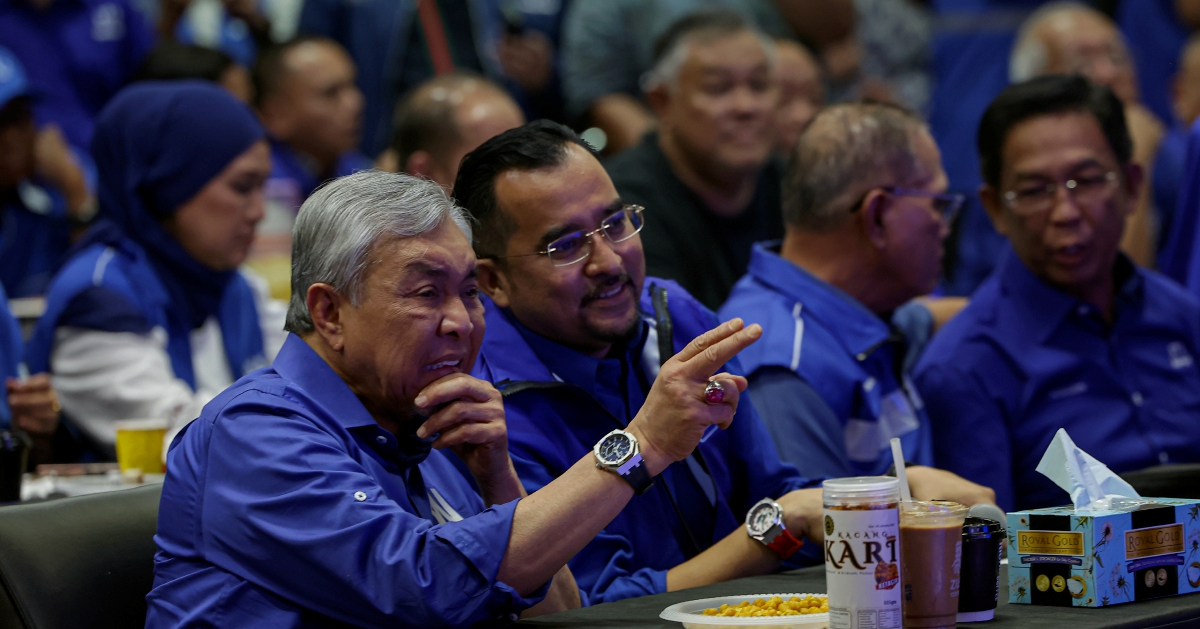
Datuk Dr Asyraf Wajdi Dusuki, the secretary-general of Umno, has issued a pointed reminder to the party establishment and grassroots members that electoral success demands restraint rather than triumphalism. Speaking after Barisan Nasional's victory in the Negri Sembilan state election, Asyraf stressed the importance of maintaining humility and avoiding the complacency that has historically undermined the coalition's political fortunes across the region.
The caution carries particular weight given Malaysia's recent political history, marked by dramatic shifts in voter sentiment when ruling coalitions have allowed success to breed arrogance. Umno and its partners experienced a watershed defeat in 2018 when the coalition lost federal power after more than six decades of governance, a reversal widely attributed to public perception that the party had become disconnected from ordinary voters' concerns and dismissive of legitimate grievances. The memory of that loss remains fresh, especially among senior party figures tasked with rebuilding trust and credibility.
Ashyraf's warning reflects an acute awareness within Umno's leadership that state-level victories, while symbolically important and electorally encouraging, do not constitute reversals of the broader challenges confronting the party. Negri Sembilan remains relatively favourable territory for Barisan Nasional, and winning there, though strategically valuable, does not automatically signal that the coalition has successfully reconnected with voters who abandoned it in large numbers during the previous decade. The secretary-general appears intent on preventing the kind of self-deception that could prompt party operatives to declare victory over systemic problems that require sustained, patient remediation.
The timing of Asyraf's intervention underscores the delicate balance Umno must maintain as it seeks to rebuild its political standing. Recent electoral successes have energized party structures and emboldened certain segments of the membership who advocate for more aggressive assertion of Umno's dominance within Barisan Nasional. However, senior strategists recognize that such confidence, if untempered, risks alienating the crucial demographic segments—particularly younger and urban voters—whose alienation contributed heavily to the party's 2018 collapse. The party requires sustained growth rather than spectacular but unsustainable surges.
Historically, Umno's greatest vulnerabilities have emerged not during periods of adversity but during peaks of confidence. The party's 1997-98 experience saw internal divisions deepen following earlier successes, and the 2018 defeat arrived after years in which party leadership appeared increasingly insulated from criticism and public accountability. These precedents inform the current caution among figures like Asyraf, who recognize that institutional decline often begins with the psychological conviction that current dominance is permanent and resistant to challenge.
The admonition also addresses potential tensions within Barisan Nasional's component parties, each of which will interpret electoral outcomes through the lens of their own organizational interests. Umno's reassertion following 2020-2022 periods of instability has necessarily involved complex negotiations with partners in the coalition, and aggressive triumphalism could destabilize these carefully maintained relationships. Asyraf's call for humility therefore serves multiple audiences: party members requiring restraint, coalition partners requiring reassurance, and the broader Malaysian electorate whose judgment remains, ultimately, the only validation that matters.
For Southeast Asian observers monitoring Malaysia's political trajectory, Asyraf's statements signal that even resurgent political forces maintain institutional memory regarding the dangers of overreach. Malaysia's experience during this period offers instructive lessons across the region regarding how electoral dominance can erode when leaders conflate current support with permanent entitlement. The caution voiced by Umno's secretary-general, while framed in terms of internal party discipline, actually reflects sophisticated understanding of the political psychology underlying stable governance.
The Negri Sembilan result itself should be contextualized within Malaysia's evolving political map. State elections increasingly serve as bellwethers for federal sentiment, though they do not necessarily translate directly into national outcomes. Barisan Nasional's performance in Negri Sembilan demonstrates that the coalition retains functional capacity to mobilize voters in certain constituencies, but also underscores the continued fragmentation of Malaysia's political landscape across regional and demographic lines. No single election result constitutes comprehensive vindication for any coalition.
Looking forward, Umno faces the substantial challenge of translating incremental electoral victories into durable political rehabilitation. This requires sustained attention to governance quality, organizational renewal, and demonstrated responsiveness to constituent concerns. The party's younger generation of leaders, including those in the secretary-general category, appears cognizant that the Malaysian electorate will impose stern judgment on any sense that Umno has learned nothing from its reversal of fortune. Humility, in this context, represents not merely virtue but political necessity.
Ashyraf's intervention ultimately serves to institutionalize caution at a moment when electoral success might otherwise generate momentum toward unwise overconfidence. Whether party rank-and-file members and grassroots activists heed this counsel remains uncertain, but the fact that senior leadership feels compelled to issue such warnings speaks to understanding that past errors remain proximate enough to instruct current decisions.

