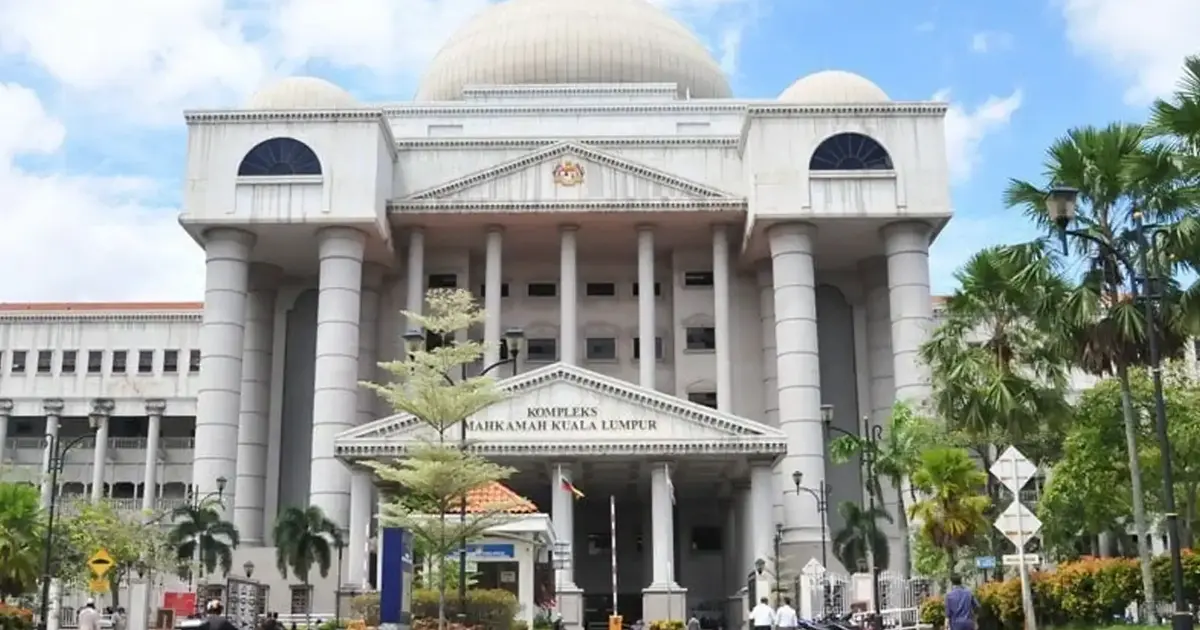
A significant judgment from Malaysia's High Court has brought clarity to intellectual property procedures by determining that strict adherence to timing requirements for serving legal documents in trademark disputes is not an absolute precondition for validity. The court's decision establishes that procedural flexibility can accommodate minor delays without undermining the integrity of trademark applications, a ruling with substantial implications for intellectual property practitioners and applicants navigating the country's registration system.
The judicial finding centres on the proper interpretation of procedural rules governing how counterstatements must be served in trademark matters. The court determined that the requirement to serve a counterstatement at the 'same time' as filing represents a directory provision—essentially a guideline that parties ought to follow—rather than a mandatory condition whose breach automatically triggers forfeiture of rights. This distinction between directory and mandatory requirements is fundamental to administrative law and determines whether procedural non-compliance constitutes grounds for rejecting an application outright.
Directory provisions are those whose infringement does not necessarily render an act void or invalidate proceedings, provided the essential purpose of the requirement has been substantially fulfilled. In contrast, mandatory provisions are strictly enforced because they touch upon matters the legislature or rule-maker considers essential to fairness or substantive justice. The High Court's classification of the timing requirement as directory indicates the judiciary's view that the underlying objective—ensuring both parties receive notice and opportunity to be heard—remains satisfied even when service occurs a few days late, provided no party is genuinely prejudiced by the delay.
This interpretation gains significance when considered against Malaysia's broader trademark registration framework. The Intellectual Property Corporation of Malaysia operates under established procedural rules designed to facilitate orderly and fair examination of applications. However, trademark law must balance rigid proceduralism against practical realities. Many disputes involve documents prepared by multiple parties, legal representatives working across different offices, and administrative processing delays that, while minor, can create technical breaches of timing requirements. The High Court's judgment acknowledges these realities while maintaining the essential protections the procedural rules were designed to provide.
The judgment carries particular importance for applicants and their representatives who may inadvertently breach strict timing requirements through no fault of their own. A two-day delay might result from postal delays, courier mishaps, or miscommunication between legal offices—circumstances often beyond the parties' control. Before this ruling, such technical breaches created significant risk that considerable investment in developing a trademark application could be jeopardised by procedural misadventure rather than substantive merit. The court's approach now provides a measure of protection against such outcomes, provided the delay is genuinely minor and the party causing it acted in good faith.
However, the judgment does not provide blanket immunity for all timing breaches. The High Court's classification of the requirement as directory, rather than discretionary, preserves the principle that parties should comply with procedural rules. The ruling instead suggests that courts retain discretion to assess whether particular delays cause genuine prejudice to the opposing party or undermine the fair administration of the trademark system. A substantially longer delay, or one that demonstrably disadvantages the other party, might still be treated as fatal to an application, depending on the circumstances.
This decision aligns with a broader international trend toward balancing procedural rigidity with substantive justice in intellectual property administration. Many countries have moved away from strict compliance regimes that can invalidate applications on purely technical grounds, recognising that such approaches often serve neither applicants nor the objectives of trademark law itself. Instead, procedural rules are increasingly interpreted with an eye toward proportionality and the actual impact of non-compliance on the fairness of proceedings.
For trademark practitioners in Malaysia, the judgment offers welcome guidance when advising clients on how rigorously to monitor filing deadlines and service requirements. While the decision does not eliminate the obligation to comply with procedural rules, it reduces the catastrophic risk that minor delays pose to trademark applications. Practitioners can now advise clients that small delays in serving counterstatements, particularly when promptly rectified and causing no demonstrable harm, are unlikely to be treated as fatal. This clarity should reduce unnecessary anxiety among trademark applicants and facilitate smoother administration of the trademark system.
The ruling may also influence how the Intellectual Property Corporation and the courts approach other procedural requirements in trademark disputes. If the logic of the High Court's reasoning applies more broadly, other timing requirements in the trademark application process might similarly be recharacterised as directory rather than mandatory, provided non-compliance does not cause prejudice to interested parties. This could reshape administrative practice across various stages of trademark examination and dispute resolution, making the system somewhat more forgiving of inadvertent procedural errors.
For Malaysian businesses investing in intellectual property protection, this judgment reduces one category of risk associated with trademark registration. Entrepreneurs and in-house counsel can now proceed with trademark applications with somewhat greater confidence that technical procedural breaches will not automatically destroy months of preparation and strategic planning. The decision thus serves the practical interests of businesses seeking to build and protect valuable brand assets through Malaysia's intellectual property system.
The broader significance of this judgment extends to the general principle it reinforces about procedural justice: that form should serve substance, not substitute for it. While procedural rules exist for important reasons—ensuring notice, fairness, and orderly administration—rigid adherence to form at the expense of substantive justice often produces perverse outcomes. The High Court's willingness to distinguish between directory and mandatory requirements, and to assess whether particular breaches cause actual prejudice, represents a judicial approach that treats procedural compliance as a means to an end rather than an end in itself.
Going forward, trademark applicants and their representatives should treat this ruling as providing moderate reassurance rather than an invitation to disregard procedural deadlines. The decision does not eliminate the obligation to comply with service requirements and other procedural rules. Rather, it provides a degree of insurance against catastrophic consequences flowing from minor, inadvertent delays. Parties should continue to exercise due diligence in meeting procedural obligations, but can do so with recognition that the courts will assess technical breaches with reference to their actual impact on fairness and the administration of justice.

