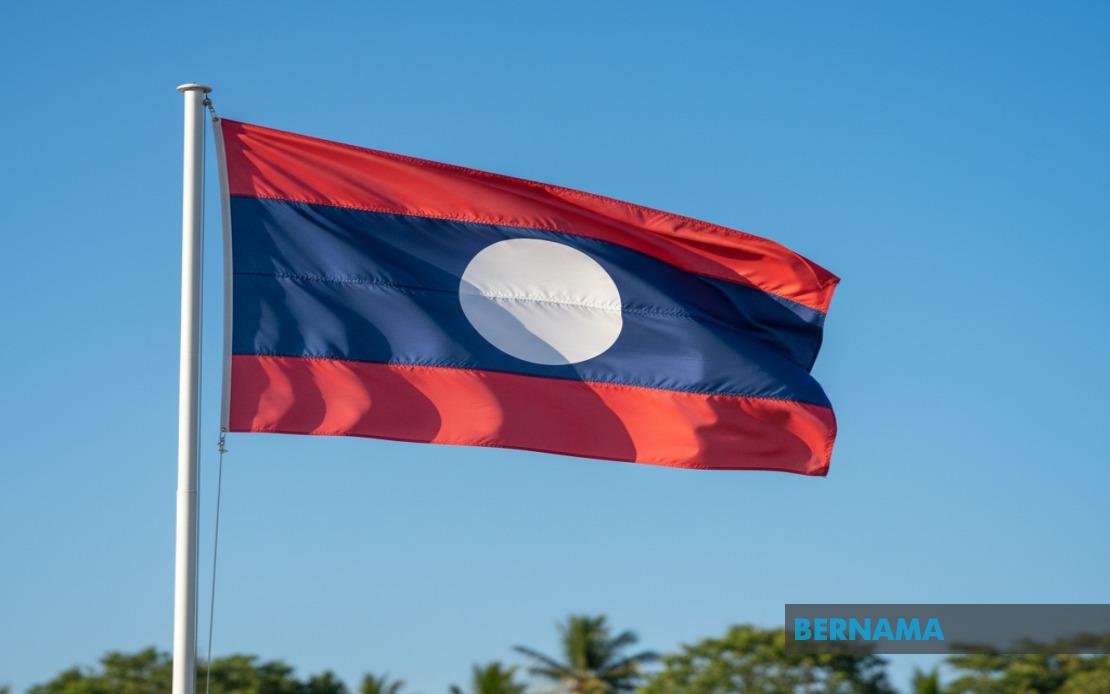
Laos has taken a significant step toward reforming its media landscape by holding its first National Media Congress in Vientiane, where political and media leaders adopted a comprehensive modernisation roadmap. The three-day gathering from Monday to Wednesday brought together senior government officials, media executives, editors, journalists, and communication specialists to chart a new direction for the country's journalism sector. Operating under the overarching theme of "Strengthening Party Leadership and Developing the Media Toward a New Level of Quality," the congress reflected Laos's determination to enhance how information is produced, disseminated, and consumed across the nation.
The event's scope extended beyond ceremonial pronouncements, with participants engaging in substantive discussions about the media industry's trajectory and the concrete steps needed to elevate journalistic standards. Khamphan Pheuyavong, who heads the Commission for Information and Education, delivered a comprehensive summary during the closing session that underscored the congress's achievement in evaluating previous accomplishments while candidly assessing existing weaknesses. His presentation provided a structured framework for understanding where the Lao media sector stands and what transformations are necessary to meet contemporary challenges.
President Thongloun Sisoulith's closing address articulated a vision for media reform that balances institutional control with professional development. His emphasis on five distinct priorities suggests a recognition that modernisation requires multifaceted approaches rather than isolated initiatives. The president's first priority—fostering greater unity and cooperation among media organisations—acknowledges that a fragmented media landscape cannot effectively serve national objectives. This calls for horizontal collaboration where news organisations learn from one another, develop shared understandings of the information environment, and cultivate the critical capacity to differentiate between legitimate public scrutiny and malicious disinformation campaigns.
The second priority places considerable weight on cultural stewardship, with the president specifically urging media professionals to embed traditional Lao values into their work. By highlighting virtues such as humility, generosity, and respect while explicitly rejecting vulgarity, dishonesty, and self-serving behaviour, the directive establishes ethical parameters that extend beyond technical journalism standards. This reflects a broader Southeast Asian approach to media governance that intertwines cultural preservation with institutional interests, a reality that Malaysian media professionals understand well given similar dynamics in the region.
Defending truth and justice emerged as the third strategic pillar, with particular emphasis on responsible reporting as a bulwark against misinformation. The president's call for media organisations to maintain public trust suggests an understanding that journalism's legitimacy depends on consistent adherence to factual accuracy and principled investigation. This priority acknowledges the contemporary challenge of false information circulating across digital platforms, a concern that resonates throughout Southeast Asia where social media misinformation has undermined public discourse and institutional credibility.
The fourth priority explicitly directs party and state agencies to strengthen their support for media organisations through enhanced guidance and constructive assistance. This represents an acknowledgment that media modernisation cannot succeed without institutional backing, whether through resources, training facilities, or policy frameworks that enable rather than constrain professional journalism. For Malaysian observers, this dynamic reflects the ongoing debate about the appropriate relationship between government entities and news organisations in developing democracies.
The fifth priority emphasises continuous professional development as essential to modernisation, urging journalists to upgrade their skills, embrace innovation, and demonstrate adaptability in an evolving information ecosystem. This recognition that journalism requires constant evolution rather than static practices signals an understanding that technological change and audience expectations demand ongoing investment in human capital and newsroom capabilities. The emphasis on innovation particularly matters in Laos, where digital platforms are rapidly reshaping how citizens access information.
The congress's timing and scope suggest deeper implications for Laos's broader governance agenda. By bringing together media professionals under explicit party leadership frameworks, the government is signalling its intention to shape the media sector's development while simultaneously acknowledging that media effectiveness serves state interests. This approach differs from Western liberal models where media independence from state control is considered fundamental, yet it reflects patterns common across Southeast Asia where development priorities are often framed as requiring coordinated state and media collaboration.
For regional stakeholders, including Malaysian media observers and policymakers, Laos's initiative offers insights into how neighbouring governments conceptualise media modernisation. The emphasis on party leadership and cultural values alongside professional standards reveals competing priorities that many Southeast Asian nations navigate. The congress outcomes suggest that Laos intends to pursue selective modernisation—adopting technological and professional improvements while maintaining state influence over media direction and content priorities.
The modernisation roadmap's success will likely depend on implementation mechanisms and resource allocation, areas not fully detailed in the congress announcements. Whether state agencies will substantively invest in journalist training, newsroom infrastructure, and digital capabilities remains unclear. Similarly, how media organisations will navigate expectations to serve both professional journalistic standards and party-aligned objectives presents ongoing tensions that will require careful management.
For Malaysia's media landscape, the Lao congress underscores ongoing regional conversations about media governance, professional standards, and the relationship between state institutions and journalism. As digital transformation accelerates across Southeast Asia, how individual nations balance modernisation with institutional oversight will shape information quality and public discourse throughout the region. Laos's roadmap reflects one approach to these fundamental questions, one that prioritises coordinated development under clear state guidance while aspiring toward improved journalistic quality and public trust.

