A long-awaited sea ambulance service for Langkawi is set to transform emergency medical response on the island, with the government committing significant resources to bridge a critical healthcare access gap that has troubled residents for years. The initiative, expected to begin operations in the first quarter of next year, represents a watershed moment for an island community that has struggled with the constraints of ferry-based patient transportation and limited nighttime emergency options.
Finance Minister II Datuk Seri Amir Hamzah Azizan announced the government's RM5.5 million allocation towards purchasing the sea ambulance vessel and funding its initial operational phase, signalling a formal commitment to resolving the island's medical emergency infrastructure challenges. This financial commitment goes beyond acquisition costs, factoring in the recurring expenses necessary to establish the service as a sustainable component of Langkawi's healthcare network.
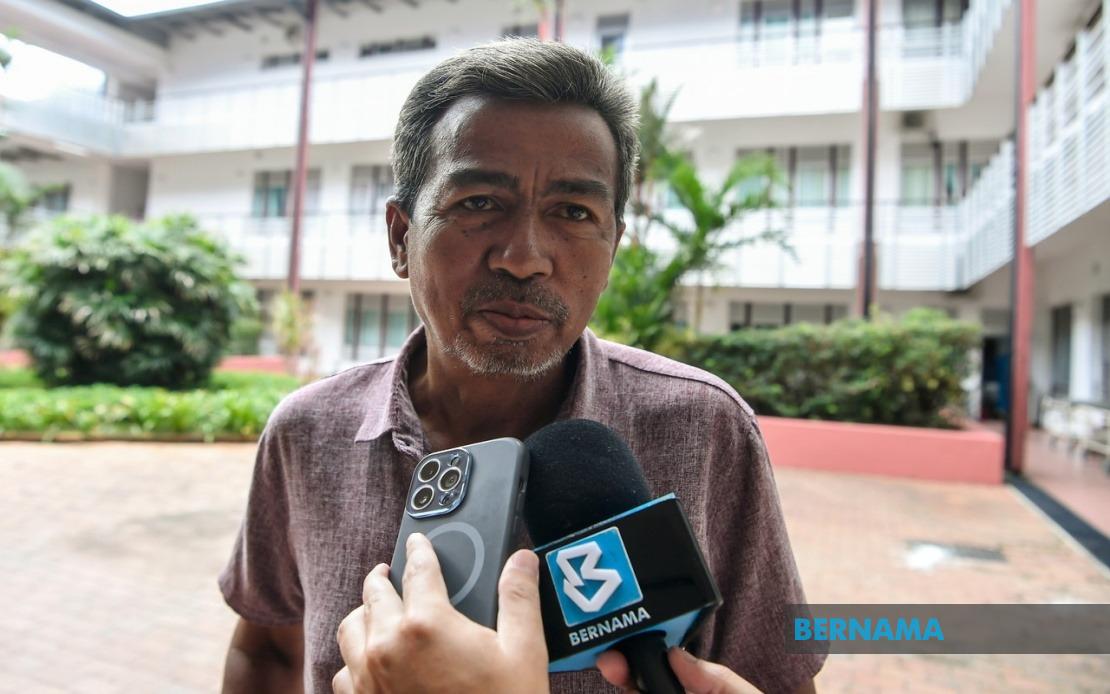
For business leaders and traders on the island, the announcement carries profound practical implications. Yusuf Zakaria, chairman of the Langkawi Small Traders Association, articulated the sentiment widely shared among stakeholders: that a formally structured, government-administered service would transcend the limitations of existing arrangements. Though a non-governmental organisation currently operates a water ambulance, Zakaria expressed concerns about transparency in operational procedures and the consistency of service delivery. The official government service, he believes, will establish uniform safety protocols and accountability mechanisms that inspire greater public confidence.
The challenges facing medical emergencies on the island have been substantial and well-documented within the local community. Muhamad Hafiz Abdul Jalil, a contractor with firsthand experience of these difficulties, emphasised how residents have historically improvised solutions by utilising commercial ferry services—vessels designed primarily for passenger transport rather than medical care. This ad-hoc approach compromises patient outcomes, as ferries lack specialised equipment, trained medical personnel, and the ability to maintain the environmental controls necessary for critically ill patients during transit to mainland hospitals.
Nighttime emergencies present an especially acute vulnerability in Langkawi's current system. Commercial ferry operations cease during evening hours, effectively creating a window during which serious medical incidents cannot be safely addressed through conventional transportation. Masri Ahmad, a trader who has witnessed the practical consequences of this gap, underscored how the sea ambulance would fundamentally alter response capabilities during night hours when medical crises show no regard for commercial operating schedules.
The tourist dimension adds another layer of significance to this initiative. Langkawi attracts substantial international visitor numbers annually, and the absence of dedicated emergency medical transport creates liability and reputational risks. Visitors experiencing sudden health emergencies currently face the same constraints as residents, potentially transforming manageable medical situations into crises due to transportation delays. The sea ambulance service will enhance Langkawi's position as a safe tourism destination by demonstrating comprehensive emergency preparedness.
From a healthcare infrastructure perspective, the service represents recognition that island economies require specialised medical logistics solutions distinct from those serving mainland regions. The vessel will enable faster patient stabilisation and transfer to tertiary care facilities, reducing the window during which condition deterioration occurs. This is particularly critical for time-sensitive conditions such as cardiac events, strokes, or severe trauma where minutes determine clinical outcomes.
The implementation timeline offers both opportunities and challenges for stakeholders. Launch in early next year suggests procurement processes are already underway, implying that detailed specifications, crew training protocols, and operational procedures are being developed in parallel. Local healthcare officials and emergency services personnel will require familiarisation with the new system to optimise coordination between island-based medical facilities and the sea ambulance service.
Financial allocation of RM5.5 million reflects realistic cost assessment for acquiring a purpose-built maritime medical vessel and establishing operational infrastructure including docking facilities, maintenance capabilities, and staff training. For island communities throughout Southeast Asia facing similar geographical constraints, Langkawi's approach offers a potentially replicable model for addressing healthcare inequities created by maritime isolation.
The broader policy context matters here as well. Investment in island healthcare infrastructure demonstrates government recognition that development benefits must extend beyond urban centres and easily accessible regions. Langkawi, while economically significant as a tourism hub, has historically experienced healthcare access disparities relative to Peninsular Malaysia. This allocation signals shifting priorities towards reducing such geographic health inequities.
Community reception has been overwhelmingly positive across diverse demographic segments—from business owners concerned with operational reliability to casual workers and tourism-sector employees who represent potential patients. This convergence of stakeholder support strengthens the political sustainability of the initiative and suggests genuine community demand for the service.
Looking ahead, the service's success will depend on seamless coordination between the sea ambulance operators, Langkawi's government hospitals and clinics, and receiving facilities on the mainland. Training programmes for medical personnel, establishment of communication protocols, and regular equipment maintenance will be essential to ensuring the service delivers on its promise to improve emergency medical access. The RM5.5 million commitment thus represents not merely a capital expenditure but an investment in institutional capacity that should yield measurable improvements in emergency response outcomes for Langkawi's residents and visitors.

