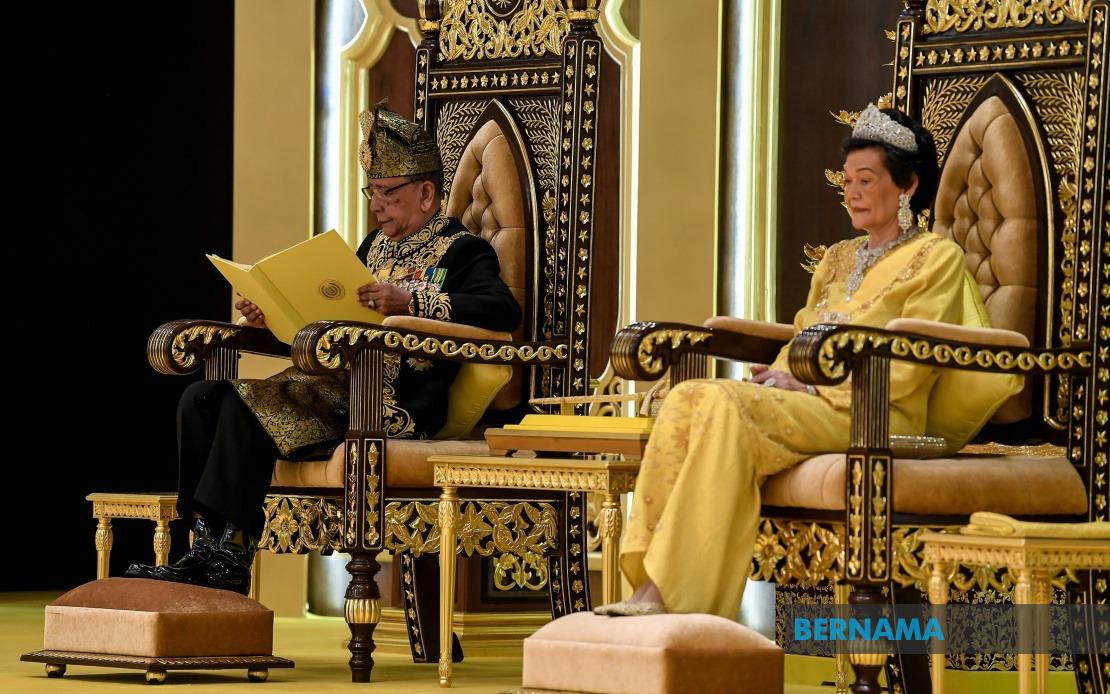
The Sultan of Kedah, Al Aminul Karim Sultan Sallehuddin Sultan Badlishah, has delivered a pointed message about Langkawi's future, insisting that the island must chart its own course in the intensely competitive tourism landscape of Southeast Asia. Speaking at an investiture ceremony marking his 84th birthday in Alor Setar on July 5, His Royal Highness emphasised that Langkawi possesses inherent advantages that should form the foundation of its development strategy, rather than attempting to replicate the commercial success of well-established competitors across the region.
The Sultan's remarks carry particular weight given Langkawi's status as one of Malaysia's most significant economic engines and a crucial component of Kedah's prosperity. As a UNESCO Geopark and a destination that attracts hundreds of thousands of international visitors annually, the island represents far more than a local tourism concern—it embodies the nation's broader aspirations to compete effectively in the global travel market. The Sultan's intervention suggests that current development approaches may be veering too closely towards formulaic resort-style tourism that characterises competing destinations.
Langkawi's distinctive advantages, according to the Sultan, lie primarily in its geological formations, ecological diversity, and historical significance. The island's natural treasures—including its dramatic karst limestone landscapes, mangrove ecosystems, and pristine beaches—offer characteristics that neither Phuket nor Bali can precisely replicate. By leveraging these unique features rather than attempting to recreate the urban-centric, high-density tourism model found in Thailand's premier destination or Indonesia's Balinese temples, Langkawi could potentially carve out a position that attracts visitors seeking authentic experiences and environmental consciousness.
The emphasis on sustainable development carries implications beyond environmental management. For Malaysia's tourism sector, which faces mounting pressure from Chinese and Thai competitors offering similar package deals at lower price points, differentiation through authenticity and environmental stewardship could justify premium positioning. Langkawi's heritage—encompassing Malay cultural traditions, historical trade routes, and local communities—represents commercial assets that remain underdeveloped compared to natural attractions. A strategy centred on preservation rather than transformation could allow the island to command higher visitor spending while maintaining resident quality of life.
The Sultan's warning about parties seeking to exploit Langkawi's situation or damage its reputation appears directed at development proposals that prioritise short-term financial returns over long-term sustainability. This concern is not unfounded. Tourism-dependent destinations worldwide have experienced negative consequences from uncontrolled development, including environmental degradation, cultural erosion, and community displacement. Thailand's Phuket has grappled with severe environmental challenges stemming from rapid, inadequately regulated expansion, offering a cautionary example that presumably informed the Sultan's statements.
Equally significant, however, is the Sultan's expression of serious concern regarding incomplete infrastructure projects, particularly the Sungai Kedah and Anak Bukit flood mitigation initiative. The persistence of flooding in affected residential areas represents a fundamental governance failure that undermines broader development ambitions. Residents cannot reasonably be expected to embrace tourism promotion when their own communities remain vulnerable to preventable natural disasters. This infrastructure gap suggests that development priorities may have become misaligned, with tourism promotion advancing whilst essential public services languish.
The flood mitigation delays embody a broader challenge confronting Malaysian state governments: balancing multiple competing demands on limited resources. Flood control, whilst unglamorous and expensive, directly impacts citizen welfare and economic stability. Conversely, tourism infrastructure attracts international investment and generates visible economic activity. The Sultan's simultaneous emphasis on both tourism excellence and infrastructure completion suggests recognition that sustainable development cannot proceed through selective investment in high-profile projects whilst neglecting essential services.
For Malaysia's tourism industry more broadly, the Sultan's intervention at the level of state leadership indicates that regional governance hierarchies remain engaged with destination management strategy. This differs markedly from some Southeast Asian competitors where tourism development has become substantially privatised and commercialised. State-level political commitment to coherent tourism planning could potentially yield advantages in coordinated marketing, infrastructure investment, and environmental protection, though execution remains critical.
The specific reference to avoiding comparison with Phuket and Bali, whilst avoiding imitation, acknowledges that Langkawi necessarily operates within a competitive regional context. Visitors choosing among Southeast Asian destinations make comparative assessments based on value, experience quality, and accessibility. Rather than attempting direct competition on established competitors' terms, the Sultan's framework suggests positioning Langkawi as offering a superior alternative—combining tourism experience with environmental integrity and community benefit. This approach requires coherent messaging, consistent policy implementation, and sustained investment across multiple domains.
The royal family members present at the ceremony—including the Sultanah, Raja Muda, and various court officials—underscore that this represents institutional positioning rather than individual commentary. When state constitutional monarchs articulate development philosophy, they typically reflect accumulated court advisors' assessment of pressing issues and preferred policy directions. The Sultan's emphasis on balanced development, environmental stewardship, and infrastructure completion likely represents broader Kedah state government thinking about future directions.
Implementing the Sultan's vision will require coordination between state authorities, federal tourism agencies, private sector developers, and community stakeholders. Langkawi's development trajectory over coming years will test whether political rhetoric about distinctive identity can translate into concrete planning decisions and investment allocation. The challenge lies in maintaining disciplined adherence to distinctive positioning principles whilst competing effectively for tourism dollars and managing inevitable pressure from developers seeking maximum return on investment. Success would position Langkawi as a Southeast Asian model for sustainable, identity-conscious tourism development—a distinction that could prove more valuable long-term than temporary advantages from rapid, undifferentiated expansion.

