Authorities in Sarawak have moved decisively to protect children at a Langkawi-based kindergarten by ordering the facility to close its doors pending completion of a police investigation into serious allegations of child neglect and mistreatment. The Social Welfare Department's intervention represents a significant step in child protection enforcement, with the directive issued as investigators work to establish the validity of disturbing claims that emerged from a former educator at the centre.
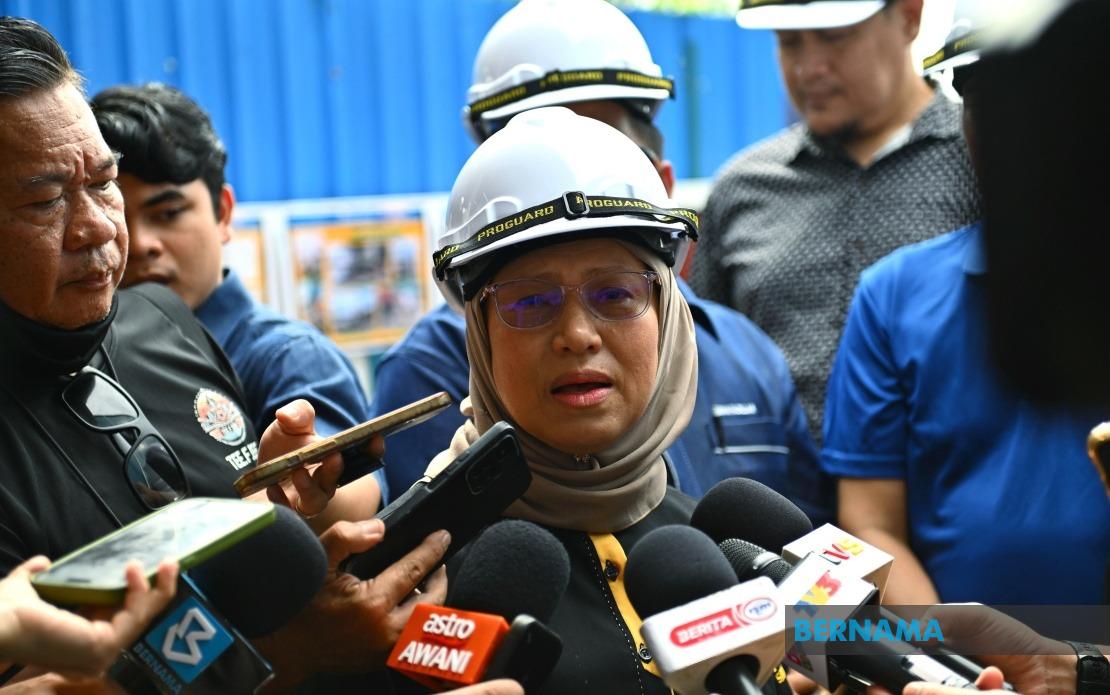
Women, Family and Community Development Minister Datuk Seri Nancy Shukri confirmed the temporary operational suspension during remarks to press at Kuching on July 18, emphasising the need for swift resolution of the matter. Although the kindergarten technically falls under the Education Ministry's regulatory purview, the Social Welfare Department has positioned itself as a crucial collaborator in safeguarding vulnerable children, working alongside police and district education officials to examine evidence and compile findings for the ongoing inquiry.
The allegations surfacing from the former kindergarten staff member paint a troubling picture of conditions at the facility. According to Langkawi district police chief ACP Khairul Azhar Nuruddin, the complaint detailed instances of children sleeping directly on floors without bedding and being locked inside toilet areas, practices that would constitute clear violations of child welfare standards and institutional care protocols. Officers are methodically cross-referencing these allegations against surveillance footage and statements from witnesses who may have observed conditions at the centre, a process expected to provide objective evidence of what transpired within the premises.
The invocation of Section 31(1) of the Child Act 2001 underscores the seriousness with which authorities are treating the case. This provision addresses offences concerning child protection and welfare, establishing a legal framework for investigation and potential enforcement action. The decision to mandate operational closure represents more than administrative inconvenience; it serves as an immediate safeguarding measure ensuring no additional children experience potentially harmful conditions while investigations proceed.
Minister Shukri's statements reveal a coordinated approach spanning multiple government agencies, each contributing expertise and resources to the investigation. The Social Welfare Department's child protection officers are gathering documentation and compiling reports required for police inquiries, while the District Education Office provides institutional knowledge about facility operations and regulatory compliance. This multi-agency cooperation reflects recognition that effective child protection demands integrated action across departmental boundaries.
The kindergarten operator has received formal caution regarding compliance with child care, safety, and welfare requirements, with authorities making clear that substantive legal consequences await if investigations confirm regulatory breaches. This warning signals that voluntary adherence to established standards remains the preferred pathway, yet carries implicit recognition that more severe sanctions—including potential prosecutions and permanent licence revocation—remain available tools if the evidence warrants such action.
For Malaysian parents entrusting their children to private educational facilities, this case raises critical questions about oversight mechanisms and accountability. While kindergartens serve vital functions in early childhood development and parental work arrangements, incidents of institutional neglect highlight vulnerabilities in existing monitoring systems. The visibility of this investigation may prompt broader scrutiny of daycare and kindergarten standards across the country, potentially catalysing enhanced inspection protocols and mandatory safety certifications.
The incident carries particular resonance given Malaysia's ongoing commitment to child welfare frameworks. As a signatory to international child protection conventions, the nation has undertaken obligations to prevent maltreatment and neglect. Cases such as this provide public demonstration of regulatory mechanisms in action, yet simultaneously expose gaps in prevention and early detection. The question of how serious allegations reached crisis point before triggering intervention warrants examination of reporting systems and parental awareness of complaint channels.
Separately, Minister Shukri highlighted progress on the Pending Jetty upgrading initiative, a RM600,000 infrastructure project in her Santubong parliamentary constituency approaching completion by late August. The jetty development represents routine constituency development work, though its mention alongside the kindergarten closure illustrates the breadth of portfolio responsibilities encompassing both child protection emergencies and local infrastructure delivery.
The temporary closure imposed on the kindergarten creates immediate logistical challenges for affected families requiring alternative childcare arrangements on short notice. While protective closure remains necessary, the disruption underscores why prevention of such institutional failures proves more efficient than remedial interventions. Moving forward, the investigation's findings will likely inform recommendations for strengthened kindergarten licensing requirements and inspection frequency across Malaysia.
Lawmakers and child welfare advocates will monitor whether this case generates momentum for policy reforms enhancing facility oversight. The investigation currently underway represents the accountability phase; the subsequent challenge involves translating lessons learned into systemic improvements preventing future incidents. Police completion of their investigative work will determine whether criminal charges proceed, yet regardless of legal outcomes, the reputational and operational damage to the kindergarten appears decisive.
Parents nationwide should recognise their right to inquire about kindergarten safety practices, staff qualifications, and inspection records before enrolling children. Government agencies have signalled through this action that allegations of institutional child mistreatment receive serious attention, yet individual vigilance remains essential in early identification of concerning conditions. The investigation's eventual conclusions will provide important public record of what occurred and whether systematic failures enabled alleged mistreatment to persist.

