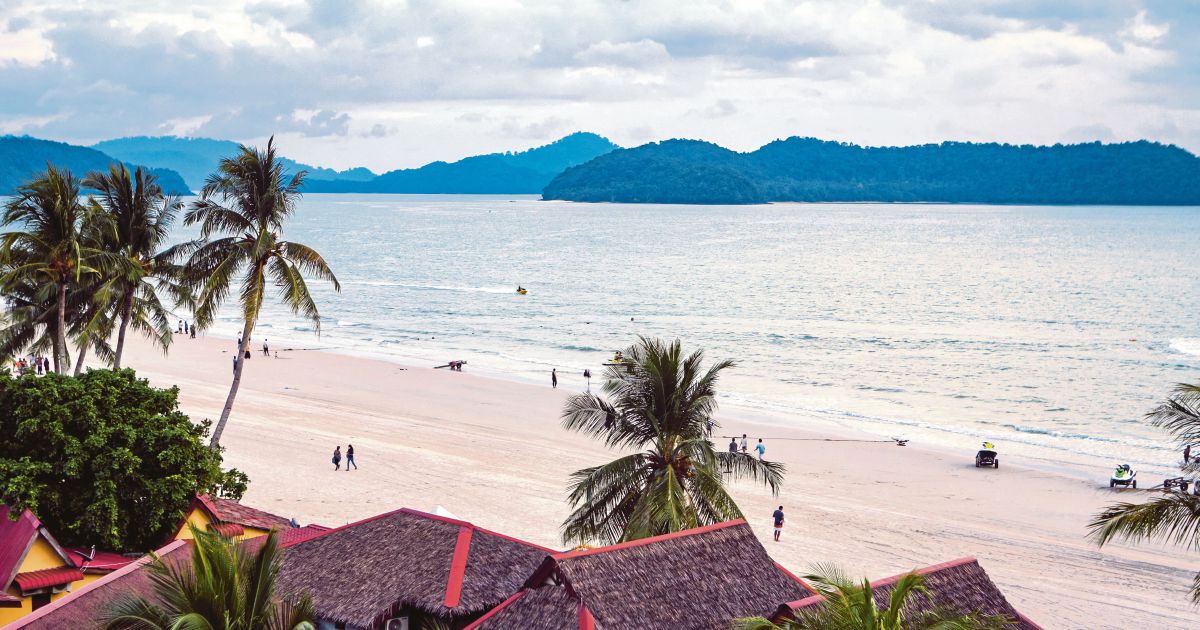
Langkawi remains far from fulfilling the ambitious vision envisioned when the island was granted duty-free status nearly four decades ago, according to Tun Dr Mahathir Mohamad, who has raised alarm bells over the destination's capacity to keep pace with rival tourist attractions across Southeast Asia. The former prime minister's assessment suggests that the popular Malaysian island continues to underperform relative to its geographic advantages, strategic location, and the economic freedoms granted through its special trading status.
The duty-free designation, implemented to catalyse economic transformation and position Langkawi as a premium tourist and commercial hub, has evidently failed to trigger the comprehensive development that policymakers originally anticipated. With roughly half of its latent capacity remaining untapped, the island faces a mounting urgency to accelerate investment and modernisation before regional competitors further consolidate their market share. This shortfall indicates that existing frameworks and implementation strategies may require substantial revision to unlock greater returns.
The competitive landscape for Southeast Asian tourism has intensified markedly in recent years, with destinations such as Thailand, Indonesia, and Vietnam aggressively marketing their attractions and infrastructure offerings. Langkawi's relative stagnation in comparison reflects broader challenges in translating regulatory advantages into sustained economic performance. The gap between potential and realisation points to systemic obstacles ranging from infrastructure limitations to gaps in strategic marketing and experience differentiation.
Dr Mahathir's observations carry particular weight given his foundational role in shaping Malaysia's development policies and the original conception of Langkawi's special economic status. His concern suggests that the mechanisms originally conceived to drive growth—including tariff exemptions and investor incentives—have not produced outcomes commensurate with expectations. The implication is that regulatory frameworks alone, without complementary investments in hospitality infrastructure, attractions development, and workforce capacity, prove insufficient to sustain competitive advantage.
The island's tourism infrastructure, while functional, has not evolved at the pace required to meet modern traveller expectations. Contemporary visitors increasingly seek integrated experiences combining natural beauty, cultural immersion, dining sophistication, and entertainment variety. Langkawi's current offerings, though pleasant, may lack the comprehensive appeal and distinctive positioning necessary to command premium pricing or extended visitor duration compared to neighbouring destinations offering comparable natural endowments.
Throughout Southeast Asia, neighbouring territories have leveraged their own tax advantages and regulatory flexibility to construct more diversified economies. The comparison is instructive: while Langkawi remains primarily tourism-dependent, some rival destinations have successfully broadened their economic bases to include manufacturing zones, financial services hubs, and technology enterprises. This diversification reduces vulnerability to tourism demand fluctuations and generates sustainable employment opportunities beyond seasonal hospitality roles.
The human capital dimension merits attention as well. Attracting and retaining skilled workers in management, hospitality, and service sectors presents ongoing challenges for island economies. Without concerted workforce development initiatives, Langkawi may struggle to deliver the service standards expected by affluent international travellers who increasingly compare experiences across multiple destinations before selecting their preferred holiday location.
Infrastructure deficits extend beyond hotel accommodation to transportation connectivity, entertainment venues, and culinary establishments of international calibre. Investment in these complementary sectors remains essential for converting casual visitors into repeat customers and extending average length of stay. The absence of flagship attractions or signature experiences that distinguish Langkawi from competitors represents a significant missed opportunity in an increasingly crowded marketplace.
Regional geopolitical and economic shifts have also altered the competitive dynamics. Neighbouring Thailand has strengthened its position through sustained marketing campaigns and infrastructure investment. Indonesia's Bali continues to attract visitors through cultural authenticity and pricing competitiveness. Vietnam's emergence as a tourist destination offers travellers fresh experiences and excellent value. Within this environment, Langkawi requires strategic repositioning rather than incremental improvements.
The financial services and offshore business sectors, potentially significant value-add components for an island economy, appear underdeveloped relative to opportunities. Enhanced regulatory frameworks and marketing could position Langkawi as a legitimate alternative for regional business operations, generating high-margin activity distinct from tourism. This diversification would provide economic resilience during tourism downturns.
Addressing the capability gap necessitates coordinated action spanning public and private sectors. Strategic planning must identify Langkawi's genuine competitive advantages—pristine natural environment, geographic location, cultural heritage—and develop distinctive offerings difficult for competitors to replicate. Investment in experiential attractions, upscale hospitality facilities, and integrated resort developments becomes critical.
The timeline for remedial action grows shorter. Each year that passes without decisive intervention allows competing destinations to consolidate their advantages and entrench visitor preferences. Reversing market perception and redirecting visitor flows requires sustained commitment and substantial capital deployment over several years. Without immediate strategic refocus, Langkawi risks permanent marginalisation within regional tourism hierarchies, representing significant opportunity cost for Malaysia's economy and the island community itself.

