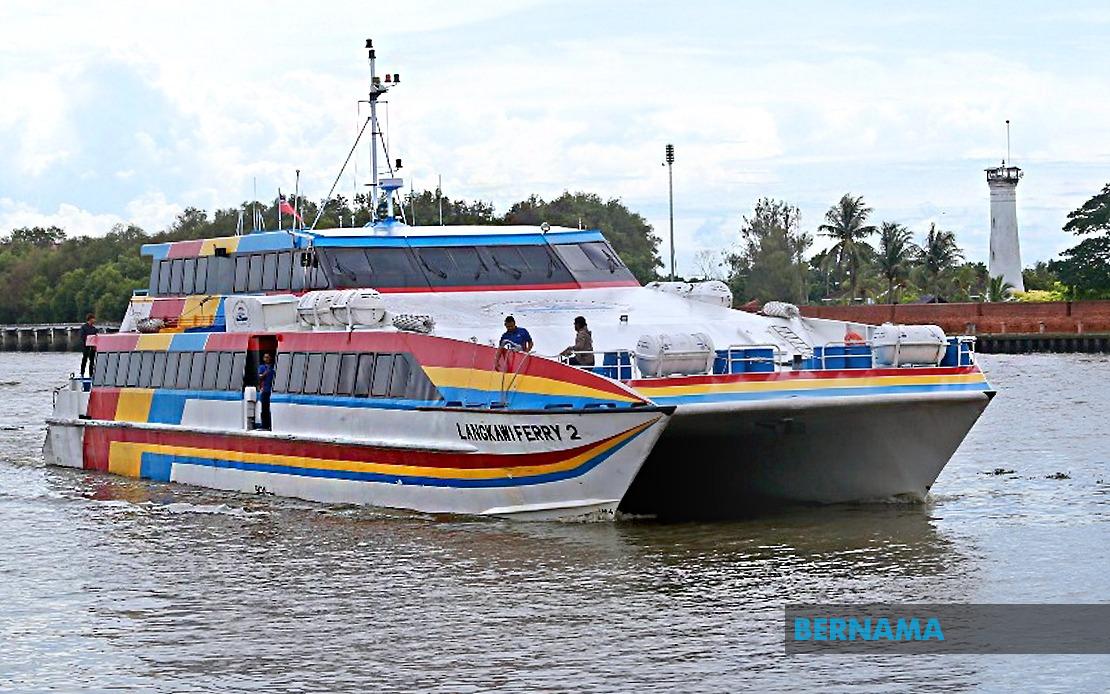
The operator of Langkawi's primary ferry services is sounding an alarm about deteriorating maritime conditions along the vital shipping corridors that connect the island to the Malaysian mainland, warning that without immediate government intervention, the region's tourism infrastructure faces serious disruption. Ferry Line Ventures Sdn Bhd has highlighted how silt accumulation in the waters near Kuala Kedah and Kuala Perlis is steadily reducing navigable depth, creating mounting safety concerns for the passenger vessels that form the backbone of Langkawi's transport network.
According to Lieutenant Commander (Retired) Norhafiz Abdul Wahid, operations manager at Ferry Line Ventures, the shallow and deteriorating conditions represent a multifaceted threat to maritime operations. The narrowing margins of safety not only elevate risks during routine ferry runs carrying hundreds of passengers at a time, but also introduce uncertainty into scheduling precision that modern tourism demands. When ferry services encounter unexpected delays or cancellations due to navigational constraints, the consequences ripple across Langkawi's entire economy, disrupting hotel bookings, tour itineraries, and the carefully orchestrated movements of domestic and international visitors throughout the island.
The commercial significance of these shipping routes extends well beyond routine passenger transportation. Ferry services operate as the primary transport arteries feeding tourists into Langkawi, a destination that generates substantial revenue for both the island's hospitality sector and the national tourism economy. During the peak season months, these maritime corridors must accommodate extraordinary passenger volumes, with Ferry Line Ventures capable of transporting up to 25,000 tourists daily when conditions permit. This capacity represents not merely operational statistics but rather the infrastructure requirements necessary to sustain Langkawi's economic vitality and competitive position within Southeast Asia's increasingly crowded tourism marketplace.
The timing of this appeal carries particular urgency given the calendar of major events looming on Langkawi's horizon. The Langkawi International Maritime and Aerospace Exhibition (LIMA), scheduled for next year, will intensify both domestic and international visitor flows to the island at precisely the moment when shallow channels would most severely hamper operational efficiency. Ferry operators are essentially warning that if dredging work is postponed, the island will be unable to reliably transport the surge of visitors expected during this prestigious international event, potentially damaging Langkawi's reputation as a well-managed destination and diminishing the exhibition's economic benefits for the region.
The operators contend that addressing the silt problem requires sustained, systematic action rather than sporadic intervention. Comprehensive dredging campaigns, followed by periodic maintenance schedules, represent the only realistic path to ensuring these channels remain navigable year-round. Without this commitment to long-term management, ferry operators argue they face a cycle of recurring problems that will progressively worsen operational efficiency and passenger satisfaction. The government's maritime authorities must treat these channels as critical infrastructure requiring the same reliability expectations applied to major highways or airports.
The immediate operational context underscores why ferry companies are framing this as an urgent matter. During the school holiday period spanning late August through early September, coupled with Malaysia's National Day celebrations, Ferry Line Ventures has scheduled an ambitious programme of ferry departures designed to manage the anticipated surge in travellers seeking to visit Langkawi. The operator has organized 176 regular service trips with an additional 66 extra runs, anticipating that approximately 90,000 passengers will transit the two principal routes: Langkawi to Kuala Perlis and Langkawi to Kuala Kedah. The advance ticket sales figures, showing 86,978 reservations already processed through online platforms, counters, and booking systems, demonstrate how comprehensively booked these services have become.
This booking momentum reflects the strong summer holiday demand that characterizes Malaysian travel patterns, with school closures creating a concentrated period during which families prioritize leisure travel. For many Malaysian households, Langkawi remains an accessible and attractive island destination, and ferry access determines whether trips actually proceed or whether disappointed families redirect their holidays elsewhere. When ferry capacity becomes constrained due to channel limitations, the consequences extend far beyond the ferry company's revenue; they affect hotel occupancy throughout Langkawi, spending at attractions and restaurants, employment at tourism-related businesses, and the overall economic health of an island economy heavily dependent on visitor arrival rates.
The ferry operator's call for online ticket purchasing through the Cuti-Cuti Langkawi application reflects modern best practices for managing high-volume transport during peak periods, but such systems function optimally only when the underlying maritime infrastructure operates without constraint. If channels become too shallow to accommodate scheduled sailings, the app becomes a mechanism for disappointed customers rather than an efficient distribution platform. This disconnect between digital capacity management and physical infrastructure limitations illustrates why the dredging issue extends beyond simple operational logistics to become a broader question of whether Malaysia's maritime authorities are adequately maintaining the transportation infrastructure that underpins regional tourism development.
For Malaysian policymakers, the ferry operators' petition carries broader implications about port infrastructure investment and federal government responsiveness to commercial sector appeals. Langkawi's ferry operations function within the jurisdiction of northern Peninsular Malaysia, involving federal maritime authorities, port management entities, and potentially various state government bodies in Kedah and Perlis. The coordination challenges inherent in maintaining these shared waterways, combined with the substantial capital expenditure required for comprehensive dredging programmes, create bureaucratic friction that can delay action. Yet the commercial case for swift intervention appears compelling: the tourism revenue at stake, the employment in dependent industries, and the competitive positioning of Langkawi within regional tourism markets all depend on maintaining reliable ferry connections.
The operators are essentially framing dredging maintenance as an investment in national tourism competitiveness rather than merely a routine maritime housekeeping task. When potential visitors evaluate island destinations in Thailand, Indonesia, or elsewhere in Southeast Asia, their decision-making processes include assessments of accessibility and transport reliability. If Langkawi develops a reputation for ferry delays and uncertain departure schedules caused by channel limitations, the island's attractiveness diminishes relative to competitors. The window for corrective action before such reputational damage occurs remains open, but dredging programmes typically require months of planning, procurement, and execution, meaning that delayed government decisions may produce consequences visible within the tourism season ahead.

