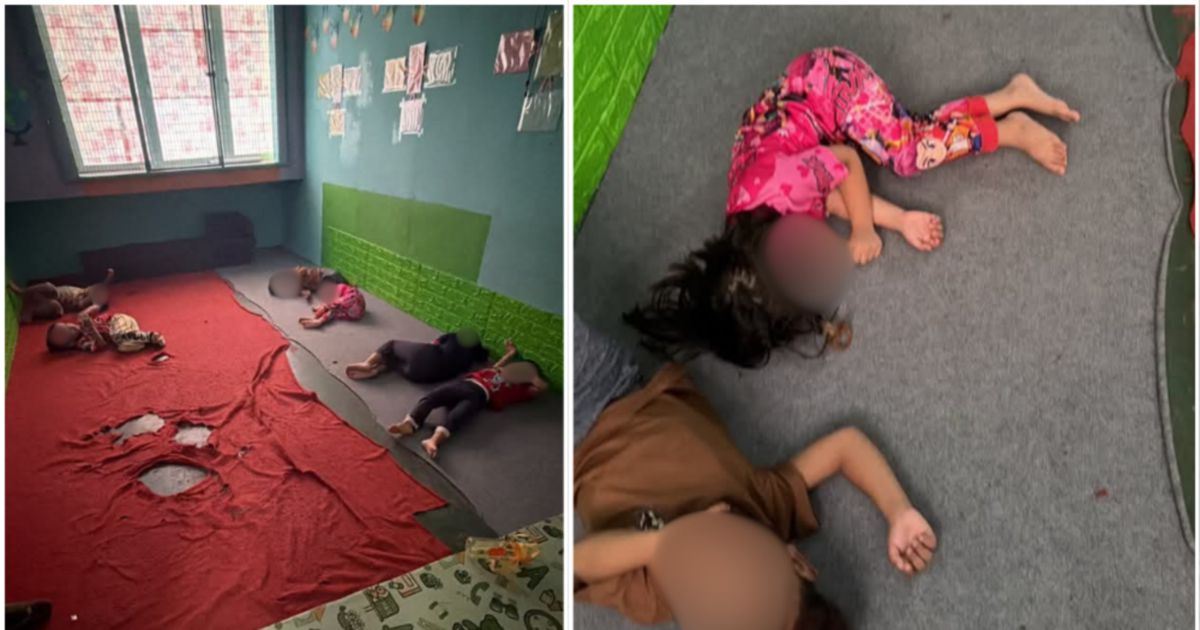
Police in Malaysia have commenced a formal investigation into a childcare facility located in Kuah, Langkawi, after receiving reports of severe mistreatment of children in their care. The allegations include claims that staff members deliberately withheld food from the youngsters and confined them to a toilet as punishment, raising urgent questions about regulatory oversight in the early childhood care sector.
The surfacing of these allegations has triggered immediate scrutiny from law enforcement authorities who are treating the matter as a potential child abuse case. Such reports strike at the heart of parental trust in institutional childcare, an increasingly common arrangement for working families across Malaysia's urban and semi-urban areas. The case underscores the vulnerable position of very young children who cannot advocate for themselves and highlights the critical importance of robust safeguarding protocols within care facilities.
The Kuah facility now faces investigation for allegedly creating an environment where basic standards of care were compromised. Food deprivation constitutes not only physical abuse but also a violation of a child's fundamental right to nutrition and nourishment during crucial developmental years. The additional allegation of confinement suggests a pattern of behaviour aimed at punishing or controlling children through intimidation, tactics wholly incompatible with modern child development practices and international standards for early childhood education.
Malaysia's childcare sector operates across a spectrum of regulation, from government-run centres to private, informal, and home-based care arrangements. While licensing and inspections exist in theory, enforcement can be inconsistent, particularly in states outside the Klang Valley. The Langkawi situation exemplifies the risks that emerge when oversight mechanisms fall short or when facilities operate with insufficient transparency. Parents enrolling children in such centres typically have limited visibility into daily operations, making them dependent on staff integrity and institutional accountability structures.
This investigation is particularly significant for Langkawi, a tourism-dependent destination where many service sector workers rely on childcare solutions to balance employment and family responsibilities. The incident may prompt broader community concern about facility standards across the island and drive conversations about minimum operating requirements, staff training, and inspection frequency. It also highlights disparities between developed urban centres and other regions in terms of regulatory rigour and resource allocation for child welfare services.
The allegations emerge against a backdrop of growing awareness in Southeast Asia regarding child protection standards in institutional settings. Regional neighbours have experienced similar scandals that prompted legislative reforms and strengthened enforcement. Malaysia has frameworks in place, including the Child Act 2001 and various licensing requirements under the Childcare Centres Act 1984, yet implementation gaps persist. The police investigation will test whether existing legal instruments provide adequate remedies and deterrence for facility operators who fail in their duty of care.
Staff training and qualifications represent another crucial dimension. Childcare workers require both technical competence in child development and appropriate temperament for working with young, dependent populations. The alleged behaviour described in these reports suggests either inadequate training, failure to screen for unsuitable personnel, or institutional cultures that tolerate harsh discipline methods. Understanding what precipitated these incidents will inform discussions about mandatory training protocols and psychological fitness assessments for childcare workers.
Parents who have placed their children in the Kuah facility now face distressing uncertainty about their children's treatment and potential psychological or physical impacts. Many will experience guilt, anxiety, and anger—emotions that complicate their ability to support their children through potential trauma. Mental health and welfare services may become necessary for affected families, adding a secondary burden to what should be straightforward childcare provision. Schools and community health networks in Langkawi may need to mobilize resources to support these children and their families.
The investigation process itself will involve gathering evidence, interviewing staff and parents, conducting medical evaluations of the children if necessary, and examining facility records and practices. Police will need to establish intent, duration, and scope of the alleged abuse to determine appropriate charges. The outcome will set precedent for how authorities respond to similar allegations and whether penalties prove sufficiently stringent to deter future violations.
This case carries implications far beyond Langkawi. It reinforces the necessity for parents across Malaysia to remain vigilant about childcare choices, asking probing questions, conducting facility visits, and maintaining open communication with their children about daily experiences. It also signals to policymakers that investment in inspection capacity, staff accountability mechanisms, and whistleblower protections offers genuine returns through child protection. Community awareness campaigns highlighting signs of abuse and available reporting channels could complement formal regulatory mechanisms.
The regulatory response to this investigation will likely influence future enforcement approaches across Malaysia's childcare sector. Authorities may consider whether current penalties are proportionate, whether licensing procedures sufficiently screen operators, and whether inspection intervals allow adequate monitoring. Regional governments may also reassess their own oversight frameworks to identify and address similar vulnerabilities before allegations surface.
As the police investigation unfolds, the experiences of the children involved remain paramount. Establishing what occurred, ensuring no further harm, and providing appropriate support represent immediate priorities. The broader challenge lies in translating this painful incident into systemic improvements that strengthen protections for all young children in formal care arrangements across Malaysia.

