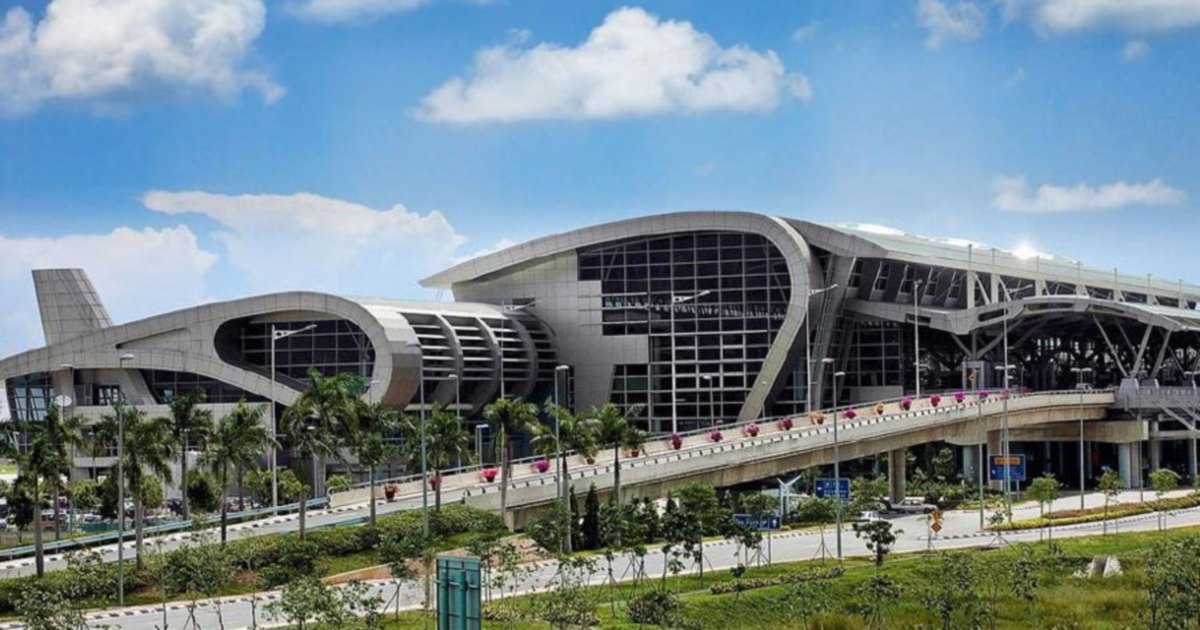
The long-anticipated expansion of Kota Kinabalu International Airport, valued at nearly RM500 million, remains in limbo as federal and state authorities work through a series of unresolved land and site-related complications. Deputy Transport Minister Datuk Hasbi Habibollah indicated that the transformative infrastructure project, intended to boost passenger capacity and economic activity across East Malaysia, cannot proceed to its construction phase until these obstacles are cleared between the federal transport ministry and the Sabah state government.
The project represents a significant commitment to upgrading aviation infrastructure in Malaysian Borneo, a region increasingly important to the nation's economic diversification. Kota Kinabalu International Airport serves as a critical transportation hub for Sabah, connecting the state to regional and international markets whilst facilitating domestic tourism and business travel. The expansion reflects growing recognition that current facilities are straining to meet demand, with passenger volumes recovering strongly in the post-pandemic period and tourism activity rebounding across the state.
Land acquisition and site preparation issues have emerged as the primary bottleneck preventing commencement of works. In Malaysia's federal system, state governments exercise considerable control over land administration within their jurisdictions, and coordinating between federal infrastructure priorities and state-level considerations frequently requires extended negotiation. The complexities intensify when federal transport projects must be reconciled with state development strategies, environmental concerns, and existing land allocations within the Kota Kinabalu airport zone.
The RM500 million investment scale underscores the federal government's determination to strengthen aviation capacity in Sabah, yet also reflects the substantial financial commitment required to address infrastructure bottlenecks in East Malaysia. Such major airport projects typically require phased development, regulatory approvals, and careful coordination with multiple stakeholders including state authorities, airport operators, and regulatory bodies. The financial commitment signals confidence in Sabah's medium-term growth trajectory, particularly given the state's strategic position within the broader Asean economic context.
For regional observers, the delays illustrate familiar challenges in implementing large-scale infrastructure across Malaysia's federal structure. Projects of this magnitude demand seamless cooperation between Putrajaya and state administrations, alignment of timelines and budgets, and resolution of technical matters ranging from environmental impact assessments to land title verification. The Kota Kinabalu project thus offers insight into how federal-state coordination functions when significant capital and economic benefits hang in the balance.
The airport expansion carries implications extending beyond Sabah's borders. Improved aviation infrastructure in East Malaysia strengthens connectivity throughout Borneo and enhances the region's attractiveness to regional and international investors. Enhanced facilities at Kota Kinabalu would facilitate both leisure tourism and business connectivity, supporting the state's aspirations to position itself as a regional gateway. For Malaysian airlines and related service industries, expanded capacity reduces current constraints and opens opportunities for route development and commercial growth.
Sabah's strategic importance to Malaysia's broader development agenda cannot be understated. The state accounts for substantial economic activity in palm oil, forestry, fishing, and increasingly tourism and services sectors. Infrastructure constraints, including aviation capacity limitations, directly constrain economic growth potential. Resolving these land-related impediments represents therefore not merely a bureaucratic exercise but a substantive move toward unlocking greater economic dynamism across Malaysian Borneo.
The Deputy Transport Minister's statement indicates that federal authorities are actively engaged with Sabah counterparts to navigate outstanding complications. Such diplomatic and administrative engagement, whilst sometimes protracted, typically precedes major federal projects in Malaysian states. The process reflects established protocols for coordinating land access, though observers note that timelines for resolving such matters can stretch across months or even years depending on complexity and stakeholder consensus requirements.
Beyond the immediate project scope, the RM500 million KKIA expansion exemplifies federal investment patterns in East Malaysia. Federal governments have periodically prioritised transport infrastructure upgrades in Sabah and Sarawak, recognising that geographic distance and historical infrastructure gaps create competitive disadvantages. Airport capacity, in particular, shapes regional development potential by facilitating trade, tourism mobility, and business connectivity. Strategic investments in aviation infrastructure thus carry multiplier effects throughout regional economies.
The resolution of land issues will likely involve establishing clear protocols for site access, coordinating any necessary land transfers or compensations, and ensuring that state environmental and development regulations align with federal project specifications. Such processes typically require engagement at both ministerial and technical levels, with legal frameworks and established precedents guiding negotiations. Once resolved, construction can proceed more rapidly, allowing the airport operator to execute the expansion according to planned timelines.
Looking forward, the successful completion of these preliminary negotiations will set an important precedent for future federal-state infrastructure projects in East Malaysia. As Malaysia seeks to strengthen its competitive position regionally, improving transportation connectivity becomes increasingly vital. Kota Kinabalu's expansion therefore merits priority attention from both federal and state authorities, recognising the broader economic implications of delays. The project's eventual completion will enhance Sabah's positioning as a regional hub whilst demonstrating effective federal-state collaboration on shared development priorities.

