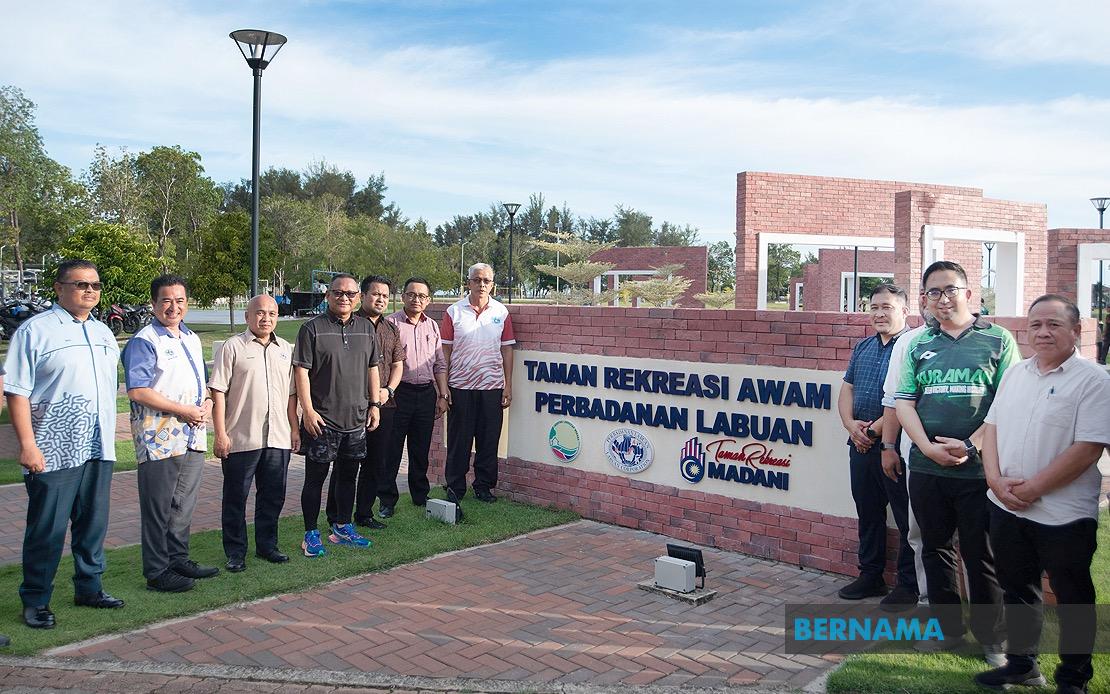
The federal territory of Labuan has taken a significant step toward enhancing its public amenities with the official opening of the Labuan Public Recreation Park at Tanjung Purun, marking the completion of a RM495,382 modernisation project funded through the Madani Recreation Park initiative. The transformation of what was previously the underutilised LDA Field represents a strategic investment in community infrastructure, reflecting broader efforts across Malaysia to create accessible spaces where residents can engage in physical activity and social connection.
Rithuan Ismail, chief executive officer of Labuan Corporation, emphasised during the opening ceremony that the park embodies the organisation's vision for fostering healthier lifestyles and stronger community bonds. The facility has been deliberately designed to serve people across all age groups, from young children to seniors, ensuring that the investment benefits the entire demographic spectrum rather than catering to a narrow user base. This inclusive approach aligns with national public health objectives that recognise the importance of accessible exercise infrastructure in combating sedentary behaviour and lifestyle-related diseases.
The decision to develop this particular site reflected careful urban planning considerations. Officials selected the Tanjung Purun location because of its prominence in the town centre, which increases visibility and encourages foot traffic from residents and visitors alike. The strategic positioning also meant minimal land ownership complications, allowing the project to proceed without protracted negotiations that could have delayed its completion. Additionally, the site offered adequate space to accommodate multiple recreational features while maintaining a welcoming, open design that does not feel cramped or poorly allocated.
Prior to the upgrade, the area had fallen into disrepair and underutilisation despite its prime location. Inadequate lighting made evening visits unsafe, while ageing casuarina trees created hazards for users. The recreational facilities that existed were outdated and limited in scope, failing to meet contemporary expectations or the needs of a growing population seeking places to exercise and relax. These deficiencies had essentially rendered the space invisible to the community, demonstrating how poor conditions can waste valuable public assets regardless of their location.
The completed park now incorporates several key features designed to accommodate diverse recreational needs. An 800-metre jogging track provides a measured circuit for runners and walkers, while concrete seating areas offer spaces for rest, socialising, and observation. An outdoor fitness gym with equipment for strength training and bodyweight exercises addresses the growing demand for affordable alternatives to private gym memberships. A welcoming garden component adds aesthetic value and creates an inviting atmosphere that encourages extended visits rather than quick, functional use.
Evening usage has already emerged as a prominent feature of the park's operation, with residents taking advantage of improved lighting to exercise and socialise after work hours. This temporal shift is significant for a tropical climate where daytime heat often discourages physical activity, making well-lit evening spaces particularly valuable for public health. The transformation from a neglected area to a bustling evening destination within days of opening suggests strong latent demand for such facilities in Labuan.
Plans for further expansion demonstrate Labuan Corporation's commitment to incremental improvement rather than treating the opening as a final endpoint. Three open courts for pickleball and sepak takraw are scheduled for completion by year's end, adding structured recreational options that appeal to competitive players and casual enthusiasts alike. Sepak takraw, a traditional Southeast Asian sport, carries cultural significance beyond its recreational value, helping preserve and promote regional sporting heritage while attracting visitors interested in experiencing local athletic traditions.
The funding mechanism through the National Landscape Department under the Ministry of Housing and Local Government situated this project within a broader national framework, suggesting that similar initiatives may be underway or planned for other communities across Malaysia. This systemic approach to public space improvement, rather than isolated ad-hoc projects, indicates growing recognition that recreational infrastructure represents essential public investment comparable to transportation or utilities.
Community stewardship emerged as a critical concern in official messaging, with Rithuan calling on residents to take responsibility for maintaining the facilities. This emphasis reflects awareness that infrastructure deteriorates rapidly without public buy-in and consistent maintenance protocols. Successful parks depend not only on initial investment and design but on an ongoing relationship between management authorities and users who must respect shared resources. The appeal to community responsibility suggests Labuan Corporation recognises that lasting success requires cultural shifts in how residents perceive and interact with public spaces.
The park's development carries implications beyond Labuan itself, offering lessons for other Malaysian municipalities grappling with deteriorating public spaces and insufficient recreational infrastructure. The project demonstrates that transforming neglected sites into vibrant community assets remains achievable through coordinated planning, adequate funding, and thoughtful design that prioritises accessibility and inclusivity. As Malaysia continues urbanising and populations grow more sedentary, investing in parks like Labuan's recreation facility becomes increasingly crucial for public health outcomes and community cohesion.