Kuala Lumpur City Hall (DBKL) is embarking on a comprehensive governance overhaul, having implemented 16 reform initiatives within the past six months in response to a strikingly poor performance in the Public Service Corruption Ranking. The city authority scored a mere 0.08 per cent out of a possible 5 per cent allocation under the 2025 Local Authority Star Rating System, a result that prompted drastic action to restore public confidence in municipal administration.
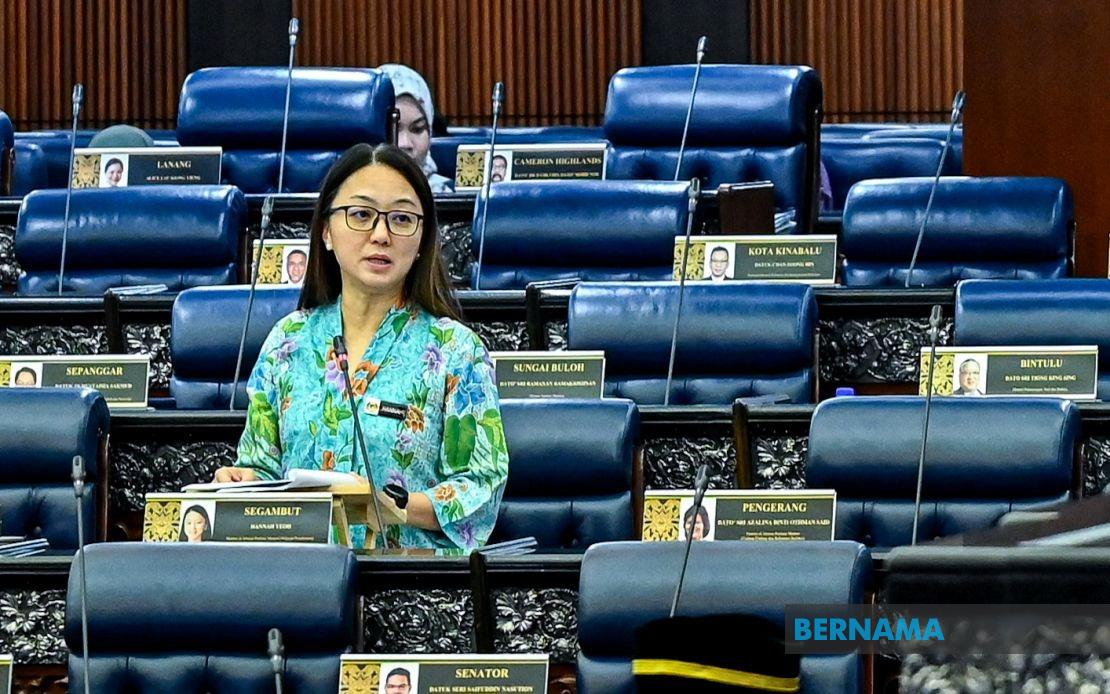
Minister in the Prime Minister's Department (Federal Territories) Hannah Yeoh disclosed the scale of DBKL's accountability problems and the remedial measures now underway. The alarming rating prompted leadership to acknowledge fundamental deficiencies in the organisation's administrative framework and its approach to service delivery. The crisis became the impetus for a structured transformation programme designed to rebuild institutional integrity from the ground up.
The genesis of the reform agenda traces back to an engagement session held on March 2 with Federal Territory Members of Parliament, which subsequently triggered a diagnostic study by the International Islamic University Malaysia (IIUM). This independent review identified four strategic pillars for institutional strengthening: bolstering administrative processes, improving governance standards, reinforcing integrity mechanisms, and enhancing service quality. The recommendations proved sufficiently compelling that DBKL management committed to systematic implementation across the organisation.
Central to the reform effort is addressing five specific procedural vulnerabilities flagged by the Malaysian Anti-Corruption Commission (MACC). These weaknesses encompassed the management of a radio broadcast content production initiative, allocation protocols for Ramadan Bazaar trading spaces, oversight of business licensing service contracts, governance structures governing the Malaysian Statutory Bodies Association Sports Championship, and rental collection systems for public housing projects under DBKL's purview. Each area represented a potential vulnerability to corrupt practice, and all have now become subject to tightened controls and enhanced transparency requirements.
One significant structural change involves dismantling the Special One Stop Centre (OSC) Committee, a move designed to establish clearer separation of powers and insulate development decisions from political influence. Complementing this shift, DBKL has granted all Federal Territory MPs access to the OSC 3.0 Plus Portal, a digital platform enabling legislators to review pending development applications and register formal recommendations with the mayor before approvals are granted. This transparency mechanism represents a meaningful constraint on executive discretion and creates an audit trail for major decisions.
Financial controls have been substantially tightened as part of the integrity agenda. The mayor's unilateral authority to approve contributions has been capped at RM3,000, with all larger disbursements requiring scrutiny and approval by the Top Management Committee. This threshold represents a deliberate shift away from centralised individual authority toward collective decision-making structures, reducing opportunities for patronage or nepotism to influence municipal spending.
The institutional architecture has been substantially rebuilt through the creation of three new oversight bodies: an Audit Committee no longer chaired by the mayor, a Governance and Integrity Committee, and a Mayor's Contributions Committee. These structures represent classic governance safeguards designed to create internal checks and balances. The deliberate removal of mayoral chairmanship from the Audit Committee signals recognition that concentrating both executive authority and audit oversight in a single individual creates perverse incentives and undermines accountability.
Beyond structural changes, DBKL has instituted personnel management reforms aimed at reducing opportunities for corruption. Job rotation for officers occupying sensitive posts has been introduced, limiting the duration any individual can control access to vulnerable processes. The authority is also phasing in body-worn cameras for staff interactions, beginning in the fourth quarter of this year, creating an objective record of official conduct and discouraging inappropriate behaviour.
Digitalisation forms a cornerstone of the transparency strategy, reflecting international best practice in combating municipal corruption. As of July, DBKL has launched 170 online application services, with targets set to reach 180 end-to-end digital services by year's end and complete computerisation of all applications by 2030. This systematic move away from paper-based processes and human intermediation removes opportunities for informal payments and discretionary abuse. The integrated e-Lesen licensing system has eliminated reliance on service runners, a category historically associated with bribery and kickbacks.
Licensing procedures themselves have been reformed, with the new three-year renewal validity period taking effect on July 1 streamlining compliance for business operators while reducing frequency of interaction with municipal officials—an indirect anti-corruption benefit. The integration of e-Lesen with the Departmental Enforcement System (SPJ) creates automated coordination between licensing and compliance functions, reducing scope for selective enforcement or preferential treatment.
The broader narrative here reflects institutional learning at the municipal level, where DBKL's leadership has clearly internalised the message that governance standards directly affect public trust and political legitimacy. The low corruption rating, rather than being dismissed or minimised, became a catalyst for comprehensive restructuring. Minister Hannah Yeoh's framing of the reforms as a shift from individual-centric to system-based decision-making identifies the fundamental cultural change required—moving from personal authority to institutional processes as the foundation of administrative legitimacy.
For Malaysian readers and observers across Southeast Asia, DBKL's predicament and remedial response carry several instructive dimensions. First, it demonstrates that anti-corruption rankings can trigger genuine institutional change when combined with political will and transparency mechanisms. Second, the reforms underscore that digitisation and structural checks represent proven tools for reducing vulnerability to corrupt practice at the local government level. Third, the explicit involvement of elected representatives (MPs) in oversight of municipal decisions reflects growing recognition that municipal governance cannot function in isolation from legislative scrutiny. Whether these reforms prove durable and effective will likely serve as a barometer for the broader success of Malaysia's anti-corruption agenda at local government level.

