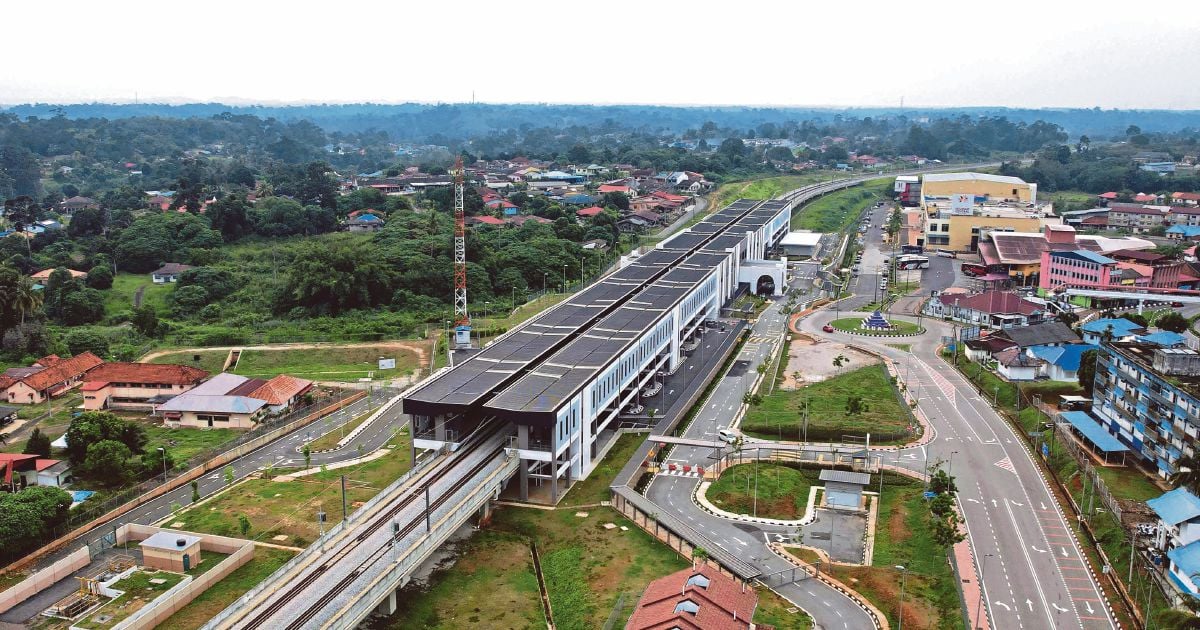
Malaysia's state railway operator, Keretapi Tanah Melayu Berhad (KTMB), is mobilising significant additional transport capacity to support voter participation in the Johor state election this weekend. The operator plans to deploy extra Electric Train Service (ETS) trains on its southern corridor, making available 7,464 additional seats to accommodate the anticipated surge in passenger demand. This represents a substantial expansion of regular service levels designed specifically to assist voters from across the region reach their designated polling locations.
The initiative reflects growing recognition among Malaysian public institutions that infrastructure capacity can directly impact electoral turnout. By reducing barriers to voting through enhanced transport accessibility, KTMB is addressing a practical challenge that often constrains voter mobility, particularly among citizens living outside their constituency boundaries who must travel to vote. The move aligns with broader democratic enablement goals and demonstrates coordination between state authorities and transport providers ahead of significant electoral events.
Complementing the increased train capacity is an attractive fare incentive programme targeting registered voters in Johor. KTMB is offering a 20 percent discount on ETS fares for qualified passengers, substantially lowering the cost of travelling by rail during the election period. This financial support effectively removes a transportation cost hurdle that might otherwise deter voters, particularly those from lower-income backgrounds for whom even modest travel expenses represent meaningful budget considerations. The discount applies across the electoral period, ensuring accessibility extends throughout voting day.
The southern corridor ETS network, which connects major population centres across Johor and extending northward, represents one of Malaysia's most utilised rail routes. Its strategic importance lies in linking towns like Johor Bahru, Kota Tinggi, Kluang, and beyond, serving both regular commuters and longer-distance passengers. During normal operations, the network operates at considerable capacity, and electoral periods historically generate additional demand as voters travel from workplaces or temporary residence locations to their registered voting constituencies. KTMB's proactive capacity planning demonstrates anticipation of these predictable demand patterns.
The logistics of executing this expanded service require coordination across multiple operational domains. Train scheduling must be adjusted to accommodate additional services without disrupting regular commercial timetables serving non-voters and essential business needs. Maintenance windows must be strategically managed, and staffing levels increased to operate supplementary trains safely and reliably. Station infrastructure at both major and smaller stops requires preparation for handling higher passenger volumes, from ticketing procedures to platform crowd management.
From a policy perspective, this initiative represents a meaningful commitment to reducing friction in the voting process. Democratic participation depends not merely on political will but on practical enablement of the voting act itself. Transportation barriers have long been recognised as a factor affecting turnout, with studies across democracies showing that accessibility improvements correlate with increased electoral participation. By addressing this dimension proactively, KTMB contributes to broader democratic health in Malaysia.
The discount programme carries additional significance for Johor's economic demographics. The state encompasses both urban centres and sprawling rural and semi-rural areas where personal vehicle ownership may be less universal and public transport reliance consequently higher. Enhancing rail accessibility disproportionately benefits these communities, helping equalise voting accessibility across different socioeconomic and geographic segments of the electorate. This targeted support thus has redistributive democratic implications beyond simple capacity expansion.
From a business operations standpoint, this arrangement may also generate positive externalities for KTMB itself. The surge in rail travel during the election period, even with discounted fares, represents significant passenger volumes that help utilise existing fleet capacity and operational infrastructure. This concentrated usage pattern, while temporary, demonstrates demand elasticity and might inform longer-term strategic planning regarding service frequency and pricing across the network.
For voters across Johor, the combined effect of expanded capacity and reduced fares significantly improves the practical circumstances of electoral participation. Someone who might previously have faced transport constraints or costs now confronts substantially fewer obstacles to reaching the polling station. This matters particularly for citizens who work outside their voting constituency, migrants who have not yet permanently relocated, and others whose geographic circumstances would otherwise complicate voting logistics.
The election itself comes amid ongoing political dynamism in Johor, a state whose electoral outcomes carry significance for broader Malaysian political alignments. Ensuring robust voter participation, particularly among voters who face logistical challenges, contributes to electoral legitimacy and reflects the democratic principle that voting access should not depend on personal transportation resources or logistical sophistication.
KTMB's initiative sits within a broader Malaysian context of institutional adaptation to democratic processes. As the country continues refining its electoral infrastructure and support mechanisms, moves like these from public service providers demonstrate evolving understanding that democratic institutions must actively facilitate participation rather than merely permit it. The coordination between transport providers and electoral authorities suggests maturing institutional practices around election management and voter support.

