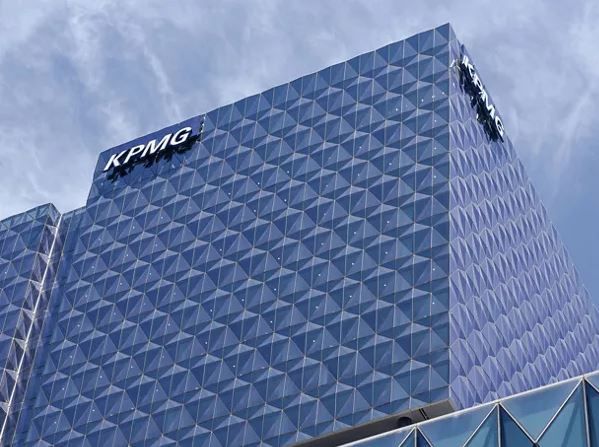
The leadership crisis at KPMG Australia has deepened with the resignation of Chairman Martin Sheppard and two prominent audit partners, Paul Rogers and Eileen Hoggett, in response to a damaging whistleblower scandal that has exposed serious breaches in professional conduct. The departures, announced on Tuesday, represent the third wave of senior exits from the Big Four firm as it grapples with allegations that it improperly accessed confidential materials belonging to major clients to gain competitive advantage in securing lucrative audit contracts.
The whistleblower allegations centre on KPMG's handling of confidential board papers from Lendlease, a major Australian real estate firm, which the firm allegedly weaponised to bolster its bids for significant audit tenders. This accusation strikes at the heart of professional ethics in auditing, where client confidentiality forms the bedrock of the relationship between auditors and the organisations they scrutinise. The revelation has triggered investigations by Australia's corporate regulator and fundamentally undermined trust in one of the world's most prominent accounting firms.
Interim Chief Executive Stan Stavros issued a carefully worded statement acknowledging the firm's failure to uphold professional standards. His comment that "we did not meet the standards expected of us" represents a significant admission of institutional shortcoming, while his recognition of the harm caused to the whistleblower, employees, clients, and the broader community reflects the widespread reputational damage the scandal has inflicted. The departures of Sheppard, Rogers, and Hoggett follow the earlier resignations of KPMG Australia's Chief Executive and audit division chief, signalling a thorough housecleaning at the executive level.
Rogers and Hoggett held particularly sensitive positions in the organisational structure, having served as lead partners on the Lendlease audit team directly implicated in the misconduct. The whistleblower's March allegations specifically named both partners, placing them at the epicentre of the investigation and making their continued tenure increasingly untenable. Their roles meant they bore direct responsibility for oversight of the audit engagement where the alleged misuse of confidential information occurred, and their presence would have become an ongoing symbol of the firm's governance failures.
The regulatory investigation into the pair, being conducted by Australian corporate authorities, adds another dimension to the crisis. Such investigations can extend beyond individual culpability to examine systemic weaknesses in the firm's compliance frameworks, risk management processes, and internal controls designed to prevent precisely this type of breach. For KPMG Australia, the regulatory scrutiny poses existential risks, potentially resulting in substantial financial penalties, restrictions on audit work, or reputational consequences that could take years to overcome.
KPMG's response to the scandal includes structural governance reforms intended to restore confidence and demonstrate genuine commitment to preventing recurrence. The firm announced it would recruit an independent chairman to lead its Australian operations, a significant symbolic shift from internal leadership that failed to prevent or adequately address the misconduct. Additionally, the board will be expanded to include independent members, a move designed to introduce external oversight and reduce the concentration of power among long-serving insiders who might overlook ethical breaches or become inured to governance shortcuts.
The scandal carries particular relevance for Malaysian and Southeast Asian firms that engage with the Big Four accounting firms for audit services and financial advisory work. It underscores the importance of robust contractual protections, clear confidentiality agreements, and monitoring mechanisms when engaging international audit firms. Companies in the region should reassess how they share sensitive board-level information with auditors and establish clear protocols for information access and use restrictions.
Beyond the individual circumstances of the KPMG case, the episode illuminates broader vulnerabilities in the auditing profession globally. The ability of audit firms to leverage confidential client information for business development purposes suggests that existing ethical frameworks and internal controls may contain significant gaps. For regulators across Southeast Asia, the case provides a cautionary lesson about the necessity of ongoing supervision of major professional firms, particularly given their systemic importance to capital market integrity and corporate governance.
The resignation of multiple senior figures, while necessary for accountability, also raises questions about institutional culture at KPMG Australia. Whether the misconduct reflected individual lapses in judgment or stemmed from systemic pressure to win business through any available means will likely become clearer as regulatory investigations progress. The distinction matters considerably for assessing whether governance reforms alone will suffice or whether deeper cultural transformation is required.
For other major audit firms operating in Australia and the region, the KPMG scandal serves as both warning and opportunity. It demonstrates that regulators and the public now take seriously breaches of auditor independence and confidentiality, and that enforcement consequences extend to senior leadership. Simultaneously, it may enhance the reputational positioning of competitors who can credibly demonstrate stronger governance and ethical standards. The Australian market and Southeast Asia's increasingly sophisticated corporate governance environment will likely see intensified scrutiny of audit firm practices in coming months.