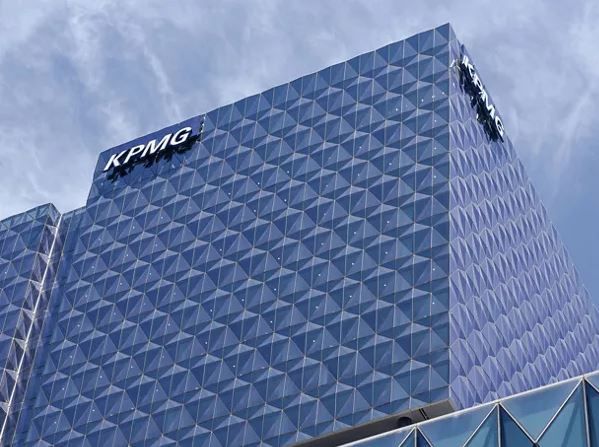
KPMG Australia has appointed Michael Ebeid as its inaugural independent chairman in a bid to stabilise the firm following a damaging confidential information leak scandal. The announcement comes just days after the consulting giant announced that its previous chairman and two other senior partners would depart as the organisation pursues a comprehensive governance reset. The move represents an attempt to restore stakeholder confidence after internal investigations revealed that staff had inappropriately accessed confidential client documents from real estate firm Lendlease to support competitive audit bids.
The appointment immediately drew fire from Australian parliamentarians, who questioned whether Ebeid's selection truly represents the independent oversight the firm requires. Critics contend that his previous involvement with KPMG since 2024, both as an adviser to the national board and subsequently as a member of the Asia-Pacific board, creates an inherent conflict of interest rather than providing the arms-length scrutiny the organisation desperately needs. The controversy highlights the difficulty major professional services firms face in convincing regulators and the public of genuine reform efforts when leadership transitions involve figures already embedded within their power structures.
Ebeid, a former chief executive of public broadcaster SBS, has stated that his primary objective is to strengthen board independence and embed integrity throughout the firm's operations. He has committed to accelerating the recruitment process for a new chief executive officer, with the board targeting a formal appointment before the end of July. In a public statement, Ebeid emphasised his confidence that KPMG can recover from its current difficulties and emerge as a stronger organisation, framing his role as central to driving the cultural and governance transformations necessary to rebuild client and community trust.
The scandal that precipitated this leadership restructuring became public in March when Senator Deborah O'Neill, a member of the ruling Labor Party, invoked parliamentary privilege to disclose allegations raised by a former senior executive. The whistleblower had originally brought concerns to KPMG management in 2024, claiming that staff had misused confidential board-level documents during competitive tender processes. KPMG's handling of this initial complaint proved inadequate, forcing the firm to launch a fourth formal investigation after three previous internal reviews failed to substantiate the allegations. The escalating nature of these investigations reflects poorly on the firm's investigative processes and internal accountability mechanisms.
Parliamentary documents released alongside news of Ebeid's appointment contained email correspondence that appears to undermine claims about his independence. In messages sent after O'Neill publicly raised the allegations, Ebeid characterised the senator's actions as both inappropriate and unfair, while contending that many of her factual assertions were entirely false. Specifically, Ebeid disputed the timeline of events provided by the whistleblower, suggesting that the former executive's account lacked accuracy. These communications reveal not merely passive knowledge of the scandal but active engagement with KPMG's defensive posture, raising legitimate questions about whether an individual who has already formed substantive views on the matter can credibly serve as an independent oversight figure.
For Malaysian readers and Southeast Asian professionals, the KPMG situation carries particular significance given that the Big Four accounting firms—KPMG, Deloitte, PwC, and EY—maintain substantial regional operations and influence across Asia-Pacific financial markets. The governance failures and cultural weaknesses exposed in Australia have direct implications for professional standards and client protection across the region. Malaysian clients and regulators must consider whether similar weaknesses might exist within Big Four entities operating locally, and what mechanisms exist to detect and remediate comparable misconduct in the Malaysian context.
Barbara Pocock, a Greens Party senator serving on the parliamentary committee investigating the scandal, articulated the most forceful objection to Ebeid's appointment. She characterised the decision as a textbook conflict of interest and argued that the disclosed email communications demonstrated his substantial familiarity with internal KPMG dynamics and preconceived positions regarding the whistleblower allegations. Pocock contended that appointing someone so deeply connected to the firm's institutional culture would likely entrench rather than challenge the problematic attitudes that spawned the scandal. In her assessment, the appointment failed basic ethical standards for independent governance oversight.
The broader context of KPMG's difficulties extends beyond a single scandal. Australia's centre-left Labor government announced one day after the Ebeid appointment that it is actively considering structural reforms to the Big Four accounting model, potentially including mandatory divestiture requirements. This consideration reflects accumulated frustration with repeated scandals across major audit firms and implies that regulators increasingly view the current concentrated market structure as incompatible with adequate professional standards and client protection. For Southeast Asian regulatory bodies contemplating their own approaches to audit firm governance and market concentration, the Australian government's willingness to contemplate radical structural reforms signals that incremental governance adjustments may no longer satisfy public expectations.
The timing of Ebeid's appointment alongside announcements of potential Big Four restructuring creates a precarious situation for KPMG's rehabilitation efforts. The firm risks appearing tone-deaf to legitimate governance concerns if it promotes someone with substantial prior connections to the organisation as the face of independent reform. Investors, clients, and regulators may interpret the appointment as evidence that KPMG's leadership genuinely does not comprehend why external stakeholders view such decisions as insufficient responses to systemic cultural failures. Whether Ebeid's subsequent actions and decisions as chairman can overcome this reputational liability remains uncertain.
KPMG declined to immediately respond to parliamentary criticism or provide further elaboration on the appointment decision. This silence suggests the firm may be adopting a defensive posture rather than proactively addressing legitimate concerns about the credibility of its reform efforts. For Malaysian businesses and regulatory authorities monitoring the firm's performance, the relative lack of transparency and engagement with critics represents another worrying signal about institutional attitudes toward accountability. The coming months will reveal whether the newly appointed chairman can genuinely function as an independent reformer or whether his appointment merely perpetuates the insular decision-making patterns that contributed to the scandal's emergence.

