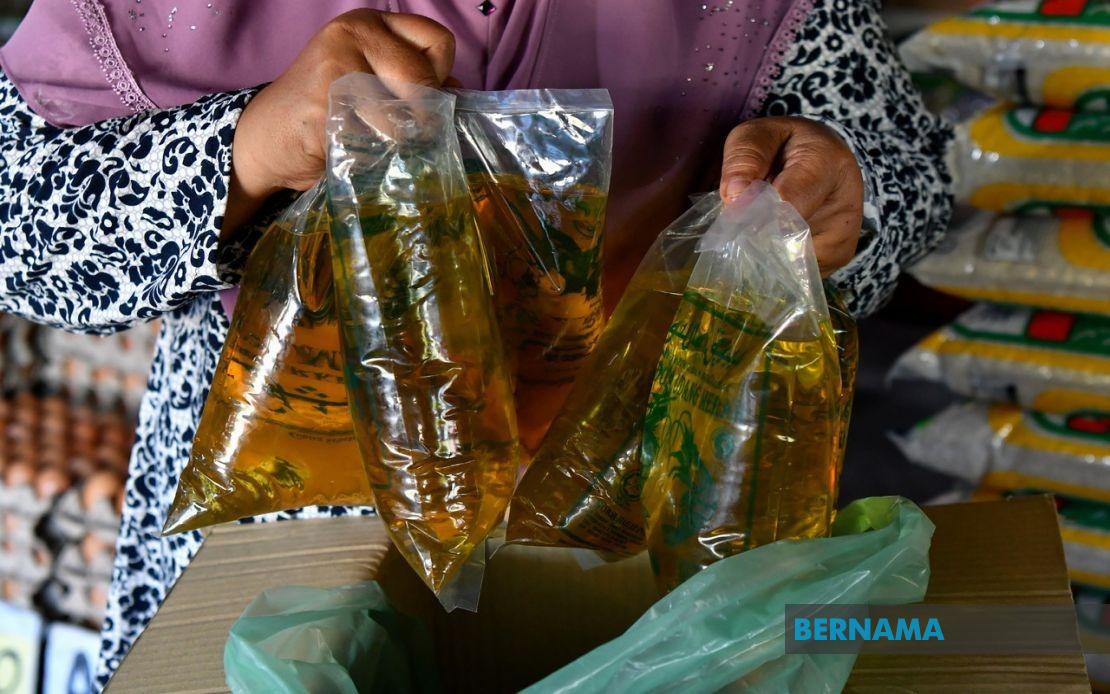
Malaysia's effort to reform its cooking oil subsidy system is entering a critical phase following parliamentary scrutiny. The Domestic Trade and Cost of Living Ministry (KPDN) has signalled its readiness to examine recommendations from the Public Accounts Committee (PAC) presented in the Dewan Rakyat on July 16, aimed at strengthening price controls and plugging losses in one of the government's most costly social programmes. Minister Datuk Armizan Mohd Ali emphasised that the ministry welcomes the PAC's findings in Report DR. 27 of 2026, viewing them as opportunities to consolidate ongoing reform efforts rather than departures from existing strategy.
The centrepiece of KPDN's modernisation drive is the Cooking Oil Stabilisation Scheme System, or eCOSS, a digital framework designed to replace manual tracking and prevent the diversion of subsidised supplies intended for ordinary Malaysian consumers. Development of the system commenced in 2023, but the government is proceeding cautiously with a two-phase rollout. The first involves gradual integration across the entire supply chain—from refineries to repackers to retailers—while the second centres on expanding reach through the eCOSS Mobile Application, which started pilot testing in May 2025. This measured approach reflects the complexity of transforming an entrenched system serving thousands of commercial actors across the peninsula.
The digital transformation addresses a persistent headache for policymakers: subsidy leakages that divert assistance away from intended beneficiaries. By digitising transactions and shifting from paper-based record-keeping, eCOSS aims to create an audit trail that makes manipulation significantly more difficult. Armizan explained that the system functions as part of a comprehensive risk management architecture designed to prevent falsification of inventory records and unauthorised appropriation of supplies. When fully operational, the platform will log each transaction, creating visibility that pen-and-paper systems cannot provide, though critics note that technological solutions alone cannot cure corruption rooted in institutional cultures.
An upcoming enhancement to eCOSS will integrate identity verification through QR code scanning, leveraging a new identity card format being rolled out by the National Registration Department. This refinement carries particular significance for targeted distribution, as it will enable the system to identify and reject purchases by foreign nationals who are ineligible for subsidised cooking oil under Malaysian policy. Such a mechanism addresses longstanding complaints that foreign workers and migrant labourers have exploited the subsidy, purchasing controlled-price cooking oil for resale or personal consumption, thereby inflating demand and diverting supplies from citizens. The combination of digital tracking and biometric verification represents an evolution beyond earlier manual enforcement attempts that proved labour-intensive and inconsistently applied.
Beyond digital solutions, KPDN is considering the PAC's recommendation to redistribute cooking oil refining quotas in favour of locally-owned companies, a move that touches on industrial policy and competitive dynamics in the sector. The ministry acknowledged that since the Cooking Oil Stabilisation Scheme was first launched, the government has not imposed formal quota systems on refineries. Instead, repackers—the middlemen who purchase from refineries and portion oil into retail-sized packets—have wielded substantial purchasing power, selecting suppliers based on logistics costs, credit terms, pricing, sustainable supply capacity, and warehouse proximity. This market-driven selection has favoured larger, more efficient operators, some of which are foreign-owned or foreign-controlled, raising concerns that local refineries lack adequate outlets and that foreign firms dominate strategic supply links.
To rebalance the competitive landscape, KPDN intends to phase in measures encouraging repackers to source from locally-owned refineries. These interventions include quota replacement requirements—obligating repackers to allocate a proportion of purchases to local firms—and business matching mechanisms that broker connections between domestic refiners and repacking companies. Such measures represent a more sophisticated approach than blunt prohibition, recognising that repackers require reliable supply and favourable commercial terms. By creating structured forums and incentive structures rather than issuing directives, KPDN aims to build sustainable relationships between local refiners and downstream users. However, success depends on whether local refineries can compete on cost and reliability; if they cannot, the measures risk creating inefficiencies that ultimately burden consumers or the budget.
The ministry has also implemented complementary controls to tighten subsidy administration. Prohibiting the sale of one-kilogramme packets to non-citizens directly restricts access for foreign buyers, as smaller package sizes are typically favoured by individual consumers rather than commercial bulk purchasers. Integration of eCOSS with the Sumbangan Asas Rahmah (SARA) system—Malaysia's comprehensive cash assistance programme—enables cross-referencing of beneficiary status and eligibility, reducing the risk of duplicate or fraudulent claims. These layered measures demonstrate that subsidy reform requires coordination across multiple government systems rather than isolated interventions in any single programme.
Armizan stressed that KPDN's examination of PAC recommendations builds on multiple recent reviews of the cooking oil subsidy framework. In July 2025, the National Audit Department completed an audit report that identified weaknesses and opportunities for enhancement. The PAC report, drawing on both auditor findings and parliamentary inquiry, synthesises those observations with policy analysis and international best practice. By cross-referencing findings from the internal review, the National Audit Department, and the PAC, KPDN can triangulate insights and distinguish systemic issues from isolated lapses, shaping a more coherent reform roadmap.
Enforcement remains a critical variable determining whether technical and administrative improvements translate into actual subsidy savings. Datuk Armizan reaffirmed the ministry's commitment to stringent action against refinery operators, repackers, wholesalers, retailers, and other supply chain actors found to have violated regulations. Previous enforcement efforts have been inconsistent, partly due to limited resources and partly because violations often occur in opaque transactions difficult to detect without sophisticated monitoring. As eCOSS matures and generates real-time data on suspicious trading patterns, enforcement agencies should enjoy sharper visibility into potential breaches, enabling more precise targeting of investigations and prosecutions. The political will to pursue enforcement against well-connected business actors remains uncertain, however, and this variable may ultimately determine whether subsidy reforms genuinely reduce leakages or merely create an appearance of control.
For Malaysian consumers and businesses, the implications extend beyond the cooking oil market itself. Cooking oil is a staple ingredient whose controlled price anchors food inflation expectations and shapes household budgeting, particularly among lower-income families. A reformed subsidy system that genuinely prevents leakages could eventually support lower prices or more sustainable fiscal costs, freeing government resources for other priorities. Conversely, if reforms prove merely cosmetic and leakages persist, continued subsidy bills may eventually force either sharper price increases or cuts to other programmes. For the business community, particularly local refineries and smaller repackers, the quota redistribution measures offer potential opportunities but also require adaptation to new regulatory frameworks. The integration of identity verification and digital transaction logging may initially impose compliance costs on retailers, though these should diminish as the system stabilises and becomes routine.
Regionally, Malaysia's cooking oil subsidy reform warrants attention from neighbouring countries facing similar challenges. Indonesia, the world's largest palm oil producer, has grappled with subsidy leakages and illegal exports of controlled cooking oil, and its policymakers may observe lessons from Malaysia's digital approach. Thailand and Vietnam, which have experimented with various subsidy models, could benefit from studying how Malaysia balances targeted assistance with competitive supply-chain dynamics. The PAC recommendations and KPDN's response thus represent not merely domestic governance matters but contributions to a broader regional conversation about subsidy design and management in a region heavily dependent on palm oil and committed to controlling household food costs.
The coming months will reveal how thoroughly KPDN implements the PAC recommendations and whether the ministry's multi-layered approach—combining digital technology, quota policy, enforcement, and eligibility verification—delivers the promised reduction in leakages. Success would validate the patience with phased rollouts and careful policy design; failure would likely trigger demands for more drastic reforms, including the possibility of price decontrol or universal cash transfers as alternatives to in-kind subsidies. For now, KPDN's explicit welcome of PAC scrutiny and commitment to examining recommendations represents a positive signal that the ministry recognises reform as both urgent and ongoing, rather than a completed task.

