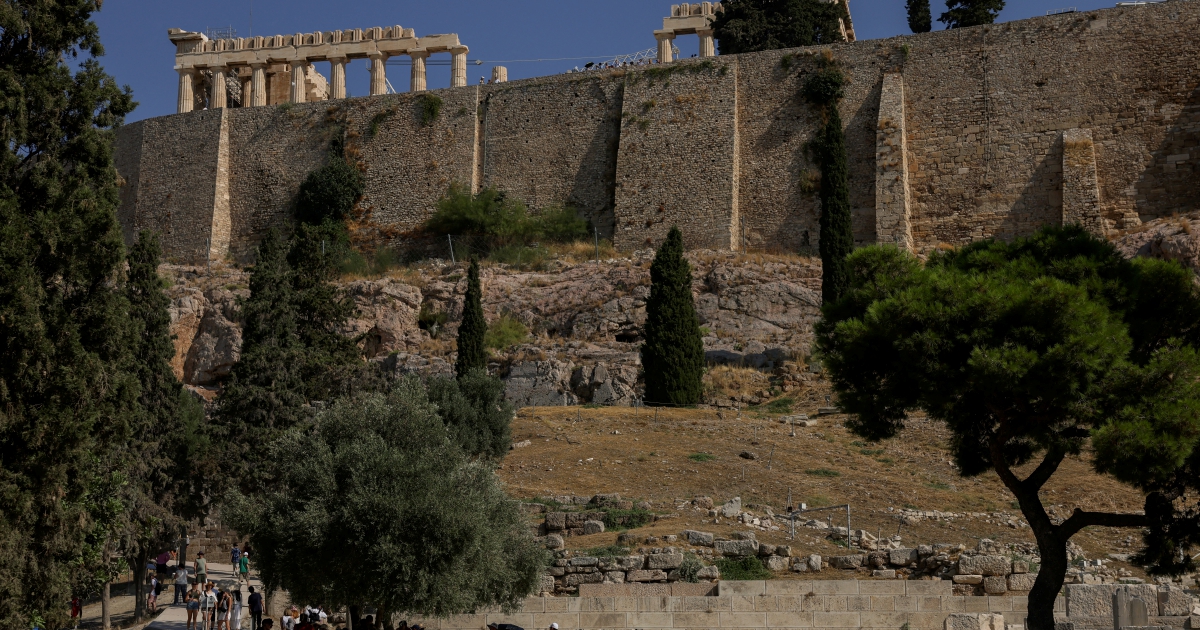
Security measures at one of the world's most iconic archaeological destinations came under scrutiny following an incident on Tuesday in which a 60-year-old man wielded a knife against two American tourists of Greek descent near the Acropolis in Athens. Police responded swiftly to apprehend the suspect, but the attack has reignited debate about visitor safety at the ancient monument complex that draws millions of international travellers annually.
The Acropolis, home to the Parthenon and other classical treasures that define Western civilisation's architectural legacy, sits at the heart of Athens' tourism economy. The area surrounding the archaeological site functions as a nexus of cultural pilgrimage, educational tourism, and commercial activity, with narrow streets, numerous vendors, and dense foot traffic characterising the district. This very accessibility that makes the Acropolis a must-visit destination for international tourists also creates inherent security challenges that authorities continuously grapple with managing effectively.
Incidents of this nature, while not routine, underscore the vulnerability of open public spaces that prioritise visitor access and cultural preservation over fortress-like containment. The Greek authorities face the perpetual balancing act between maintaining the welcoming atmosphere essential for heritage tourism and implementing security protocols robust enough to prevent violent incidents. The Acropolis receives approximately four million visitors annually, making comprehensive surveillance and protection logistically complex.
Greece's tourism sector remains foundational to the national economy, particularly following the debt crisis that ravaged the country in previous decades. The nation has worked deliberately to rehabilitate its international image and attract visitors through promoting its incomparable historical sites. Any security concerns at flagship attractions can potentially impact travel decisions, especially among affluent Western tourists from North America and Western Europe who form a significant portion of visitor demographics.
The targeting of Greek-American tourists carries particular symbolic weight, suggesting the attack was indiscriminate rather than motivated by xenophobia or political ideology. The assailant's nationality and background remain relevant investigative details that might illuminate whether mental health issues, personal grievance, or other factors precipitated the assault. Early police statements have not yet clarified the perpetrator's motive or whether he harboured specific intentions or acted impulsively.
Athens has implemented various security enhancements in recent years, from increased police presence in central districts to surveillance camera networks and emergency response protocols. However, the spontaneous nature of knife attacks—requiring mere seconds and demanding split-second recognition by bystanders or security personnel—presents particular preventative difficulties. Unlike coordinated terrorism or planned incidents, lone actor violence with edged weapons remains among the hardest violent crimes to prevent through infrastructure alone.
Tourist safety in major cultural destinations across Europe remains an ongoing concern. Athens, Rome, Paris, and Barcelona have all experienced sporadic violent incidents involving tourists, prompting ongoing discussions within the tourism and hospitality industries about best practices for visitor protection. The European Union has published guidelines for heritage site security that attempt to marry public access with protective measures.
The incident arrives amid a broader conversation about crime and security in Athens itself, which has experienced fluctuations in reported violent crime and property offences in recent years. Local authorities maintain that the broader Acropolis area remains substantially safer than conventional crime statistics might suggest, attributing heightened safety awareness among tourists partly to extensive police presence and visible security infrastructure.
Greek tourism officials have likely already initiated protocols to communicate reassurance to international travel agencies, tour operators, and potential visitors through official channels. Such incidents require careful media and diplomatic management to prevent broader reputational damage while simultaneously respecting the genuine experience of the victims. International tourists contemplating visits to Greece typically conduct research on safety conditions, and a widely reported knife attack near the Acropolis could influence booking decisions among risk-averse travellers.
The detained 60-year-old will now enter the Greek criminal justice system, where authorities will investigate the circumstances surrounding the attack, examine whether he possesses prior criminal history, and determine whether psychological or medical factors contributed to his behaviour. Greek prosecutors often consider whether perpetrators of spontaneous violence receive appropriate mental health evaluation and treatment within the justice system.
This incident represents an intersection of tourism vulnerability, urban security, cultural heritage protection, and public safety—issues that increasingly preoccupy governments worldwide as international travel expands. For Malaysian tourists planning visits to Greece, the incident serves as a reminder that even world-renowned, well-policed destinations can occasionally experience unexpected security challenges, and maintaining situational awareness remains prudent regardless of destination.
Greece's response to this attack will likely inform broader European discussions about balancing heritage site accessibility with visitor security. The challenge lies in maintaining the open, welcoming character that makes the Acropolis an internationally treasured destination whilst implementing sufficient protective measures to prevent isolated violent incidents.

