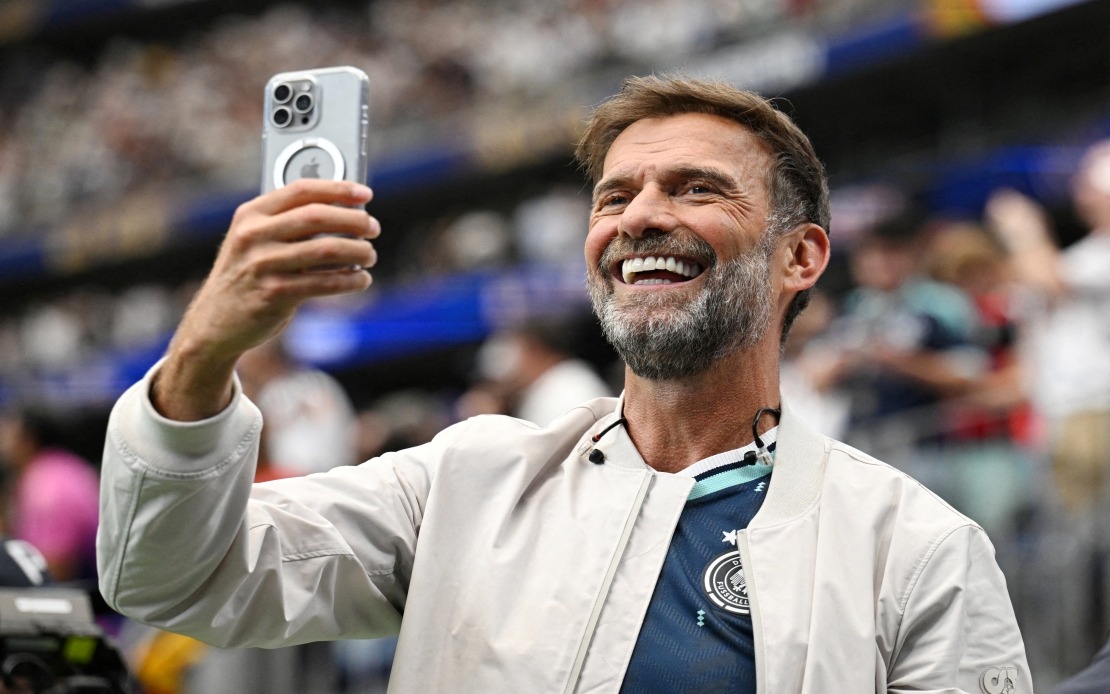
Jürgen Klopp has publicly acknowledged that he is engaged in discussions with the German Football Federation regarding the vacant position of national team coach, a development that marks a significant turn in European football's managerial landscape. Speaking via MagentaTV, the highly decorated tactician indicated his willingness to pursue the role left open by Julian Nagelsmann's departure, yet cautioned that the negotiation process will demand considerable time and thorough deliberation before any formal agreement can be reached.
Nagelsmann stepped aside from his position on Friday following nearly three years at the helm of the German national side, a decision triggered by the team's disappointing elimination from the World Cup during the group stage, having been defeated on penalties by Paraguay. The unexpected exit of the relatively young and ambitious coach created an opening that the DFB immediately began to address through strategic outreach to potential successors, with Klopp emerging as a lead candidate given his extensive pedigree in elite football management.
The 57-year-old German manager, who departed Liverpool in the summer of 2024 after a transformative nine-year tenure, currently holds the position of Head of Global Soccer at Red Bull, a role that has afforded him time to recharge and reassess his career trajectory. In his recent comments, Klopp expressed that he has fully replenished his energy reserves and feels genuinely prepared to take on a fresh managerial challenge of the highest order, though he stopped short of committing to any specific timeline or commitment.
Crucially, Klopp emphasised that the protracted nature of forthcoming discussions reflects the complexity of the situation rather than any reluctance on his part. He articulated the view that Germany's current difficulties are structural in nature and cannot be simply resolved through a change in leadership, highlighting that the challenges confronting the national team extend beyond personnel matters. This analytical perspective suggests Klopp recognises that the DFB's search for a new coach must be accompanied by broader institutional reflection and potential systemic reform.
While acknowledging Nagelsmann's credentials as an exceptional coach, Klopp suggested that circumstances beyond individual competence determined the outcome in Qatar. Had Germany progressed further in the tournament, he intimated, the situation might have evolved along an entirely different trajectory. This observation underscores the reality that national team football operates under intense public scrutiny and pressure that can overwhelm even capable managers when results disappoint.
A significant complicating factor in any potential move is Klopp's existing contractual commitment to Red Bull, which extends through 2029. In discussions with his current employer's leadership, specifically Oliver Mintzlaff, Klopp has signalled that any resolution must preserve Red Bull's standing and reputation within the football industry. This diplomatic approach reveals his characteristic pragmatism and desire to ensure all parties benefit from any negotiated outcome, reflecting his understanding of modern football's complex commercial relationships.
For Malaysian and Southeast Asian football observers, Klopp's potential appointment would carry symbolic weight in Europe's managerial ecosystem. His track record at Borussia Dortmund and Liverpool demonstrates an ability to rebuild struggling institutions into continental powerhouses through meticulous planning, strategic recruitment, and inspirational leadership. Should he assume the Germany post, the implications for European football's competitive balance would be substantial, potentially reshaping the continent's elite coaching hierarchy.
The deliberate pacing of these negotiations also suggests the DFB is approaching the matter with appropriate seriousness. Rather than rushing toward a hasty appointment, the federation appears committed to conducting intensive discussions that address the fundamental questions surrounding Germany's recent underperformance and the pathway to restoring the nation's traditional position as a consistent World Cup contender. This measured approach contrasts with impulsive decision-making that has sometimes characterised managerial transitions in international football.
Klopp's openness to the position while maintaining diplomatic restraint may also reflect broader considerations about the trajectory of German football. The national team's reliance on ageing playing personnel, questions about the development pipeline for emerging talent, and tactical adjustments required for contemporary football all factor into the complexity that makes intensive discussions necessary. A coach of Klopp's calibre would naturally require clarity on these structural matters before committing to the role.
The situation encapsulates the delicate balance required when one of football's most coveted jobs becomes available. Neither the DFB nor Klopp can afford to appear desperate or overeager, yet both parties have considerable motivation to reach a productive conclusion. Klopp's insistence that solutions must emerge that satisfy all stakeholders demonstrates the political sophistication increasingly required of modern football managers operating at the highest levels of international competition.

