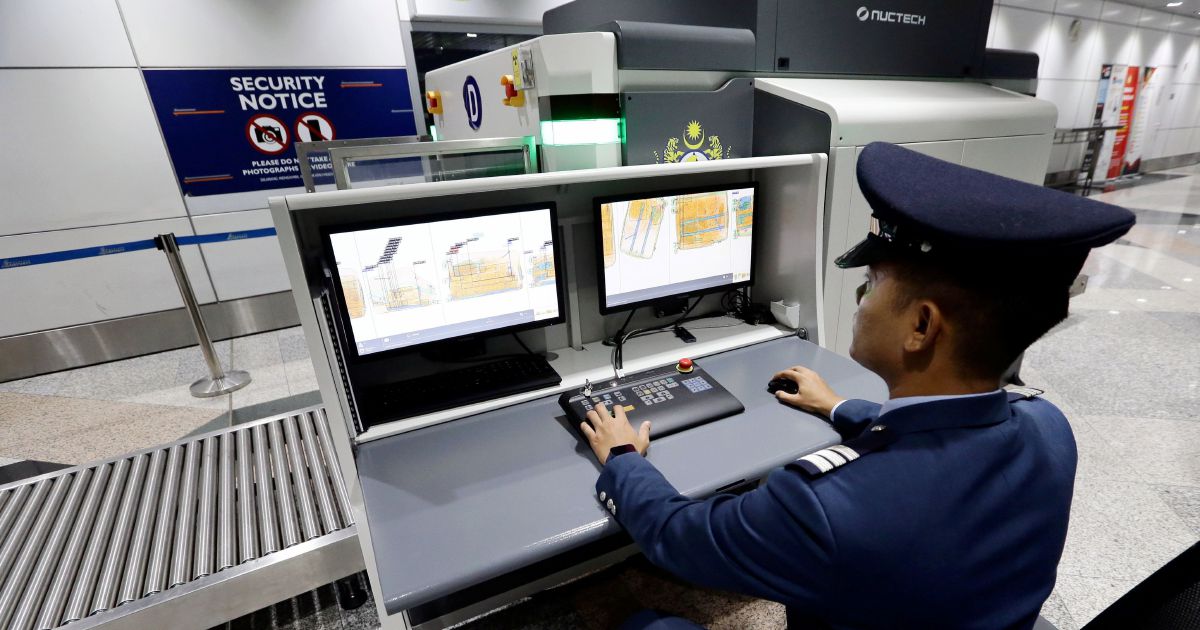
Kuala Lumpur International Airport's sophisticated scanning equipment is not the bottleneck preventing effective contraband interception. According to Home Minister Datuk Seri Saifuddin Nasution Ismail, the airport's technology is fully equipped to identify prohibited substances including drugs. Instead, the genuine vulnerability lies in how screening procedures have evolved and been prioritised, pointing to a systemic issue that extends beyond hardware investment or technical capability.
The minister's remarks shift focus from equipment deficiency to operational practice, a distinction with significant implications for how Malaysia addresses illicit trafficking through its busiest international gateway. KLIA, as the nation's premier air hub handling millions of passengers annually, has long been a critical junction in regional and global drug trafficking networks. The acknowledgment that scanners themselves function adequately suggests policymakers must now address deeper institutional factors determining how thoroughly baggage and cargo are examined.
Saifuddin's characterisation of the screening gap highlights how airport security protocols have historically emphasised detection of weapons and explosives—understandably a priority following post-9/11 security paradigm shifts. However, this focus appears to have inadvertently created a secondary tier of screening rigour for narcotics and controlled substances. The distinction reveals a potential mismatch between threat assessments and actual trafficking patterns affecting Malaysia, where drug seizures at borders have remained persistently high despite interdiction efforts.
The operational procedures issue encompasses multiple potential dimensions. Training protocols for screeners may not adequately prepare personnel to identify drug packages amidst the volume of luggage processed daily. Standard operating procedures might not mandate secondary screening when initial scanner imagery raises moderate suspicion rather than definitive flags. Resource allocation decisions could limit the number of staff available for hands-on inspection of flagged items. Additionally, the decision-making framework guiding which anomalies warrant physical examination versus being cleared might err toward passenger throughput efficiency rather than maximum detection probability.
For Malaysian travellers and the broader business community reliant on KLIA's competitiveness, these revelations carry import. Airports globally face perpetual tension between security thoroughness and operational efficiency. Identifying that KLIA's shortcoming stems from procedural rather than technological factors creates an avenue for relatively swift remediation without massive capital expenditure. However, it also raises uncomfortable questions about whether previous statements regarding security adequacy were misleading or reflected incomplete analysis.
The timing of this clarification is noteworthy given sustained regional scrutiny of Malaysia's role in narcotics trafficking networks. Southeast Asia remains a major conduit for methamphetamine, heroin, and increasingly, synthetic drugs destined for regional and international markets. KLIA's position as a hub for flight crews, transit passengers, and cargo creates multiple vectors for smuggling that standard checkpoint screening might inadequately address. If operational protocols have inadvertently deprioritised drug detection, remedying this represents a crucial security improvement with regional significance.
The minister's acknowledgment implicitly commits the Home Ministry to reviewing and restructuring screening standard operating procedures. This might include recalibrating how scanner data is interpreted, establishing clearer thresholds triggering physical inspection, or reallocating personnel to prioritise narcotics detection alongside weapons screening. Training programmes would likely require updating to ensure screeners recognise packaging methods, concealment techniques, and contraband signatures specific to contemporary drug smuggling practices.
Implementing such changes presents administrative challenges. KLIA processes over 50 million passengers annually, and enhanced screening procedures risk creating bottlenecks if not carefully designed. The balance between security and efficiency demands sophisticated procedural design that doesn't simply add examination steps but rather optimises screening through evidence-based risk assessment and data-driven resource deployment. This requires sustained investment in personnel training, potentially new technologies complementing existing scanners, and institutional commitment to enforcement consistency.
Regional context amplifies the importance of addressing this gap. As ASEAN nations increasingly interconnect through expanded flight networks and cargo agreements, security practices at major hubs directly influence neighbouring countries' exposure to trafficking. Indonesia, Singapore, and Thailand have been aggressively pursuing drug enforcement; if Malaysian airports become relatively permissive pathways, transnational trafficking networks will naturally route through KLIA. This could undermine regional cooperation frameworks and damage Malaysia's standing within ASEAN security partnerships.
Looking forward, the Home Ministry's recognition that procedural inadequacy rather than technological limitation has constrained drug detection provides a roadmap for improvement. However, implementation success depends on sustained political commitment, adequate budgeting, and institutional willingness to prioritise security outcomes over passenger convenience metrics. The coming months will reveal whether this assessment becomes catalyst for meaningful reform or remains diagnostic insight without consequential action.

