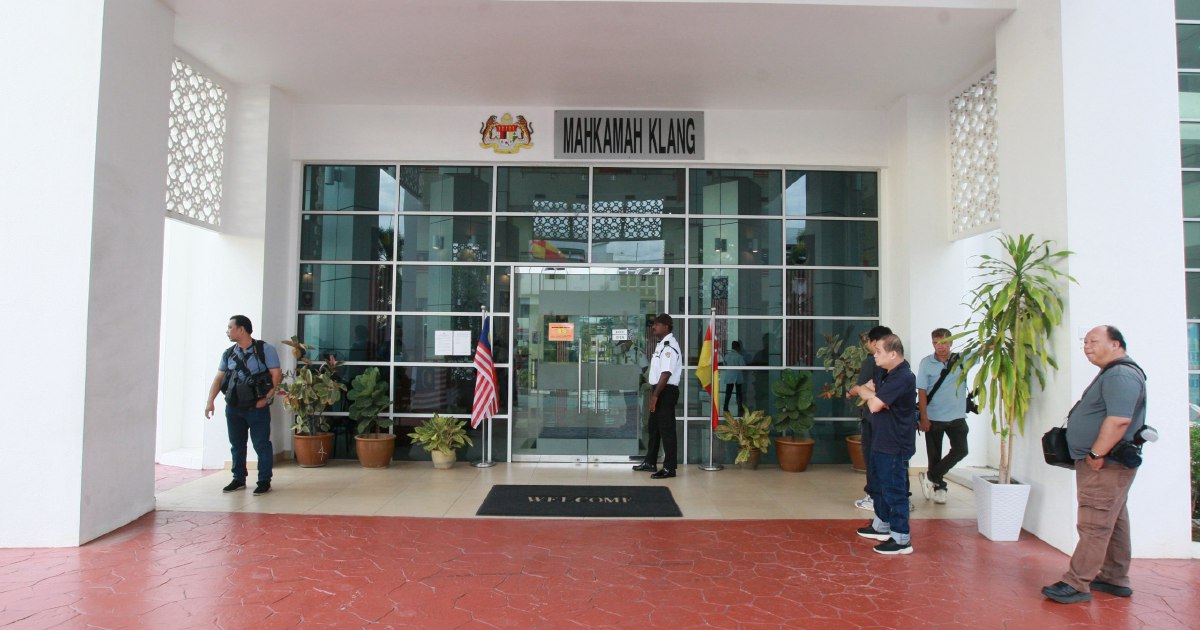
Security measures remained low-key at the Klang Sessions Court on Wednesday morning as a 24-year-old suspect faced formal charges relating to the death of Rocky, a dog whose fate captured public attention and sparked widespread debate about animal welfare in Malaysia.
The quiet atmosphere outside the courthouse contrasted with expectations that the proceedings might draw larger crowds, reflecting the considerable public interest the case has generated across social media and news outlets. The Klang Sessions Court processed the matter as part of its regular docket, with court officials maintaining standard protocols for the day's hearings.
The case involving Rocky has become emblematic of growing concerns among Malaysian animal rights advocates regarding the treatment of pets and animals more broadly. The incident prompted renewed discussions about existing animal protection laws and whether current legislation provides adequate safeguards for domestic animals. Animal welfare organisations in Malaysia have used the case to highlight gaps in enforcement and public awareness surrounding animal cruelty offences.
The charging of the 24-year-old marks a significant development in what has been a closely followed matter among pet owners and animal advocates throughout Selangor. The case gained traction online, with numerous posts and commentary examining the circumstances surrounding Rocky's death and questions about accountability. Such cases often serve as catalysts for broader conversations about responsibilities that pet owners and the general public bear toward animals under Malaysian law.
Malaysia's animal protection framework, primarily governed by the Animal Welfare Act 2015, provides provisions for prosecuting individuals responsible for animal cruelty. The law stipulates penalties including fines and imprisonment for those found guilty of causing unnecessary suffering to animals. However, enforcement remains inconsistent across different states and local authorities, a concern repeatedly raised by animal welfare groups operating in the country.
The relative calm outside Klang Sessions Court may also reflect the maturity of Malaysian court proceedings, where such matters are generally handled through established judicial processes rather than becoming focal points for public demonstrations. The court system has developed protocols for managing cases that generate significant public interest, balancing transparency with the need to conduct fair proceedings.
Rocky's case has resonated particularly strongly because it taps into the emotional connection many Malaysians have with their pets. The growing pet ownership trend across urban areas in Malaysia, including the Klang Valley region, has created a larger constituency invested in animal welfare issues. Many pet owners expressed solidarity with Rocky's owners and called for swift justice through proper legal channels.
The prosecution's approach to the case will likely establish important precedent for how Malaysian courts handle similar animal cruelty matters moving forward. Legal experts have noted that high-profile cases can influence sentencing guidelines and prosecutorial discretion in future animal welfare cases, potentially strengthening protections for animals nationwide. The outcome may also inform how advocacy groups prioritise awareness campaigns and public education initiatives.
Beyond the courtroom proceedings, the Rocky case illustrates broader tensions within Malaysian society regarding animal rights versus other competing social priorities. While animal welfare advocacy has grown, it remains an emerging area compared to more established civil rights movements. The case provides an opportunity to assess how courts balance protecting animals with broader principles of justice and proportionality in sentencing.
For Klang's local community and the wider Selangor region, the proceedings represent a moment of reckoning with issues that often remain invisible until a specific incident brings them into sharp focus. Local authorities and community leaders face questions about oversight mechanisms and prevention strategies that might reduce future incidents of animal cruelty.
The calm exterior of the Klang Sessions Court this morning belied the significance of the matter being heard within. As the case progresses through Malaysia's legal system, it will continue to shape how the country addresses animal welfare, judicial accountability, and public expectations for protecting vulnerable creatures in society. The outcome will be watched closely by animal rights groups and concerned citizens throughout Malaysia.

