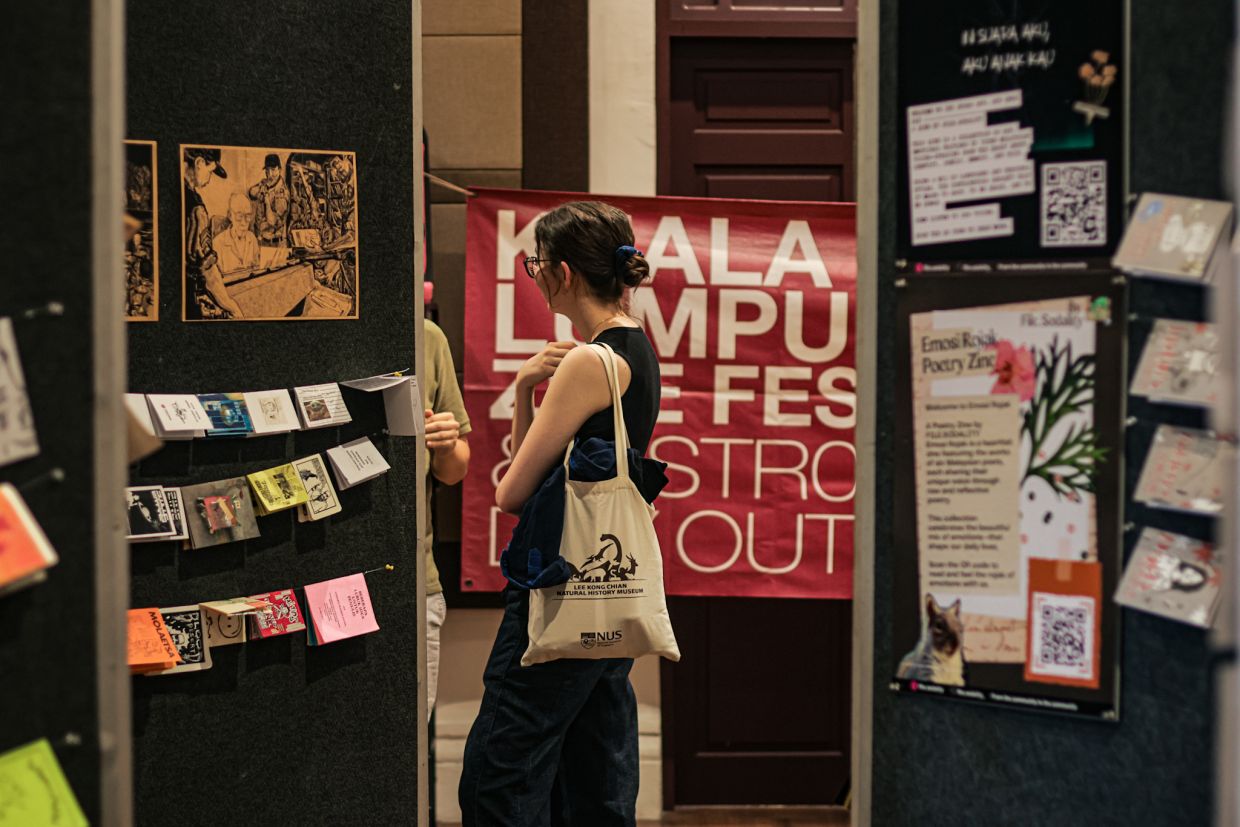
Kuala Lumpur's thriving independent arts scene will receive another injection of creative energy as the KL Zine Etc festival prepares for its highly anticipated second edition, doubling down on its mission to champion grassroots publishing and DIY culture. The festival, which has swiftly become a fixture on the city's calendar for underground creatives, returns to the first floor of a heritage trade hall, transforming the space into a vibrant marketplace for zinesters, independent publishers, printmakers and artists who continue to defy the gravitational pull of mainstream media and conventional publishing models.
The scale of this year's gathering reflects growing momentum within Malaysia's independent publishing ecosystem. Where the inaugural festival featured around 30 vendors, organisers have nearly doubled that figure to over 50 participants, each bringing their own distinct aesthetic, message and medium to what has become a crucial meeting ground for alternative voices. The expansion speaks to an undeniable hunger among Malaysian readers and creators for stories, aesthetics and perspectives that exist outside traditional publishing channels—a phenomenon that extends far beyond the capital's boundaries.
This expansion embodies the merdeka spirit that has historically animated zine culture worldwide. Independent publishing, by its very nature, represents a defiant assertion of creative autonomy and a rejection of gatekeeping. In Malaysia's context, where economic concentration in the media and publishing sectors remains pronounced, grassroots initiatives like KLZE provide tangible infrastructure for writers, artists and thinkers whose work might otherwise struggle to reach audiences. The festival's growth signals that this appetite for independent expression continues to strengthen rather than diminish.
Central to this year's programming is a deliberate thematic pivot toward global and personal conflict resolution. The festival's anti-war exhibition and 'ceasefire zones' framework respond to contemporary geopolitical turbulence while simultaneously encouraging introspection about internal struggles—those shaped by mental health, identity politics and ideological difference. The organisers frame these zones not as neutral territory but as intentional spaces where conversation and reconciliation become possible, where readers and creators can engage across difference. This conceptual architecture transforms the festival from mere marketplace into something more philosophically ambitious: a laboratory for peaceful coexistence.
The curatorial breadth on display at KLZE reflects contemporary zine culture's thematic diversity. Participating vendors will showcase everything from handmade booklets and artist-produced volumes to experimental publications and limited-edition runs—covering terrain that spans contemporary fanzines, punk aesthetics, folk narratives, indigenous activism, graphic narratives, environmental advocacy, feminist discourse and role-playing game culture. This catholicity of content demonstrates that independent publishing in Malaysia addresses virtually every conceivable subject matter, unbounded by commercial viability calculations.
The vendor roster itself tells a story about decentralisation within Malaysia's creative economy. While Kuala Lumpur naturally hosts numerous participants including names like Otter Is Reading, Tokosue, Paulitical Art and Lost Prints Community Studio, the festival draws significantly from the country's peripheries. Kedai Hitam Putih travels from Kelantan, Pipit Press brings Melaka's printing traditions, Shuren Press contributes from Johor, while Olivia JD represents Sarawak's creative culture and Borneo Komrad showcases Sabah's independent spirit. This geographical distribution underscores how zine and independent publishing cultures have genuinely rooted themselves across Malaysian society rather than remaining concentrated in the Klang Valley.
Beyond Malaysia's borders, KLZE has emerged as a significant regional convening point for independent creators. Participating artists hail from Singapore, Indonesia, the Philippines, Hong Kong, mainland China, Myanmar and Taiwan, transforming the festival into a Southeast Asian gathering that facilitates cross-border artistic exchange and collaboration. In a region where official publishing industries remain dominated by large multinational players and state-controlled entities, these grassroots networks provide crucial alternative channels for creative circulation and mutual learning among practitioners who share aesthetic values and ideological commitments.
This regional dimension carries particular significance for independent creators operating within political constraints. Several participating nations represented at KLZE have limited spaces for certain types of expression within their mainstream media ecosystems. Independent publishing networks thus serve survival functions beyond mere aesthetic preference—they constitute genuine alternatives for voices that might otherwise face suppression or marginalisation. The festival's embrace of creators from across the region acknowledges this reality while celebrating the resilience of underground publishing cultures.
The multilingual character of the festival's offerings further reinforces its regional ambitions. Zines and publications in Bahasa Malaysia, English, Mandarin Chinese and other regional languages will circulate throughout the venue, acknowledging that Southeast Asia's creative communities operate across multiple linguistic registers. This linguistic pluralism mirrors the actual demographics of independent publishing networks in the region, where many creators deliberately choose to write and publish in multiple languages to maximise reach and resist linguistic hegemony.
Practically, access remains deliberately inclusive. Entry to the festival costs RM10, with purchasers receiving a RM5 voucher redeemable for zine purchases. This pricing structure—modest rather than prohibitive—reflects the ethos of independent publishing communities, where affordability serves both ethical conviction and practical necessity. Few independent publishers operate with sufficient margins to sustain high cover prices, and festival organisers have structured their economics to facilitate rather than obstruct access.
The programming beyond the marketplace itself adds substantive value. Three days of zine-focused workshops, hands-on creative sessions, film screenings and music performances transform KLZE from static market into dynamic cultural event. These ancillary programmes create space for skill-sharing, artistic dialogue and performance-based expression that print alone cannot accommodate. Emerging creators can learn techniques from established practitioners, while audiences can engage with ideas through multiple sensory and intellectual channels.
Looking forward, festival organisers frame KLZE's purpose in deliberately expansive terms: creating spaces where local and regional independent creators can convene, where alternative narratives can gain visibility and celebration, and where meaningful personal and professional relationships might crystallise into sustained collaboration. In volatile times—whether globally or personally—such spaces become increasingly valuable. The festival's growth trajectory suggests that Malaysian and Southeast Asian audiences recognise this value and continue voting with their feet and wallets for cultural alternatives that operate beyond commercial orthodoxy.

