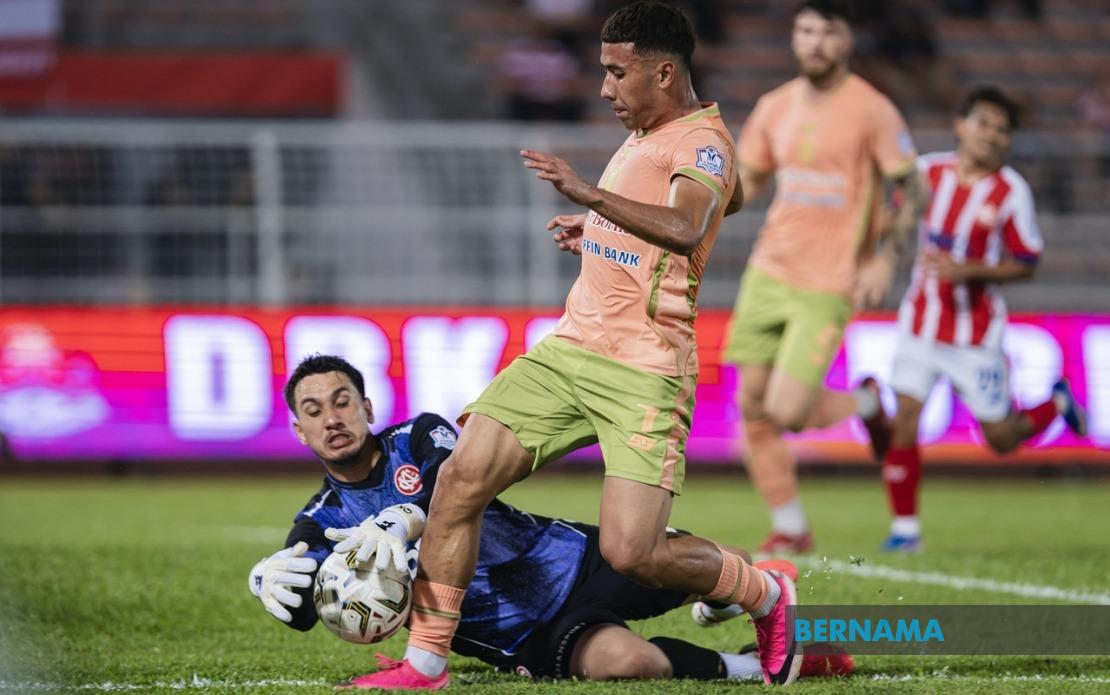
Kuala Lumpur City FC's 2026-2027 Super League campaign got off to a calamitous start when the club fielded just 10 outfield players and a single substitute against Kuching City FC at the Kuala Lumpur Football Stadium in Cheras, ultimately surrendering a 6-0 defeat. The catastrophic result stemmed from compounding administrative and health crises that left head coach Datuk Dollah Salleh grappling with circumstances entirely outside the normal parameters of football management.
The perfect storm engulfing the capital club centred on two distinct but interconnected problems. Thirteen squad members and two coaching staff members fell ill with influenza just as the season commenced, decimating the available player pool. Simultaneously, KL City confronted persistent player registration complications that prevented numerous athletes from being cleared to compete. This dual affliction, striking at the worst conceivable moment, forced Dollah to make tactical compromises that no coach would willingly contemplate.
For a manager boasting nearly a quarter-century of professional coaching experience, including leadership of the Malaysian national team, the situation represented uncharted territory. Speaking after the match, Dollah emphasised the novelty of the predicament, explaining that the stress had been visible to those around him and that he had spent days mentally wrestling with how to navigate such an extraordinary challenge. His frank admission underscored how thoroughly this scenario departed from even the most seasoned coach's playbook.
The tactical dynamics of the contest added another layer to KL City's suffering. Although Kuching City's captain James Okwuosa received a red card in the 44th minute—levelling the playing field to 10-versus-10—Dollah's squad had already expended enormous energy during the opening period. By the second half, physical exhaustion compounded the numerical disadvantage, leaving the players unable to maintain any meaningful resistance to their opponents' advances. The coach observed that such circumstances rendered his usual critical standards irrelevant; instead of demanding tactical improvements or greater intensity, he simply encouraged the players to remain organised in defence and minimise further damage.
Dollah's strategic calculus in the closing stages reflected the grim reality of his position. With minimal bench depth and players already stretched to their limits, he instructed the team to prioritise defensive discipline over any attempt at attacking football. This defensive posture, while pragmatic given the circumstances, could only slow the bleeding rather than prevent the eventual rout. The coach also acknowledged a broader institutional concern—failing to field a team entirely could have triggered more severe consequences from the Malaysian Football League, including sanctions that might damage KL City's long-term standing in the competition.
This match formed part of a broader pattern of misfortune affecting the club. One week earlier, KL City's scheduled opening fixture against Negeri Sembilan FC at Stadium Tuanku Abdul Rahman in Paroi never took place because KL City could not field sufficient registered players. The Malaysian Football League responded by awarding Negeri Sembilan an uncontested 3-0 victory and imposing a RM50,000 fine on the host club. That administrative blow highlighted the cascading consequences of registration failures, extending financial damage atop competitive embarrassment.
However, Dollah delivered one significant piece of positive news amid the gloom. He announced that FIFA had lifted the transfer ban previously imposed on KL City, enabling the club to complete player registrations for upcoming matches. The removal of this international restriction represented a crucial turning point, eliminating one major obstacle to squad assembly. With club leadership formally confirming the FIFA clearance, Dollah signalled that registration issues—at least those stemming from the international federation—could no longer constrain the team's capacity to prepare properly.
Looking forward, KL City faces DPMM FC this Saturday in what Dollah views as a genuine opportunity for recovery and redemption. The timing could prove fortuitous, as the influenza outbreak should largely subside within a week, and the squad should be able to register additional players without FIFA impediments. Dollah's evident desire to move past the Kuching City debacle reflects both his professionalism and the psychological toll the experience has exacted. The upcoming match against DPMM FC represents a genuine fresh start for a club that stumbled catastrophically out of the starting blocks.
For Malaysian football observers, KL City's tribulations highlight the fragility of league operations when administrative systems fail simultaneously with health emergencies. The combination of registration delays and disease outbreak created conditions that were simply unmanageable regardless of coaching quality or player commitment. Dollah's principled refusal to make excuses—while simultaneously acknowledging circumstances beyond any reasonable expectation—commands respect from supporters who understand that sometimes external factors genuinely transcend a coach's sphere of control. The coming weeks will determine whether KL City can recover from this disastrous beginning or whether the damage proves more permanent.

