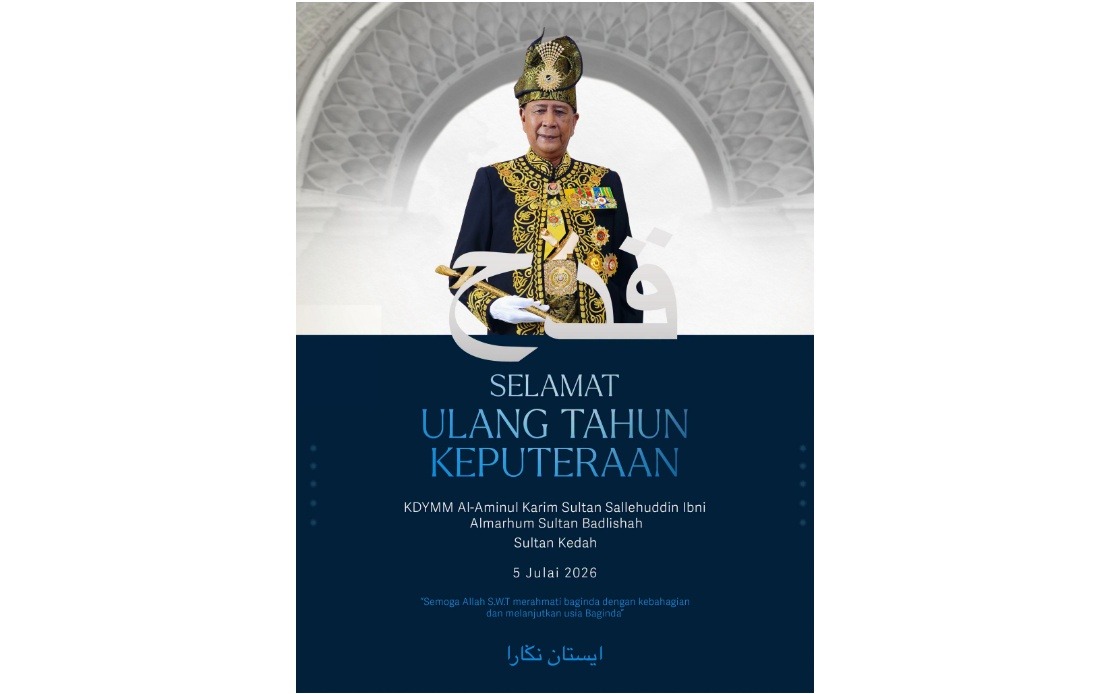
His Majesty Sultan Ibrahim, King of Malaysia, has publicly celebrated the 84th birthday of the Sultan of Kedah, Al-Aminul Karim Sultan Sallehuddin Sultan Badlishah, with warm wishes posted through official channels. The gesture, shared via the royal Facebook page on July 5, reflects the strong bonds of respect and camaraderie among Malaysia's constitutional monarchy, where the Agong and the various sultans maintain close institutional and personal ties rooted in centuries of tradition.
In his birthday message, the King conveyed prayers that the Sultan of Kedah would receive divine blessings of happiness, sound health, and a long and prosperous life. The formal yet heartfelt tone of the message underscores the significance of inter-royal courtesy within Malaysia's unique system of governance, where the King and the sultans play complementary ceremonial and constitutional roles. For Malaysian observers, such public acknowledgments of key occasions involving the monarchy serve to reinforce the unity and continuity of the institution.
Prime Minister Datuk Seri Anwar Ibrahim similarly offered his birthday felicitations to Sultan Sallehuddin, extending the well-wishes beyond the palace to encompass the broader governmental leadership. The Prime Minister's gesture demonstrates the collaborative relationship between the executive branch and the constitutional monarchy, a partnership that has been a cornerstone of Malaysian politics since independence. Such expressions of goodwill, though ceremonial in nature, carry symbolic weight in a nation where respect for the throne remains a constitutional and cultural imperative.
The Prime Minister's message expanded its scope to include members of the Kedah royal household, specifically mentioning the Sultanah of Kedah, Sultanah Maliha Tengku Ariff, as well as the extended royal family of the state. This inclusive approach reflects contemporary diplomatic practice, where recognition of spouses and family members acknowledges their roles in supporting state affairs and representing their constituencies. The Sultanah, as consort to the Sultan, plays an important ceremonial function within Kedah and contributes to the state's social and charitable engagements.
Anwar's wishes, delivered through a Facebook post, included a prayer that Allah SWT would continue to bestow mercy, guidance, and good health upon Sultan Sallehuddin and his family, while granting them enduring sovereignty in their stewardship of Kedah. The mention of sovereignty is particularly significant, as it affirms the constitutional standing of the sultanate within Malaysia's federal system. Kedah, as one of the oldest and most historically significant sultanates on the peninsula, holds considerable prominence in the broader narrative of Malaysian monarchy.
The use of traditional Malay royal salutations such as "Daulat Tuanku" and "Dirgahayu Tuanku" in the Prime Minister's message underscores the cultural protocols that continue to govern interactions within Malaysia's political and ceremonial hierarchy. These expressions, deeply rooted in Islamic and Malay custom, carry meanings of homage and blessings that transcend mere formality. For international observers and diaspora Malaysians, such moments offer insight into how tradition and modernity coexist within the country's governance structures.
Sultan Sallehuddin's long tenure as ruler of Kedah has spanned several decades of significant change in Malaysian politics and society. His longevity in the role reflects both the respect he commands within his state and the stability that has characterized Kedah's leadership. At 84 years, the Sultan represents a link to Malaysia's post-independence era, having witnessed and participated in the evolution of the nation's constitutional framework and the development of his state.
The public nature of these birthday acknowledgments, disseminated through social media platforms, reflects how Malaysia's institutions have adapted to modern communication methods while maintaining traditional protocols. The use of official Facebook pages to convey royal and governmental messages has become commonplace, allowing for broader public engagement with ceremonial and constitutional matters that were once confined to official announcements and state media.
For Kedah specifically, the Sultan holds considerable symbolic and ceremonial importance as the custodian of the state's heritage and the embodiment of its constitutional authority. Birthday celebrations for senior royal figures often serve as occasions for reflecting on a state's progress and reaffirming commitments to its development and welfare. The well-wishes from both the King and Prime Minister signal continued governmental support for Kedah's governance and its role within the Malaysian federation.
The exchange of birthday greetings between high-ranking officials and members of the royal family represents a continuing tradition that strengthens the bonds between Malaysia's various power centers. Whether rooted in constitutional requirement or cultural custom, these gestures maintain the ceremonial fabric that has historically provided stability and continuity to Malaysian governance. As the nation navigates contemporary political challenges, such moments of inter-institutional respect serve as reminders of the shared commitment to constitutional monarchy and orderly governance that has underwritten Malaysia's stability since 1957.

