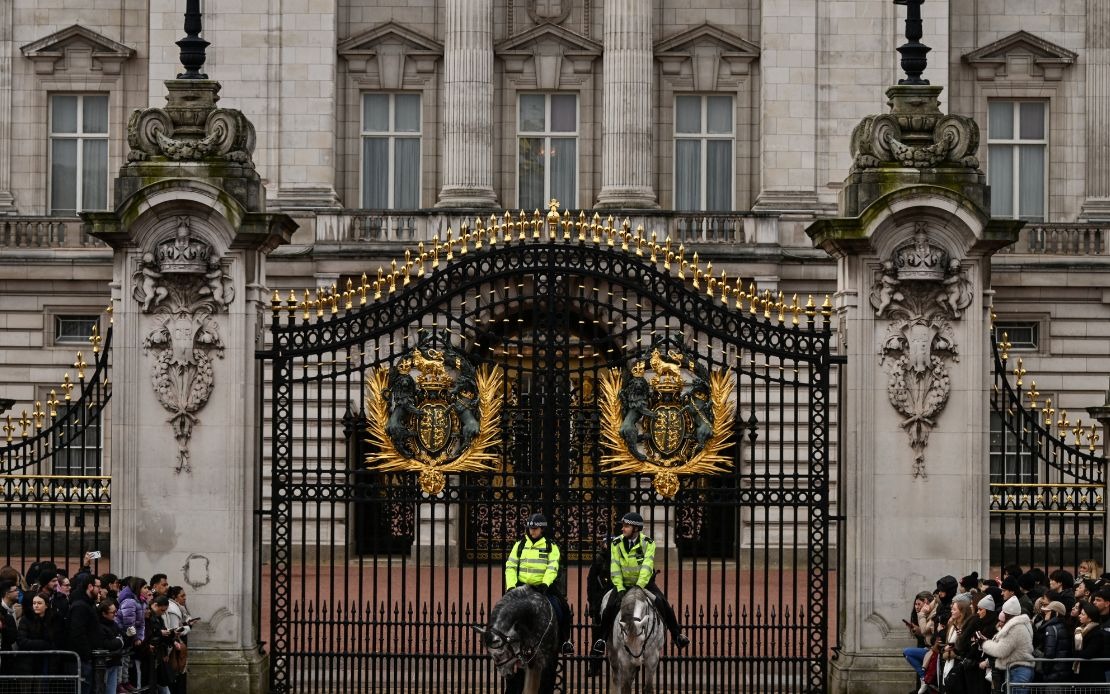
The British Royal Household has clarified its vision for Buckingham Palace's future role within the monarchy, confirming that King Charles III and Queen Camilla will maintain the iconic London residence as the ceremonial centre of royal operations after its extensive renovation is complete. However, the royal couple will not establish it as their personal home, instead preserving the palace exclusively for state functions, official receptions, and public engagements that define the sovereign's public duties.
This decision represents a deliberate modernisation of how the 775-room mansion functions within contemporary royal life. Rather than serving as the monarch's primary residence, Buckingham Palace will be positioned as the principal workplace of the Royal Household, reinforcing its status as the institutional heart of the British monarchy. The shift reflects practical considerations about contemporary royal life while maintaining the palace's symbolic and functional importance to the state.
The 10-year Buckingham Palace Reservicing Programme is approaching completion, having reached its ninth year. This major undertaking addresses decades of maintenance backlog and infrastructure modernisation at one of the world's most recognisable royal residences. The project represents one of the largest capital investments in the palace's history, touching everything from mechanical systems to structural preservation.
Statistics from the Royal Household demonstrate the palace's continuing significance as a venue for state business. During the 2025-2026 financial year, nearly 97,000 guests attended 827 events held across various royal palaces, underscoring the substantial role that ceremonial functions play in royal operations. This volume of activity justifies the palace's retention as an event venue even as it transitions away from being a private residence.
For Malaysian and Southeast Asian observers, this development carries particular relevance given the historical Commonwealth connections and ongoing diplomatic engagements between the British Crown and regional nations. Buckingham Palace remains the primary setting for state visits, bilateral meetings, and official receptions involving Commonwealth heads of government and other international dignitaries. The confirmation that ceremonial functions will continue ensures that the palace maintains its role in hosting visits by Malaysian officials and maintaining the institutional frameworks of Commonwealth relations.
The Royal Household's funding structures reflect the commitment to this vision. The Sovereign Grant, which comprises public funding allocated to support the monarch's official duties and maintain occupied royal palaces, rose to £132.1 million in the 2025-2026 financial year. Of this total, £67.5 million was dedicated specifically to preserving and protecting occupied royal palaces, with Buckingham Palace commanding a substantial proportion of these conservation resources.
The decision to maintain Buckingham Palace primarily for ceremonial purposes aligns with broader trends within European monarchies toward separating private and public spaces. Several continental royal families have similarly restructured their use of historic palaces, recognising that major state residences function most effectively when dedicated to their institutional roles. This approach allows for better preservation, more efficient management, and enhanced public access opportunities.
Public access represents another dimension of this strategy. The Royal Household has explicitly identified Buckingham Palace as a national heritage asset with potential for expanded public engagement. The refurbishment project is being designed to accommodate greater opportunities for visitors to experience the palace while protecting its function as an active workplace for government and state business. This balances heritage conservation with contemporary public expectations around transparency and access to historical institutions.
The practical implications of this decision extend to operational efficiency within the Royal Household. By concentrating ceremonial operations at Buckingham Palace rather than dividing them between multiple residences, the monarchy can streamline staffing, security arrangements, and maintenance protocols. This efficiency gains resources that can be redirected toward the substantive work of the Crown, including official ceremonies, diplomatic functions, and public engagements that define the monarch's constitutional role.
For the broader Commonwealth, including Malaysia and other regional partners, the confirmation of Buckingham Palace's ceremonial future carries symbolic weight. The palace functions as the physical manifestation of Commonwealth identity and British royal authority in international diplomacy. Its continued prominence in hosting state ceremonies ensures continuity in the protocols and traditions that govern high-level Commonwealth interactions and bilateral state visits.
The refurbishment timeline suggests that these ceremonial functions will resume at an enhanced facility within the next several years. The nine-year completion point indicates that major work is substantially advanced, with the final phase addressing finishing elements and systems integration. Once reopened for public functions, the palace will combine modern infrastructure with its historical character, creating improved environments for both formal state business and curated public access.
The Royal Household's transparent communication about Buckingham Palace's future reflects broader institutional modernisation within the monarchy. By clearly articulating that the palace will serve ceremonial rather than residential purposes, the institution manages expectations and demonstrates thoughtful stewardship of a building that transcends mere property to represent the continuity and stability of the British constitutional order. This clarification also signals the monarchy's commitment to responsible resource allocation in an era where public scrutiny of institutional spending remains intense.

