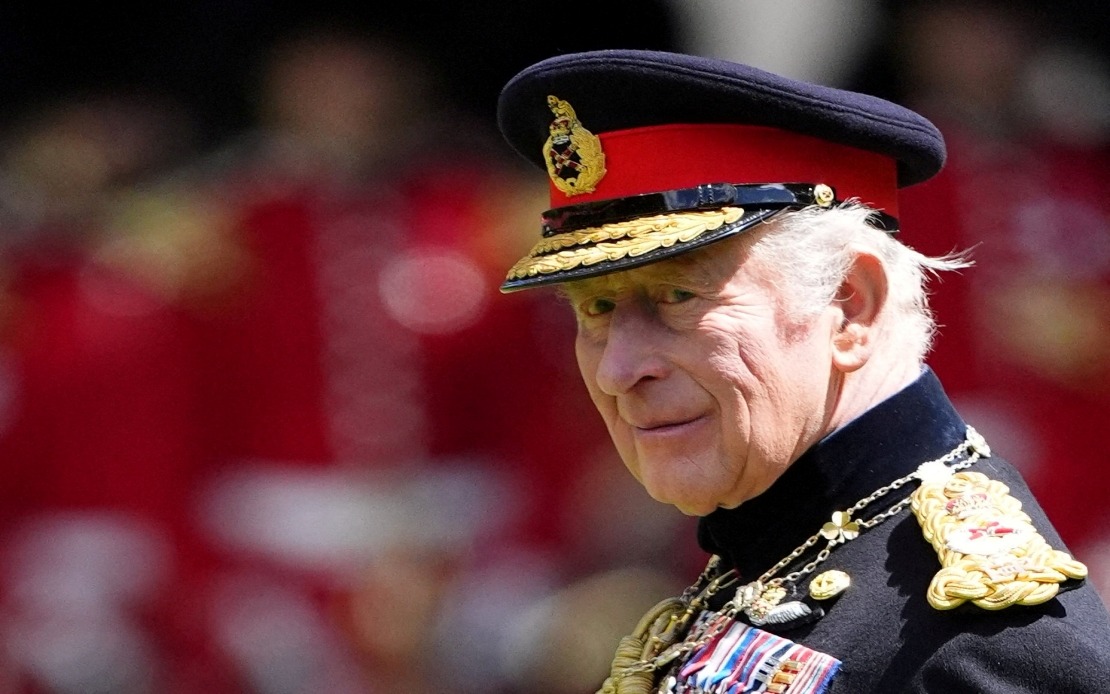
In a landmark departure from centuries of royal tradition, King Charles III has become the first reigning British monarch to publicly disclose his personal tax payment, with Buckingham Palace announcing that he paid £12.9 million during the 2024-2025 tax year. The revelation represents an unprecedented level of financial transparency from the British Crown and signals a deliberate shift toward greater public accountability in how royal finances are managed and reported. This disclosure comes as the Royal Household continues efforts to demystify the complex machinery of royal income and expenditure, responding to growing public interest in how monarchs fund their operations.
The figures released by the Palace reveal that King Charles paid £11.7 million in personal taxes during the preceding 2023-2024 tax year, bringing his total tax contributions since ascending to the throne in September 2022 to more than £30 million. While the distinction between these two figures may appear modest on the surface, it underscores the scale of the monarch's personal finances and demonstrates consistent engagement with the voluntary tax arrangements that have governed royal taxation for decades. The incremental increase year-on-year suggests stable income streams and regular compliance with established protocols.
Understanding the source of these tax payments requires examining the monarch's private financial portfolio. King Charles's personal income derives from multiple channels, including returns on personal investments, dividends, and crucially, revenue generated from two of his privately held estates: Balmoral Castle in Scotland and Sandringham House in Norfolk. These properties, owned personally rather than held in trust by the nation, generate substantial income that the monarchy chooses to declare and upon which taxes are voluntarily calculated and paid. This income stream is reserved exclusively for covering the sovereign's private expenses and operational costs not shouldered by the state.
It is important to note that British monarchs occupy a legally unique position within the United Kingdom's tax system. Unlike ordinary citizens, reigning sovereigns are not legally obligated to pay income tax, capital gains tax, or inheritance tax—a privilege rooted in ancient constitutional principles that position the Crown as distinct from the general population. However, beginning in the 1990s, this legal immunity was voluntarily circumscribed when the then-reigning Queen Elizabeth II agreed to pay taxes on personal income, establishing a precedent that her successors have continued. King Charles III inherited this commitment to voluntary compliance and has extended it since his accession.
The current disclosure gains additional significance when contextualised within Charles's earlier career. When he served as Prince of Wales, Charles began publishing information about his tax payments, creating a foundation of transparency that predated his accession. The elevation to the throne represented a potential watershed moment—the new king could have chosen to rely entirely on his legal privilege and ceased such disclosures. Instead, he opted to intensify transparency by making this the first occasion such figures have been officially released after a sovereign's accession, a deliberate choice that carries symbolic weight.
Buckingham Palace framed the release of these tax figures within a broader initiative to enhance public understanding of royal finances. Alongside the tax disclosure, the Royal Household published supplementary documentation that traces various revenue streams sustaining the monarchy, aiming to illuminate a system that many members of the public find opaque. James Chalmers, serving as keeper of the Privy Purse and thus the senior financial officer of the royal household, articulated the rationale for this transparency drive. According to Chalmers, whilst royal finances may initially appear dauntingly complex, the foundational system operates according to clear principles, is anchored in law, and has been progressively refined to ensure the monarch can execute his duties with both independence and accountability whilst serving the long-term interests of the nation.
For Malaysian and Southeast Asian observers, this development offers instructive lessons about the relationship between hereditary institutions and public accountability. While Malaysia's own constitutional monarchy operates within a different historical and legal framework, the British Crown's embrace of financial transparency resonates with broader global trends toward institutional accountability. The voluntary nature of King Charles's compliance—his decision to exceed legal requirements in disclosing personal finances—suggests that institutional legitimacy increasingly depends not merely on legal authority but on demonstrated willingness to subject oneself to public scrutiny.
The timing of these disclosures also warrants consideration within broader conversations about the relevance and cost of maintaining hereditary monarchies in the modern era. Questions about royal finances have periodically generated public debate in Britain, with critics questioning whether the scale of state support for the institution represents appropriate stewardship of taxpayer resources. By proactively releasing detailed financial information, King Charles appears to be attempting to preempt such critiques by demonstrating that royal finances operate within defined parameters and that the personal contributions from the monarch's own resources represent a meaningful commitment to the institution's sustainability.
The publication of these figures establishes a new baseline for royal financial accountability that will likely extend into future years. Having disclosed tax payments for the current year, the expectation—both institutional and public—will be for this practice to continue as a regular feature of royal household reports. This creates a form of institutional accountability mechanism, where annual transparency becomes the expected standard rather than an exceptional gesture. For observers tracking the evolution of monarchical institutions globally, this represents a meaningful shift in how hereditary heads of state approach the tension between privilege and public responsibility.
Looking forward, these disclosures may serve as a template for how other constitutional monarchies engage with public financial accountability. The British Crown's approach demonstrates that transparency and institutional prestige need not be mutually exclusive—indeed, the willingness to invite scrutiny may ultimately strengthen public confidence in the institution's legitimacy. As royal households worldwide navigate questions about their continued relevance in democratic societies, the British example of voluntary financial disclosure offers one model for reconciling ancient prerogatives with contemporary expectations of accountability. King Charles III's personal decision to exceed legal obligations suggests that his vision for the modern monarchy encompasses not only preserving tradition but demonstrating that traditional institutions can adapt to meet contemporary standards of institutional governance.

