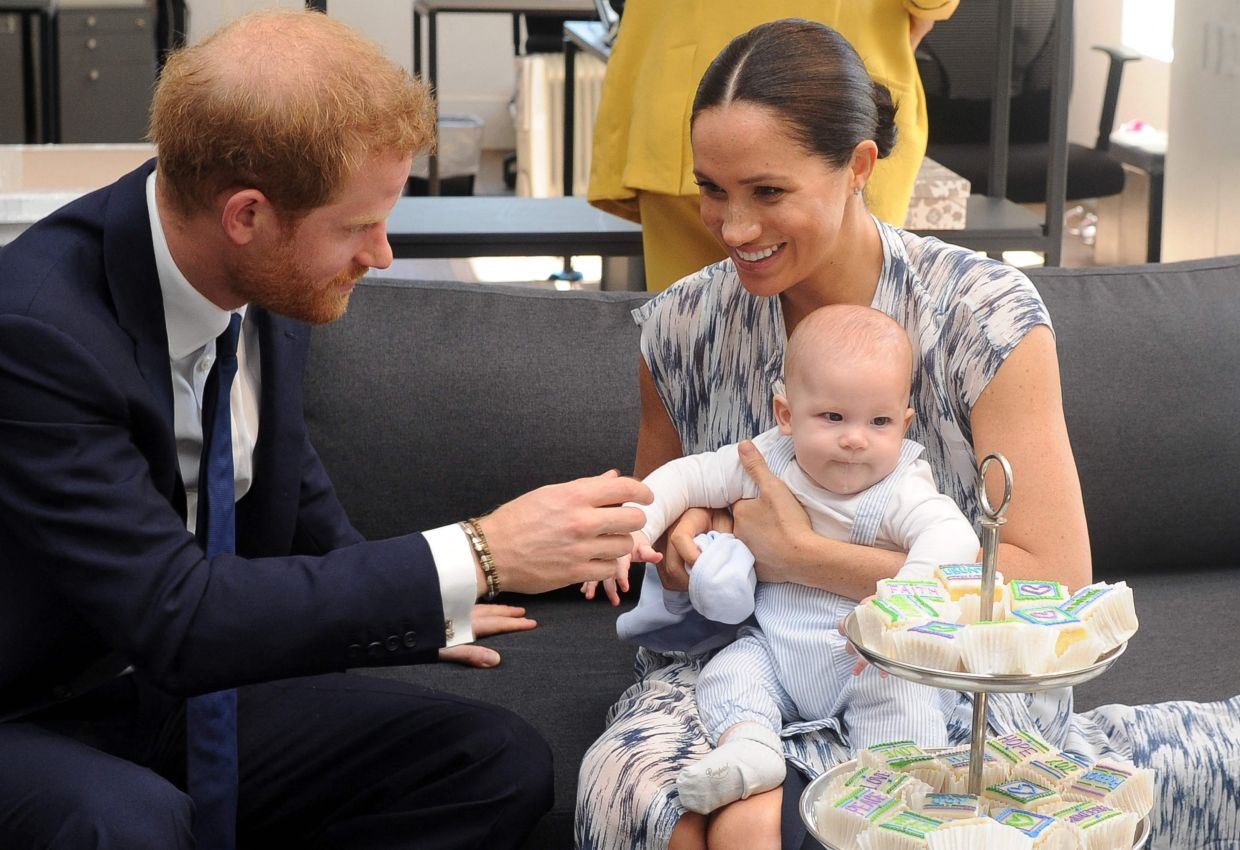
King Charles III opened the doors of Highgrove House, his country estate west of London, to Prince Harry and his family on Friday in what Buckingham Palace confirmed as their first substantial gathering in years. The visit represents a carefully orchestrated attempt to bridge the chasm that widened when Harry and Meghan, Duchess of Sussex, abandoned their royal duties and relocated to California six years ago, fundamentally reshaping the contemporary British monarchy's internal dynamics and public image.
The Highgrove meeting included not only the Duke and Duchess of Sussex but also their two children, Prince Archie and Princess Lilibet, who met with both the king and Queen Camilla. For Archie, aged seven, and Lilibet, five, the encounter marks a meaningful opportunity to develop a genuine relationship with their grandfather, whose health has been a persistent concern. The children had briefly met Charles during celebrations for the late Queen Elizabeth II's Platinum Jubilee in 2022, but this visit allows for more substantial family bonding at an age when the young royals are now capable of forming lasting memories.
Harry's return to Britain on July 6 ostensibly centred on fulfilling various charity obligations, though the visit's significance has been substantially amplified by the unprecedented royal family reconciliation it facilitated. Media speculation had dominated British discourse in the lead-up to his arrival, with tabloid outlets and news organisations intensely focused on whether Meghan would join him and, more pressingly, whether their children would make the transatlantic journey. The uncertainty reflected the genuine fracture within the House of Windsor, making even a family reunion worthy of breathless national coverage.
The logistical challenges of orchestrating such a meeting should not be underestimated, particularly given the monarchy's meticulously scheduled calendar where engagements are typically planned years in advance. The opportunity for a meaningful family gathering proved especially time-sensitive, constrained by the approaching school year and the family's permanent residence in California. This temporal pressure created palpable tensions between Harry and royal officials earlier in the week, manifesting in an embarrassing episode where Buckingham Palace initially extended an invitation for Harry to lodge at the palace before withdrawing the offer when he failed to respond with adequate alacrity.
The visit occurred amid mounting legal complications for the prince, whose final lawsuit challenging British tabloid practices concluded unsuccessfully. A judge determined that Harry had failed to substantiate his privacy invasion allegations against a major publisher, effectively closing a significant chapter in his prolonged conflict with the British press. These ongoing legal battles have functioned as a persistent source of familial tension, though they have paradoxically motivated Harry's efforts towards reconciliation, particularly given his awareness of his father's health vulnerabilities.
Charles, now 77 years old, is currently undergoing treatment for an undisclosed form of cancer, a medical reality that has lent particular urgency to Harry's desire to restore their relationship. The prince has repeatedly emphasised that time is a finite resource in this context, stating to the BBC that "I don't know how much longer my father has." This acknowledgment of mortality, coupled with his declaration that "there's no point in continuing to fight anymore," suggests a fundamental shift in Harry's priorities away from protracted conflict and towards familial reconciliation.
Their previous encounter in September had been considerably more limited, consisting merely of a brief cup of tea during a stopover in London—the first meeting between father and son in over a year. That brief interaction, while symbolically significant, lacked the substance and scope of this Highgrove gathering, which involved not only the king but Queen Camilla and, crucially, the younger generation of the royal family. The inclusion of Archie and Lilibet represents a particularly meaningful development, suggesting that efforts at reconciliation extend beyond diplomatic niceties between aging or estranged relatives.
The deterioration of relationships within the House of Windsor accelerated dramatically following Harry and Meghan's departure from royal life and their subsequent pursuit of lucrative media ventures and commercial arrangements in the United States. Their explicit rejection of traditional royal constraints and the pressures of institutional monarchy fundamentally altered the family's trajectory and public narrative. The publication of Harry's explosive memoir subsequently inflicted considerably greater damage, containing unflattering characterisations of family members and inflammatory allegations regarding the monarchy's toxic relationship with British media institutions.
Particularly contentious were Harry's assertions about royal information management, wherein he alleged that senior family members strategically leak information about one another to journalists in exchange for favourable personal coverage. These allegations painted a picture of institutional dysfunction and moral compromise at the highest echelons of the monarchy. Harry reserved particularly sharp criticism for Queen Camilla, accusing her of channelling private conversations to media outlets as part of her broader image rehabilitation efforts following her historically controversial relationship with Charles during his years as heir to the throne.
Harry's earlier legal setback concerning security arrangements had prompted a reassessment of his approach towards the royal family. Following a court ruling against him on security matters last year, the prince publicly articulated his recognition that perpetual conflict served neither his interests nor those of his family. He has suggested that the royals deliberately withheld police protection as a punitive measure for his departure from royal duties, though this claim remained contested within official circles.
The Friday gathering at Highgrove, though conducted privately with no official photographs to be released, represents a tangible movement towards healing fractured relationships that have dominated royal commentary for years. For Malaysian and Southeast Asian observers of the British monarchy, this reconciliation effort carries broader significance regarding family dynamics, institutional adaptation, and the possibility of bridging seemingly unbridgeable divides. The meeting suggests that even fundamental rifts within prominent families, particularly when compounded by public disagreements and legal conflicts, remain potentially recoverable through patient dialogue and a willingness to prioritise personal relationships over accumulated grievances.
The implications of this reconciliation extend beyond mere family sentiment. Should Harry and Meghan's relationship with the royal institution continue to improve, it could reshape the monarchy's contemporary image and influence, particularly among younger audiences who might perceive the traditional institution as more adaptable and emotionally intelligent than previously apparent. The success or failure of this reconciliation process will undoubtedly influence how future royal families navigate similar challenges involving members who choose alternative life paths.

