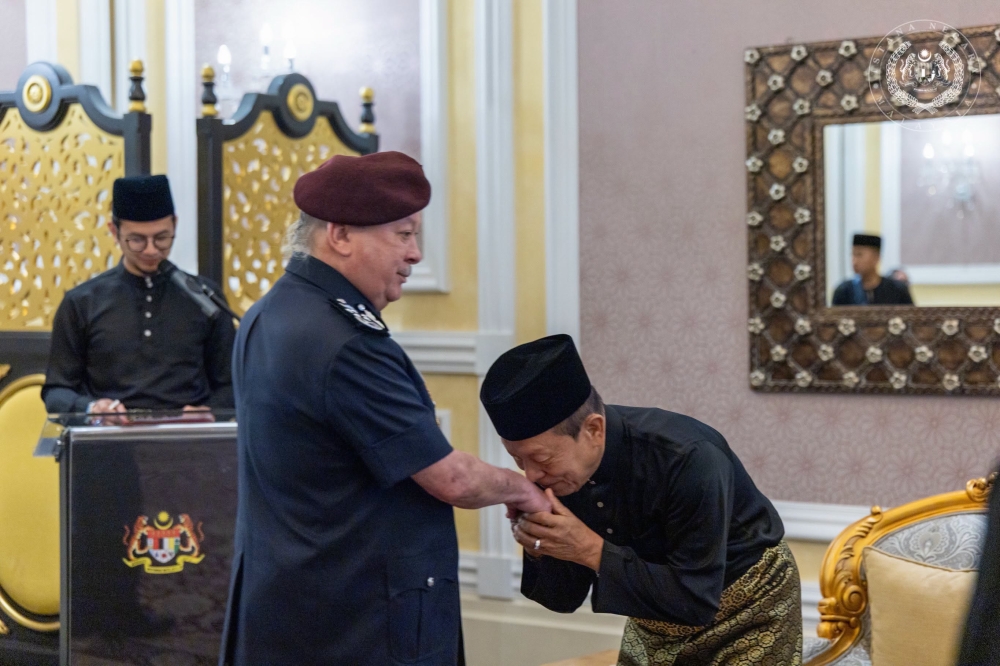
His Majesty Sultan Ibrahim, King of Malaysia, received Malaysian Anti-Corruption Commission chief Abdul Halim Mustapha for an audience at Istana Negara on July 14, marking a significant engagement between the nation's highest office and the country's primary anti-graft watchdog. During the meeting, the MACC chief provided a comprehensive briefing to the monarch on the commission's recent operational developments and strategic directions in its fight against corruption across the public and private sectors.
The audience reflects the institutional importance Malaysia places on combating corruption and maintaining transparency in governance. Regular engagement between the King and heads of key constitutional bodies underscore the separation of powers and the monarch's constitutional role in overseeing the functioning of state institutions. Such meetings serve as a platform for senior officials to directly communicate significant developments to the Head of State and seek guidance on matters of national importance.
The MACC, formally established under the Malaysian Anti-Corruption Commission Act 2009, operates as an independent statutory body responsible for investigating and prosecuting corruption offences. As the country's premier anti-corruption agency, the MACC handles investigations ranging from civil service misconduct to large-scale financial crimes involving public officials and private sector actors. Abdul Halim Mustapha's tenure as chief has seen the commission navigate complex investigations while balancing operational independence with public accountability.
The timing of this briefing comes amid ongoing national discourse about corruption and governance standards in Malaysia. The country has faced persistent challenges in its Corruption Perceptions Index rankings and continues efforts to strengthen institutional frameworks against financial crimes. Updates to the MACC chief regarding recent cases, prosecutions, or operational improvements would be of direct interest to the nation's head of state, who holds constitutional responsibilities for preserving the integrity of state institutions.
Audiences with the King provide the MACC leadership an opportunity to highlight the commission's achievements, discuss resource requirements, and present strategic initiatives aimed at strengthening anti-corruption enforcement. Such engagements can also facilitate coordination between the MACC and other constitutional bodies, including the Attorney General's Chambers, which handles prosecution of cases investigated by the commission. The briefing likely covered recent high-profile investigations, conviction rates, and preventive measures designed to deter corruption among public servants and government-linked companies.
Malaysia's anti-corruption framework has evolved significantly over the past decade, incorporating international best practices and compliance with regional and global anti-corruption standards. The MACC's participation in regional forums and international cooperation mechanisms has expanded its capacity to investigate transnational corruption cases. This institutional development represents a critical component of Malaysia's efforts to enhance its international reputation and attract sustained foreign investment based on governance credibility.
The audience also reflects broader efforts by the current administration to reinforce commitment to transparency and accountability in public administration. Government initiatives promoting the open data agenda, parliamentary oversight strengthening, and whistleblower protection mechanisms all contribute to a comprehensive anti-corruption ecosystem. The MACC's role within this framework remains central, particularly given the agency's investigative mandate and its increasing engagement with civil society organizations and the private sector.
For Malaysian readers and regional observers, this engagement underscores the continuity of anti-corruption efforts at the highest institutional levels. The monarchy's involvement in receiving updates on such matters signals the significance accorded to governance standards and institutional integrity. This carries implications for investor confidence, as countries demonstrating commitment to rule of law and institutional independence typically experience more stable business environments and stronger economic performance.
The briefing also provides context for understanding the MACC's operational priorities in the coming months. Strategic directions discussed with the King may influence the agency's resource allocation, investigative focus areas, and collaborative partnerships with other government agencies. For those engaged in business, public administration, or civil society work in Malaysia, awareness of the MACC's latest developments and enforcement priorities remains essential for ensuring compliance with anti-corruption standards and supporting institutional credibility.

