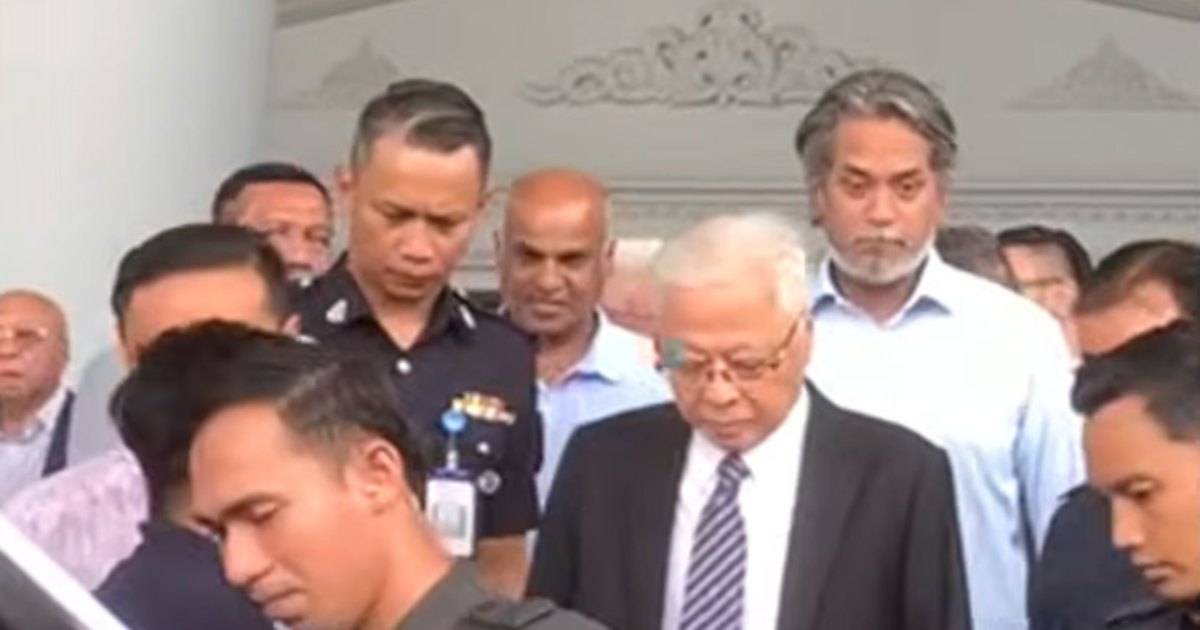
Khairy Jamaluddin's appearance at the Kuala Lumpur Court Complex during the charge proceedings against former prime minister Datuk Seri Ismail Sabri Yaakob has become a focal point for observers tracking Malaysia's intricate political manoeuvres. The former Umno Youth chief's presence at the hearing drew considerable notice from those monitoring developments affecting the party's leadership hierarchy, suggesting potential realignments within the coalition.
The gesture of support carries significance within Umno's internal dynamics, particularly given the party's continuing navigation of legal and political turbulence. Ismail Sabri's appearances in court have attracted consistent high-profile attendance from party figures, reflecting the stakes involved in cases against senior politicians from the ruling coalition. Such visible displays of solidarity or distance have become important signals in assessing the health of political relationships during periods of judicial scrutiny.
Khairy's participation underscores the interconnected nature of Umno's factional landscape, where personal political capital often translates into tangible courtroom presence. The former Youth leader maintained significant influence within party structures even after stepping down from his dedicated youth portfolio, positioning him as a barometer for sentiment among certain segments of the membership. His decision to attend the proceedings sends a message about the importance he places on maintaining ties with figures facing legal challenges.
The appearance also reflects broader patterns within Malaysian politics where high-profile legal cases involving government figures become rallying points for party unity or expressions of internal division. When senior members choose to publicly support their colleagues through courthouse appearances, they effectively communicate their political positioning and alignment to the wider party base and the general public. In contrast, absence or distance can signal disapproval or political repositioning.
Ismail Sabri has faced mounting legal pressures as investigations and court proceedings have progressed, with each hearing attracting attention to which party figures choose to demonstrate support. The backing of influential personalities like Khairy, who maintains his own significant standing within Umno despite changes in formal positions, carries particular weight. Such expressions of solidarity can influence how cases are perceived within party circles and among the voting public, even if they hold no legal relevance to the proceedings themselves.
The political context surrounding these court appearances extends beyond individual cases, touching on fundamental questions about party cohesion during challenging periods. Umno has demonstrated its capacity to maintain internal support networks despite external pressures, though tensions have occasionally surfaced regarding how the party should respond to members facing legal action. The presence of respected figures like Khairy helps reinforce narratives of party solidarity and collective responsibility during periods when the coalition faces scrutiny.
Observers of Malaysian politics continue to parse the significance of who attends such proceedings and what their presence suggests about factional alignments. The Kuala Lumpur Court Complex has become something of a barometer for measuring political relationships among the ruling coalition's leadership. Regular appearances by specific individuals create patterns that analysts and journalists monitor closely, seeking to discern whether support remains stable or whether shifts in attendance suggest changing dynamics.
For Southeast Asian observers tracking Malaysia's political developments, these courtroom scenes provide visible windows into the functioning of local political systems. While Western democracies might see such proceedings as purely legal matters, the Malaysian context infuses them with political significance that extends far beyond the formal judicial framework. The attendance of influential figures transforms hearings into occasions for public political messaging and relationship reinforcement.
Khairy's decision to turn up at the hearing demonstrates how personal political relationships intersect with public legal proceedings in Malaysia's contemporary political landscape. Whether such gestures influence outcomes remains unclear, but their symbolic weight in communicating party messages and maintaining factional cohesion appears well established. As Umno continues navigating a complex political environment involving multiple legal cases affecting senior figures, these visible expressions of support or distance will likely continue shaping perceptions of internal party dynamics and individual political standing.
The implications for Malaysian politics extend beyond the immediate case before the courts. How parties manage their responses to members facing legal scrutiny offers insights into their organisational health, the strength of personal networks, and the balance between institutional discipline and factional loyalty. Khairy's appearance exemplifies the ways that Malaysian politicians continue to operate within multiple overlapping networks of obligation, support, and political calculation that characterise the country's sophisticated but often opaque political system.

