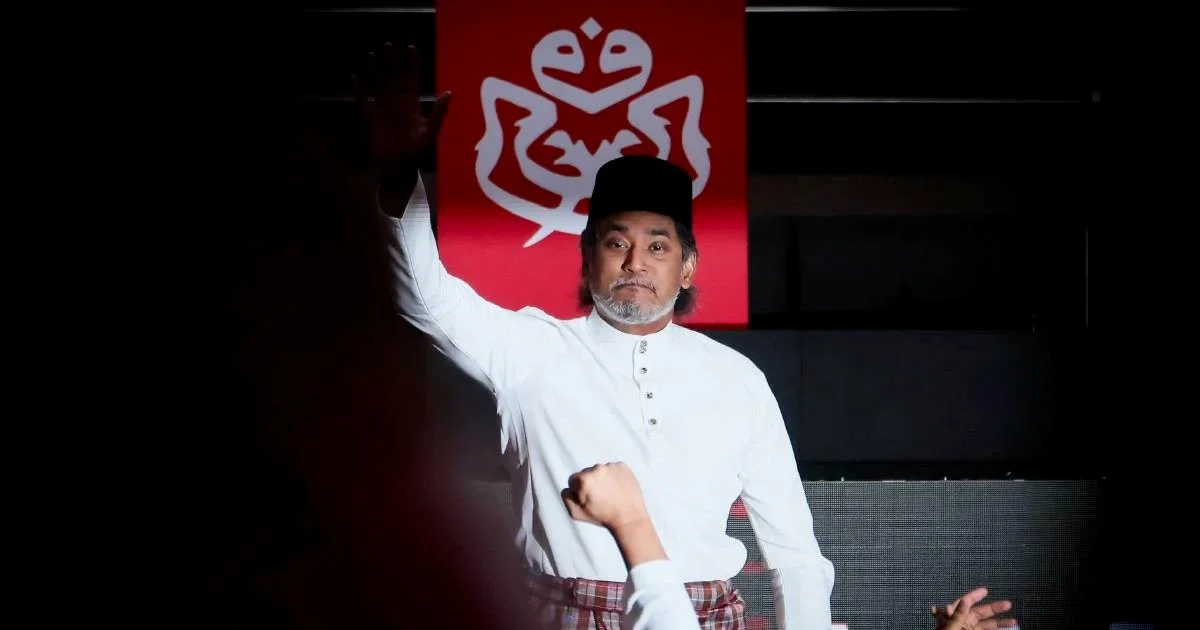
Former Rembau member of parliament Khairy Jamaluddin has stepped back from making a unilateral decision regarding his potential candidacy in the Negri Sembilan state election scheduled for August 1, instead deferring the matter to his party's top hierarchy. The move reflects the intricate balance of internal party dynamics within Umno as the organisation prepares for another electoral contest in the central Malaysian state.
This development comes at a significant juncture for the Umno party, which has been navigating internal faction rivalries and positioning for the upcoming state-level election. Khairy Jamaluddin, who previously represented the Rembau constituency in parliament, has been a visible figure within the party's younger generation of leaders. His willingness to leave the candidacy decision to party leadership rather than pursuing an independent path underscores the traditional hierarchical structure that remains influential within Umno's decision-making apparatus.
The timing of this announcement carries implications for Umno's electoral strategy in Negri Sembilan. The state has historically been a battleground where coalition politics play a crucial role, with Barisan Nasional's performance directly influencing the broader national political landscape. Negri Sembilan's relatively small voter base makes the state particularly susceptible to shifts in support, making each candidate selection consequential for the coalition's overall standing.
Khairy Jamaluddin's background as a former youth wing leader and his involvement in digital transformation initiatives have positioned him as a modernising force within the traditional party structure. His decision to defer to party leadership may be strategic, allowing him to avoid potential backlash from either supportive or opposing factions within Umno whilst maintaining flexibility depending on the party hierarchy's ultimate determination.
The August 1 election date marks an important test for the coalition government's popularity in the state. Negri Sembilan's political alignment has fluctuated between periods of coalition dominance and opposition strength, making electoral performance there a bellwether for broader regional sentiment. The state's economic reliance on manufacturing, agriculture, and services creates a distinct voter profile that differs from urban centres like Kuala Lumpur and Selangor, requiring targeted campaign strategies.
Umno's internal selection process for state elections involves consultation among various stakeholders, including state-level party divisions, federal-level leadership, and coalition partners. This consultative framework, whilst sometimes cumbersome, has traditionally served to maintain party cohesion by ensuring that candidate selections reflect broader consensus rather than individual ambition. Khairy Jamaluddin's deference to this process demonstrates his alignment with institutional expectations.
The broader context of Malaysian state elections suggests that incumbent performance and internal party stability significantly influence electoral outcomes. Recent state elections across Malaysia have demonstrated voter sensitivity to governance quality, economic management, and perceived corruption. Negri Sembilan's relatively smaller state budget and voter population make governance issues particularly salient for residents who can more directly observe and evaluate administration performance.
For the coalition partnership, Negri Sembilan represents territory where both Umno and its alliance partners must negotiate seat allocation and campaign coordination. The state's political composition involves multiple constituencies where Umno competes alongside partners like MCA and MIC, requiring careful choreography to avoid intra-coalition conflicts that could undermine unified messaging and voter mobilisation efforts.
Khairy Jamaluddin's parliamentary experience in Rembau, a neighbouring state with shared demographic characteristics, positions him as someone with relevant understanding of local dynamics should party leadership select him as a candidate. His knowledge of central region constituencies and relationships cultivated through his parliamentary tenure could translate into organisational advantages during the election campaign.
The decision-making process now rests with Umno's upper echelons, who must weigh multiple factors including candidate viability, regional representation, internal party balance, and overall electoral competitiveness. This consultative approach, whilst potentially time-consuming, reflects the reality that successful electoral performance requires alignment between party machinery and candidate selection.
Looking ahead to August 1, the Negri Sembilan election will test whether Umno's leadership can effectively translate internal cohesion into electoral success. The party's ability to present credible candidates who command local respect whilst maintaining national policy consistency remains crucial for the coalition's continued relevance in Malaysia's evolving political landscape. Khairy Jamaluddin's willingness to accept whatever determination emerges from party leadership discussions exemplifies this broader institutional approach.