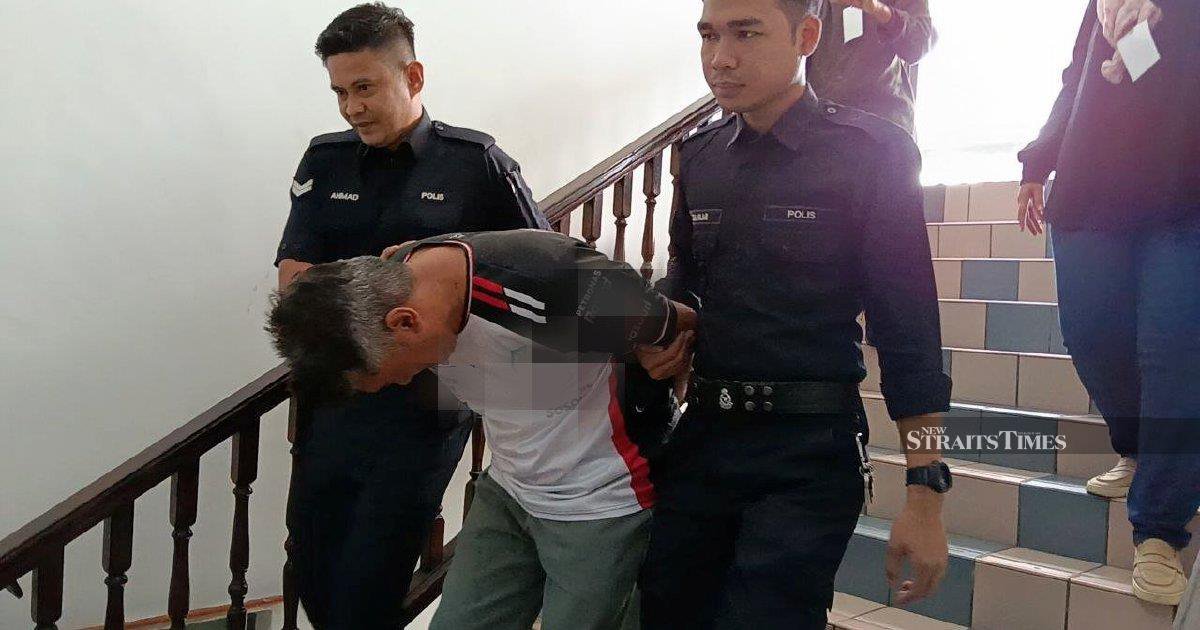
A seafood snack vendor in Melaka has become the latest individual to face criminal charges related to an unconventional smuggling operation, appearing before magistrate's court after allegedly using a drone to transport tobacco into one of the state's detention facilities. The 29-year-old keropok seller stands accused of criminal trespass and smuggling contraband into Sungai Udang Prison using an unmanned aerial vehicle, with the alleged incident occurring last week. The charges represent an emerging concern within Malaysia's correctional system about the sophistication of contraband delivery methods, moving beyond traditional hand-to-hand exchanges during visitation hours.
The use of drones to circumvent prison security represents a troubling escalation in how smuggling operations are executed at Malaysian detention centres. Historically, prisons have contended with contraband entering through visitors, maintenance workers, and corrupt staff members. The shift towards technological solutions suggests that organised groups facilitating illegal prison trade are adapting their tactics to exploit gaps in physical security perimeters. Sungai Udang Prison, a medium-security facility housing inmates across multiple security classifications, has become the focal point of this particular operation, raising questions about the adequacy of existing countermeasures against airborne contraband delivery systems.
Tobacco remains among the most sought-after commodities within Malaysian prisons, commanding premium prices due to its restricted status and addictive properties. Incarcerated individuals who have cultivated nicotine dependencies often exchange personal items, money from family members, or prison privileges to obtain supplies of cigarettes, tobacco pouches, and rolling papers. The economics of prison contraband create powerful incentives for individuals outside the system to establish supply chains, transforming what might appear to outsiders as a minor infraction into a lucrative criminal enterprise. A single successful drone delivery of tobacco products could generate substantial profit margins for those orchestrating the operation.
The keropok seller's involvement suggests the operation may have been coordinated by individuals with limited criminal backgrounds or connections to organised crime networks, or conversely, that criminal syndicates are deliberately employing less conspicuous actors to reduce detection risk. The choice of vendor occupation presents an interesting angle—someone selling a legitimate food product in public spaces maintains regular mobility and less scrutiny than individuals with known associations to contraband networks. This operational model demonstrates how criminal enterprises can strategically deploy seemingly ordinary citizens as intermediaries in their supply chains.
Drone technology has presented authorities across Southeast Asia with novel enforcement challenges. Lightweight and increasingly affordable unmanned aircraft can traverse prison perimeters silently and rapidly, delivering packages before security personnel mobilise responses. Malaysian prisons have reported previous drone-related incidents, yet the correctional system's technological defences appear to lag behind the sophistication of smuggling methods. Counter-drone technology exists but remains expensive and requires advanced infrastructure—resources that may exceed the budgetary allocation for individual facilities like Sungai Udang.
The incident underscores vulnerabilities within Malaysia's three-tier prison security framework. While maximum-security facilities house high-risk detainees under intensive monitoring, medium-security prisons balance rehabilitation objectives with operational flexibility, sometimes at the expense of perimeter vigilance. Staff shortages, inadequate surveillance coverage in certain zones, and the inherent difficulty of monitoring open-sky areas create operational gaps that determined smugglers can exploit. The prison service has acknowledged these constraints in internal assessments, yet systemic improvements require sustained funding and policy coordination across multiple government agencies.
From a regional perspective, Malaysia's experience reflects broader challenges confronting correctional systems throughout Southeast Asia. Thailand, Indonesia, and the Philippines have all documented drone smuggling attempts, suggesting this represents a coordinated trend rather than isolated incidents. Intelligence sharing among regional prison authorities remains underdeveloped, meaning lessons learned in one jurisdiction are not systematically communicated to neighbouring countries. A collaborative framework addressing drone smuggling specifically could enhance collective security while reducing individual facility expenditure on redundant countermeasures.
The prosecution of the keropok seller also raises questions about supply-side enforcement versus demand management. While prosecuting individuals caught conducting smuggling operations addresses symptoms, the underlying demand from incarcerated individuals for tobacco creates structural incentives perpetuating the problem. Some prison systems internationally have implemented harm-reduction approaches, including regulated access to nicotine replacement therapies, though such policies remain contentious in Malaysia's correctional environment. Without addressing root demand factors, interdicting individual supply operations provides temporary relief rather than systemic resolution.
The case carries implications for how Malaysian courts approach emerging technologies in criminal proceedings. Prosecutors must establish that the defendant operated the drone with knowledge and intent to introduce contraband, requiring technical expertise testimony and evidence linking the device to the tobacco delivery. The magistrate's court decision in this matter could establish precedent for similar cases involving drones or other unmanned systems, particularly as technology becomes more accessible and more frequently deployed in criminal activities.

