A Kenyan High Court has delivered a contempt of court ruling against Health Minister Aden Duale for pressing ahead with construction of a controversial Ebola quarantine facility despite explicit judicial orders to suspend the project. Judge Patricia Nyaundi determined on Monday that Duale had flagrantly disregarded court directives issued on May 28 and reaffirmed on June 2, continuing to oversee development activities at the Laikipia Air Base site near Nanyuki. The minister now faces potential sanctions and has been summoned to appear before the court for mitigation proceedings and sentencing.
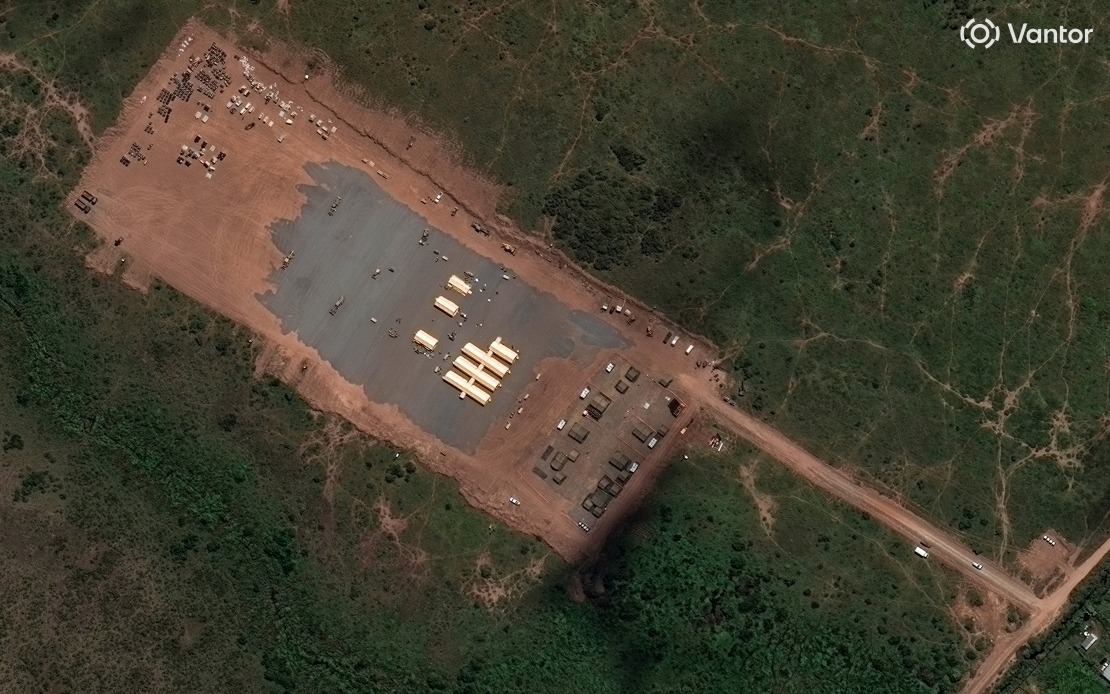
The disputed installation is a 50-bed quarantine and isolation centre designed to accommodate American personnel who may have been exposed to Ebola during response operations tied to outbreaks in the Democratic Republic of the Congo and neighbouring regions. Situated approximately 200 kilometres north of Nairobi, the facility forms part of a health security arrangement that has proven deeply unpopular among Kenyan civil society, opposition figures, and residents of Laikipia County. The project's origins trace to a direct request from United States President Donald Trump, which Kenya's President William Ruto publicly acknowledged while defending the initiative as a demonstration of bilateral health cooperation.
The constitutional rights organisation Katiba Institute initiated the legal challenge that resulted in the suspension, arguing that the government had failed to observe proper constitutional procedures and public participation requirements. The petitioners raised concerns about potential public health risks, transparency deficiencies, and the absence of adequate community consultation before construction commenced. Their legal arguments resonated with the judiciary, which recognised sufficient merit to impose a temporary halt pending full hearing of the case.
Yet despite these court orders, construction activities have continued. Duale's actions in overseeing the project's advancement have now been formally classified as contempt, a serious breach of judicial authority that undermines the rule of law. The judge's findings indicate that the minister knowingly disregarded multiple court directives, viewing them as obstacles to be circumvented rather than legal obligations demanding compliance. This defiant posture has significant implications for Kenya's judicial independence and the government's commitment to respecting court orders.
Kenya's government has consistently argued that the facility represents an essential component of the nation's preparedness against Ebola transmission, citing the country's strategic position as a regional transport, commercial, and diplomatic centre. Officials maintain that proximity to disease hotspots necessitates robust quarantine capacity, and that refusing the American proposal would weaken East African disease surveillance capabilities. The US Embassy in Nairobi has reinforced these arguments, issuing statements asserting that the facility poses no threat to surrounding populations and contributes to strengthened regional pandemic response infrastructure.
However, these official justifications have failed to quell public opposition. Laikipia County residents have organised sustained demonstrations against the project, with protesters accusing authorities of prioritising foreign interests over local concerns and disregarding both community voices and judicial oversight. Tensions have escalated dramatically, with at least three people killed during protest-related incidents according to law enforcement, eyewitness accounts, and human rights organisations monitoring the situation. The death toll underscores the intensity of community resistance and raises questions about whether the government's approach has adequately addressed legitimate grievances.
The contempt finding places the government in an awkward position. Complying with the court now requires halting construction and respecting judicial suspension orders, potentially straining the Kenya-United States relationship and contradicting commitments made to Washington. Conversely, continuing defiance risks further judicial sanctions against Duale personally and could trigger additional legal proceedings that further complicate the project's timeline and credibility. The situation reflects broader tensions within Kenya between executive prerogatives in foreign relations and the judiciary's duty to enforce constitutional requirements around transparency and public participation.
For the broader Southeast Asian region, this dispute offers instructive lessons about managing health security partnerships with Western nations. Like Kenya, several Association of Southeast Asian Nations members host military or health facilities with American involvement, arrangements that similarly generate public controversy regarding sovereignty, transparency, and community impact. The Kenyan case demonstrates the hazards of implementing infrastructure projects linked to sensitive security matters without establishing robust public communication strategies and genuine community engagement mechanisms from inception.
The legal precedent also highlights how courts throughout the Global South can serve as meaningful checks on executive overreach, even when projects claim compelling health justifications. Judge Nyaundi's willingness to enforce orders despite government intransigence suggests that judicial independence, though sometimes fragile, can provide recourse when administrative officials dismiss constitutional requirements. This outcome may embolden other communities and civil society organisations across East and Central Africa to pursue similar legal challenges against development projects they perceive as insufficiently transparent or inadequately participatory.
Looking ahead, the contempt proceedings will test whether Kenya's judiciary can maintain its independence when facing pressure from both the executive and international partners. The sanctions Duale faces could set precedent regarding consequences for ministerial defiance of court orders. Simultaneously, the underlying dispute over the facility's necessity remains unresolved, suggesting that even if construction halts pending trial conclusion, political pressure to resume work will likely intensify, particularly if disease outbreaks occur in neighbouring regions.