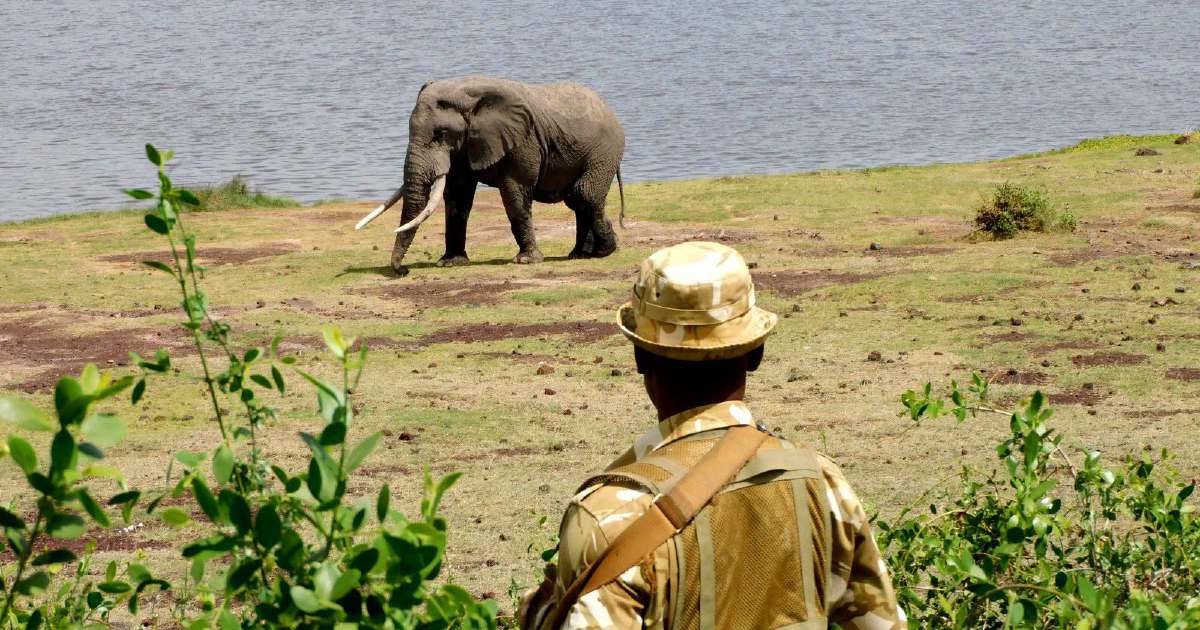
Kenya's wildlife protection agency has opened a formal inquiry into the sudden deaths of 15 elephants discovered at Amboseli National Park, according to an announcement by the Kenyan Wildlife Service this week. The clustering of fatalities within a single month has triggered alarm bells among conservation officials and wildlife experts, who fear the deaths may signal either environmental contamination, disease outbreak, or organised poaching activity in one of East Africa's most significant elephant habitats.
Amboseli National Park, situated in the shadow of Mount Kilimanjaro near the Tanzanian border, remains one of Kenya's premier wildlife destinations and a critical refuge for elephant populations across the wider region. The park has historically hosted substantial herds and serves as a crucial research site where scientists have conducted decades-long studies on elephant behaviour, social structures, and long-term survival patterns. The sudden loss of a significant number of animals in such a concentrated timeframe threatens to disrupt both the ecological balance within the park and ongoing scientific efforts to understand elephant population dynamics.
The investigation represents a critical moment for wildlife management in Kenya, a nation that has positioned itself as a conservation leader in Africa despite persistent challenges from poaching, habitat degradation, and human-wildlife conflict. Amboseli's elephant population carries particular scientific and symbolic weight, with individual animals having been monitored and studied continuously for generations. The mysterious deaths therefore extend beyond simple mortality statistics, potentially compromising long-term data collection and conservation strategies built on generational knowledge of the herds.
Preliminary investigations must determine whether these deaths stem from natural causes such as disease transmission, contamination of water sources, or toxic plant ingestion. Elephants in Amboseli depend heavily on the park's groundwater resources, which can become contaminated through various means including industrial runoff, agricultural pollution filtering from surrounding areas, or natural mineral imbalances that occasionally arise in the region's volcanic soils. The timing and geographical clustering of deaths will prove essential in ruling in or out environmental poisoning scenarios.
Disease outbreaks present another significant concern that investigators must evaluate thoroughly. Elephants remain susceptible to various pathogens, and concentrated populations in relatively confined park boundaries can facilitate rapid disease transmission if sanitary conditions deteriorate or if the herds encounter novel pathogens. Veterinary teams will likely conduct comprehensive pathological examinations on deceased animals to identify bacterial, viral, or parasitic causation factors that might explain the mortality pattern.
The spectre of organised poaching also looms over the investigation, though the Kenyan Wildlife Service's approach suggests officials are treating multiple hypotheses with equal seriousness at this stage. Elephant poaching has resurged across parts of East Africa in recent years as ivory trafficking networks adapt their tactics and exploit weak enforcement in certain regions. However, the characteristics of these deaths—specifically whether carcasses bear evidence of deliberate injury, missing tusks, or signs of ammunition—will quickly clarify whether criminal activity played a role.
For Malaysian readers and Southeast Asian observers, the Amboseli situation carries instructive implications regarding wildlife management challenges that transcend geography. Nations across the region face parallel pressures from habitat loss, human encroachment, and transnational poaching networks targeting iconic megafauna. The investigation into these elephant deaths in Kenya demonstrates the importance of rapid response protocols, cross-disciplinary expertise, and transparent communication between wildlife authorities and scientific institutions—lessons directly applicable to conservation efforts across Malaysia's national parks and protected areas.
Kenya's approach to this crisis also reflects broader regional concerns about the vulnerability of concentrated wildlife populations. Amboseli's elephants, like the rhinoceros and tiger populations found in Malaysia and neighbouring countries, represent irreplaceable biodiversity assets that generate substantial economic returns through ecotourism while serving critical ecological functions. The sudden loss of 15 individuals underscores how quickly environmental or biological disruptions can threaten populations that may already be stressed by fragmented habitats and changing climate patterns.
The investigation will likely involve collaboration between Kenya's Wildlife Service, international conservation organisations, veterinary specialists, and possibly overseas research institutions that maintain historical data on Amboseli's elephant populations. Such multi-agency coordination models resemble approaches increasingly adopted across Southeast Asia, where transnational wildlife protection challenges demand coordinated responses that transcend national boundaries. The findings emerging from Kenya's investigation may inform best practices adopted by Malaysian authorities managing their own protected areas.
Immediate management responses may include restricting access to certain park zones, implementing water quality testing, and conducting aerial surveys to establish whether additional mortality events have occurred undetected. Environmental sampling and necropsy results will form the foundation of subsequent management decisions, potentially requiring veterinary interventions, habitat modifications, or enforcement escalations depending on what the evidence reveals.
The broader implications extend to global wildlife conservation funding and policy prioritisation. High-profile mortality events at renowned parks like Amboseli attract international attention and resources that can accelerate investigation and remediation efforts. Conversely, similar crises affecting less famous or less accessible wildlife populations across Africa and Asia often proceed without comparable scrutiny or support, creating inequities in conservation capacity that deserve serious consideration among policymakers and donors.

