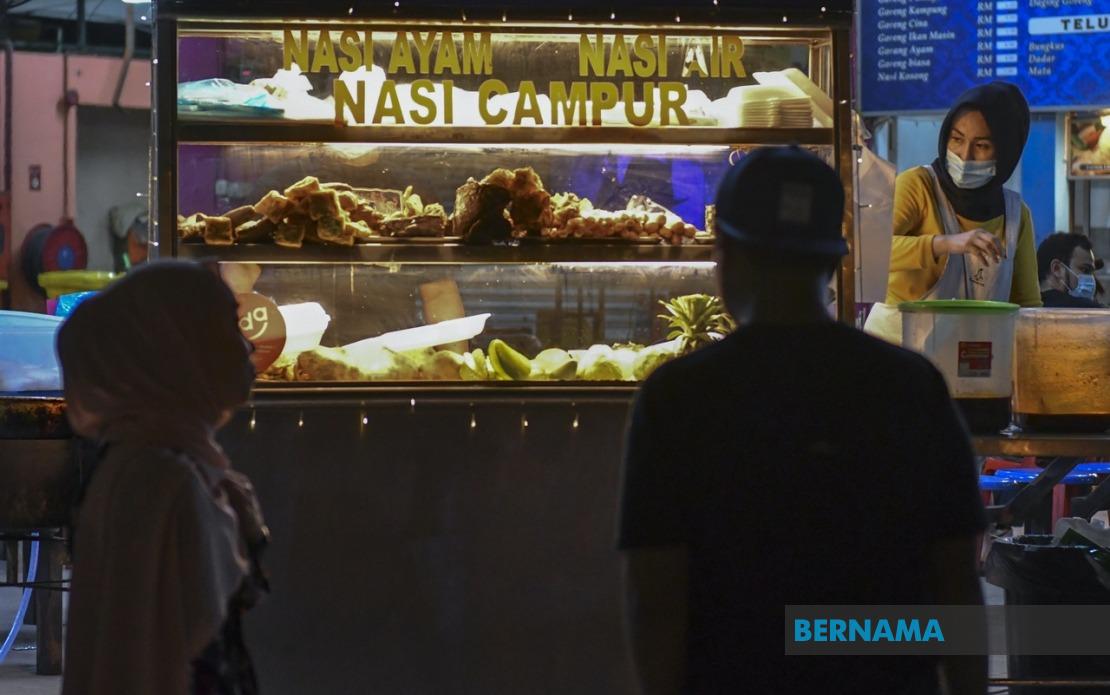
The Kelantan state government has committed to strengthening oversight of its food service sector in response to mounting public concern over halal standards, officials announced in Kota Bharu on July 15. The pledge comes after allegations circulated widely on Facebook questioning the halal certification status of multiple food premises, drawing considerable online attention and sparking debate within Muslim consumer communities across the state.
Mohd Asri Mat Daud, chairman of the State Islamic Development, Dakwah, Information and Regional Relations Committee, explained that authorities are currently conducting preliminary fact-finding work to gather fuller details about the allegations before determining their next steps. He stressed that the state government has not yet received formal written complaints regarding the matter, though investigators stand ready to examine any claims that emerge through official channels. The preliminary investigation phase underscores the government's measured approach to allegations that, while viral, lack formal documentation at the administrative level.
Enforcement responsibility rests with the Kelantan Islamic Religious Affairs Department, which will coordinate closely with Mohd Asri's committee during any investigations that proceed. This institutional arrangement reflects the division of labour between religious oversight bodies and broader government policy committees in the state's administrative structure. By ensuring liaison between departments, officials aim to prevent gaps in investigation and coordinate a consistent response across the machinery of state.
Should concerns about halal compliance prove substantiated, Kelantan intends to substantially increase the frequency of monitoring visits and spot inspections at food operations throughout the state. Mohd Asri articulated the rationale clearly: allowing such practices to continue unchecked risks normalising non-compliance and spreading dubious standards across the sector. The state's religious authorities view periodic compliance breaches as potentially contagious, capable of undermining sector-wide confidence if left unchallenged. This preventative stance reflects a broader conviction that early detection and corrective action serve long-term consumer protection better than reactive enforcement.
Kelantan's officials sent a direct message to food operators about their responsibilities beyond commercial considerations. Mohd Asri cautioned business owners against prioritising profit margins at the expense of shariah requirements, warning that such behaviour erodes Muslim consumer confidence in the premises they patronise. The appeal targets the ethical dimensions of religious compliance, framing halal standards not merely as regulatory boxes to tick but as trust-based commitments that undergird customer loyalty and social legitimacy within Muslim-majority communities.
The committee chairman additionally encouraged members of the public to exercise greater vigilance regarding which establishments they frequent, urging consumers to verify halal status before dining. This citizen-focused messaging delegates partial responsibility to end users, framing consumer awareness as complementary to official enforcement. In the Malaysian context, where social media rapidly amplifies food safety and religious compliance concerns, mobilising public consciousness serves as an informal accountability mechanism.
Amongst its recommended solutions, the state government is promoting Malaysia's formal Halal Certification scheme as a pathway toward stronger standardisation and consumer confidence. Officials have set a processing target of 30 days for certification applications, contingent upon applicants meeting baseline readiness standards and adhering to prescribed guidelines. This expedited timeline aims to remove administrative friction that might otherwise discourage sincere operators from seeking formal certification, thereby expanding the certified premise base and raising overall sector standards.
The Facebook disclosure that triggered this chain of events identified multiple food establishments operated by non-Muslim proprietors and patronised regularly by Muslim customers, raising questions about whether their halal claims and certifications met official requirements. The post's rapid circulation illustrated how digital platforms now shape public discourse around religious compliance in everyday commerce, with single users capable of prompting government-level policy responses within days. This dynamic reflects broader shifts in accountability mechanisms within Southeast Asian governance, where online communities can quickly escalate local grievances into matters requiring official intervention.
Kelantan's response demonstrates how state religious authorities are adapting their oversight approaches to the realities of digital-age scrutiny. Rather than dismissing online allegations as unverified rumour, officials have engaged substantively by committing to investigation and pledging enforcement escalation. This reflects an implicit recognition that social media criticism, even lacking formal documentation, signals genuine consumer anxiety that warrants administrative attention. The state's measured but decisive posture—neither dismissing concerns nor overreacting—aims to reassure Muslim consumers while preserving due process.
For Malaysia's broader halal ecosystem, the Kelantan case underscores persistent questions about certification integrity and enforcement consistency across states. With halal markets increasingly important to Malaysia's regional economic positioning and export credentials, maintaining robust compliance standards carries implications beyond individual states. Kelantan's experience suggests that as commercial food operations become more ethnically diverse, systematic verification and consumer communication about halal status will become ever more central to regulatory frameworks throughout the country.

