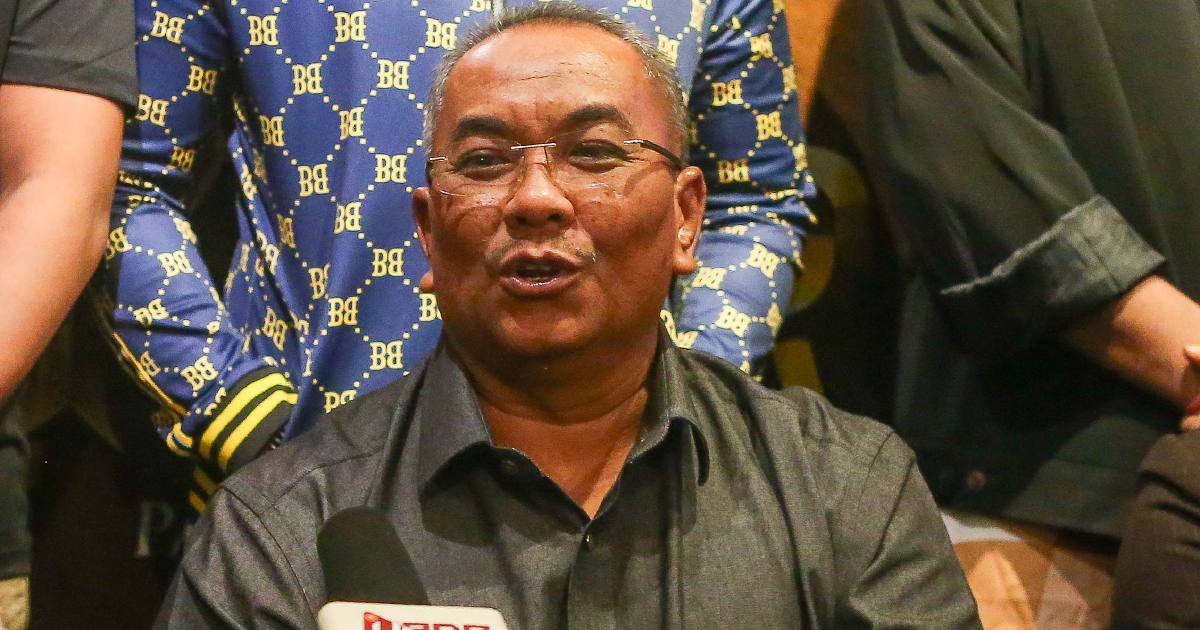
Kedah Menteri Besar Datuk Seri Muhammad Sanusi Md Nor has escalated a political dispute by formally issuing letters of demand to three individuals, including DAP deputy chairman Nga Kor Ming, over their alleged distortion of his public statements. The move represents a significant hardening of the confrontation between the Perikatan Nasional-led state government and the opposition coalition, signalling Sanusi's willingness to pursue legal remedies in response to claims he regards as defamatory.
The letters of demand centre on remarks Sanusi made during a recent ceramah gathering in Negri Sembilan, where he addressed supporters on matters of political importance. According to Sanusi's account, his words were taken out of context or deliberately misrepresented by Nga and his two co-respondents, causing reputational harm and necessitating formal legal intervention. This approach mirrors how Malaysian political figures increasingly resort to legal threats when public disputes arise, particularly when accusations touch on character or credibility.
Nga Kor Ming's inclusion as a principal defendant in the action underscores the intensity of partisan tensions in Malaysian politics. As the DAP's number two figure nationally, Nga wields considerable influence within the Democratic Action Party and opposition parliamentary networks. His alleged involvement in the misquotation suggests the controversy transcends local Kedah politics and carries significance for the broader opposition-government dynamic at national level. The DAP, as a component of the Pakatan Harapan alliance, remains a frequent target of criticism from Perikatan Nasional figures and state administrations aligned with that coalition.
The use of letters of demand represents a preliminary legal step that typically precedes defamation lawsuits in Malaysian civil procedure. By serving such notices, Sanusi formally documents his grievance, establishes a timestamped record of the alleged wrongdoing, and provides the recipients an opportunity to retract statements or negotiate settlement before litigation commences. This graduated approach allows political actors to exert legal and reputational pressure whilst maintaining options for negotiation or de-escalation.
From a Malaysian political perspective, the incident reflects the increasingly litigious nature of electoral competition and parliamentary debate. Opposition figures have faced similar legal actions from government representatives and private parties across multiple states, creating a pattern where electoral losses or policy disagreements culminate in courtroom battles. This development raises questions about whether legal mechanisms are being deployed as political tools to silence opposition voices or whether politicians across the spectrum genuinely face routine misrepresentation requiring formal redress.
The ceramah in Negri Sembilan where Sanusi's contested remarks originated indicates the incident arose during opposition outreach activities or political networking events. Such gatherings frequently generate statements that find their way into social media, news coverage, and inter-party accusations. The informal setting of a ceramah means remarks may lack the precision of parliamentary statements subject to Hansard recording, creating genuine space for differing interpretations of what was actually said and its intended meaning.
For Southeast Asian observers, the Sanusi-Nga confrontation exemplifies how Malaysian opposition and ruling coalitions engage in sustained political competition through multiple channels simultaneously. Rather than confining disputes to parliamentary debate or electoral campaigns, both sides mobilise legal, media, and institutional mechanisms to advance partisan interests. This multi-front approach characterises Malaysian political culture and distinguishes it from systems where opposition-government competition occurs primarily through formal electoral and legislative mechanisms.
The identity of the two other recipients of letters of demand remains significant but unspecified in available reporting. They may include journalists, social media influencers, or party operatives accused of amplifying or republishing the allegedly distorted statements. This suggests Sanusi's legal strategy targets not merely the primary figure allegedly responsible for the misquotation but also secondary actors in its dissemination, an approach that broadens the scope of potential legal liability.
Kedah's political landscape under Sanusi's leadership has witnessed deepening polarisation between Perikatan Nasional and Pakatan Harapan factions. As a senior figure within the PN coalition, Sanusi's legal actions carry implications beyond individual grievances, reflecting broader coalition strategies to constrain opposition political activity. The formal nature of letters of demand, as distinct from informal complaints, signals institutional commitment to pursuing the matter through to potential trial and judgment.
The implications for Malaysian politics suggest that defamation and misrepresentation claims will remain potent political weapons as digital communication expands opportunities for rapid statement dissemination and reinterpretation. Political figures investing in careful communication and documentation of remarks gain advantages in subsequent disputes, whilst those speaking more spontaneously face greater exposure to allegations of misquotation. This dynamic may gradually incentivise more cautious, scripted political communication rather than spontaneous engagement with supporters.
For opposition politicians and DAP representatives specifically, the Sanusi action demonstrates the costs of engaging in aggressive interpretation or critique of ruling coalition figures' statements. Whether such legal actions ultimately succeed on substantive grounds or serve primarily as warnings against future criticism remains an open question, but their deterrent effect on political discourse is already evident in Malaysian political practice across state and federal levels.

