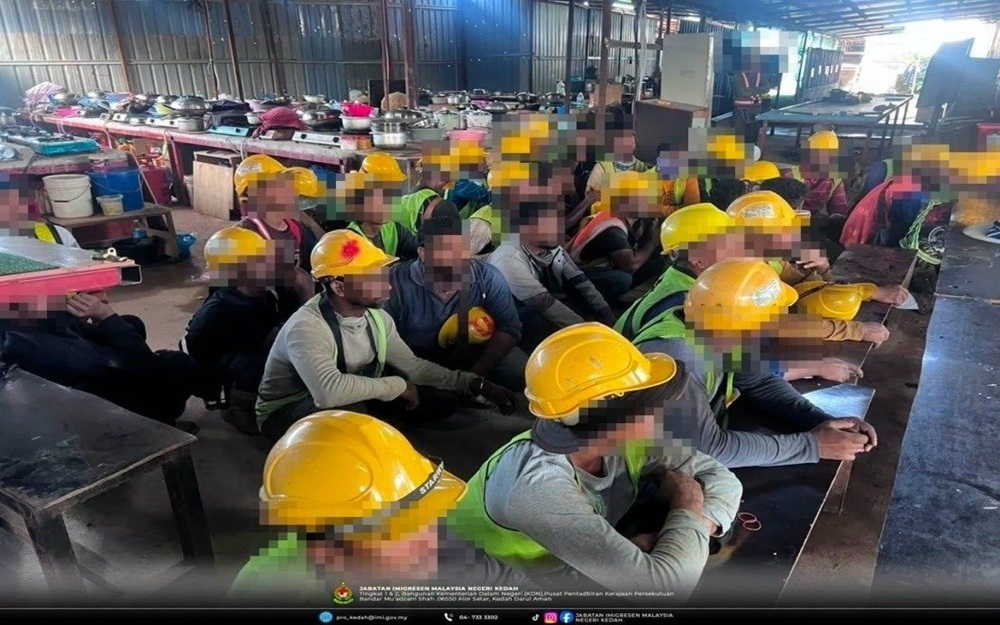
The Kedah Immigration Department's latest enforcement drive has resulted in the detention of 81 undocumented migrants at a construction site in Alor Setar, marking a significant operation under the Ops Sapu initiative aimed at curbing unauthorised residence in the country. The mass arrest underscores the persistent challenge of illegal migration in Malaysian construction and manufacturing sectors, where undocumented workers remain embedded despite repeated enforcement campaigns.
Ops Sapu, which translates to "sweep operation," represents a targeted immigration enforcement strategy designed to identify and apprehend foreign nationals residing or working in Malaysia without proper documentation. These individuals, who were discovered during the raid on the construction site, now face processing through immigration channels and potential deportation proceedings. The operation reflects heightened vigilance in Kedah, a state that has witnessed increasing scrutiny over irregular migration patterns in recent years.
Construction sites have consistently emerged as epicentres for undocumented labour recruitment across Malaysia. The sector's reliance on migrant workers to fill labour gaps, coupled with lower regulatory oversight at individual worksites, creates conditions where employers can circumvent formal hiring procedures. The scale of this single operation—yielding over 80 individuals from one location—suggests significant structural vulnerabilities in workplace monitoring and contractor compliance mechanisms that warrant systemic attention from both enforcement agencies and industry bodies.
The detection of such large concentrations of undocumented workers points to the involvement of human trafficking networks and labour brokers who facilitate illegal migration for profit. These intermediaries exploit vulnerable foreign nationals, often charging substantial placement fees while providing false documentation and promises of legitimate employment. The individuals arrested typically possess minimal bargaining power, facing wage theft, unsafe working conditions, and vulnerability to exploitation without legal recourse or protective mechanisms.
For Malaysia's immigration authorities, operations like this serve dual purposes. Beyond the immediate objective of removing unauthorised residents, they generate intelligence about smuggling routes, trafficking methods, and employment networks facilitating illegal migration. This information helps authorities design more targeted future interventions and identify complicit employers and intermediaries who systematically circumvent labour regulations. The data gathered through such raids informs policy discussions about border security, workplace inspections, and employer accountability measures.
The implications for Malaysia's formal labour market remain substantial. When undocumented workers become available at depressed wages without benefits or protections, they undercut formal employment standards and suppress wages for both migrant workers holding valid permits and Malaysian citizens in comparable roles. This wage suppression effect, particularly pronounced in construction, creates disincentives for young Malaysians to enter physically demanding trades, exacerbating long-term labour market imbalances. Construction industry representatives and labour unions have repeatedly flagged this dynamic as economically counterproductive.
Kedah's role in Malaysia's migration landscape warrants closer examination. As a northern border state adjacent to Thailand, it experiences distinct migration pressures compared to other regions. The state serves as both a destination for migrant workers seeking employment in its manufacturing and agricultural sectors, and a transit point for irregular migrants moving toward more industrialised areas. Immigration enforcement intensity must be calibrated to address these regional specificities while avoiding disruptions to legitimate cross-border commerce and movement.
The detained individuals will now enter a formal processing system where their identities are verified, their countries of origin established, and deportation arrangements initiated. This process involves coordination between Malaysian authorities and foreign embassies, which itself can be protracted. Meanwhile, these individuals remain in immigration detention facilities, raising humanitarian considerations around detention conditions, access to consular assistance, and the welfare of any children or dependents they may have in Malaysia.
The effectiveness of Ops Sapu depends partly on follow-up investigations targeting the employers and intermediaries who recruited these workers. Without addressing the demand side of illegal labour markets—the employers who hire undocumented workers and the brokers facilitating transactions—enforcement becomes cyclical: migrants are removed, but networks persist and recruit replacements. More integrated approaches combining workplace inspections, employer prosecutions, and financial penalties alongside immigration enforcement tend to yield more durable results.
For Malaysian policymakers, this operation reinforces broader questions about migration management strategy. As Malaysia pursues its economic transformation agenda, balancing labour market needs with sovereignty concerns and worker protections requires sophisticated policy design. Regional cooperation with Thailand, Bangladesh, Indonesia, and other major source countries remains critical to disrupting trafficking networks and establishing mutual standards for worker protections. The Kedah operation illustrates why comprehensive approaches matter more than isolated enforcement actions.
Moving forward, the construction sector specifically may require enhanced regulatory frameworks, including digital worker registration systems, mandatory contractor compliance certifications, and surprise inspection protocols. Such measures could maintain necessary labour supply while reducing irregular migration pathways. The 81 individuals detained in Alor Setar represent symptoms of deeper systemic issues in how Malaysia manages migrant labour—issues that enforcement alone cannot resolve without complementary policy interventions and industry cooperation.

