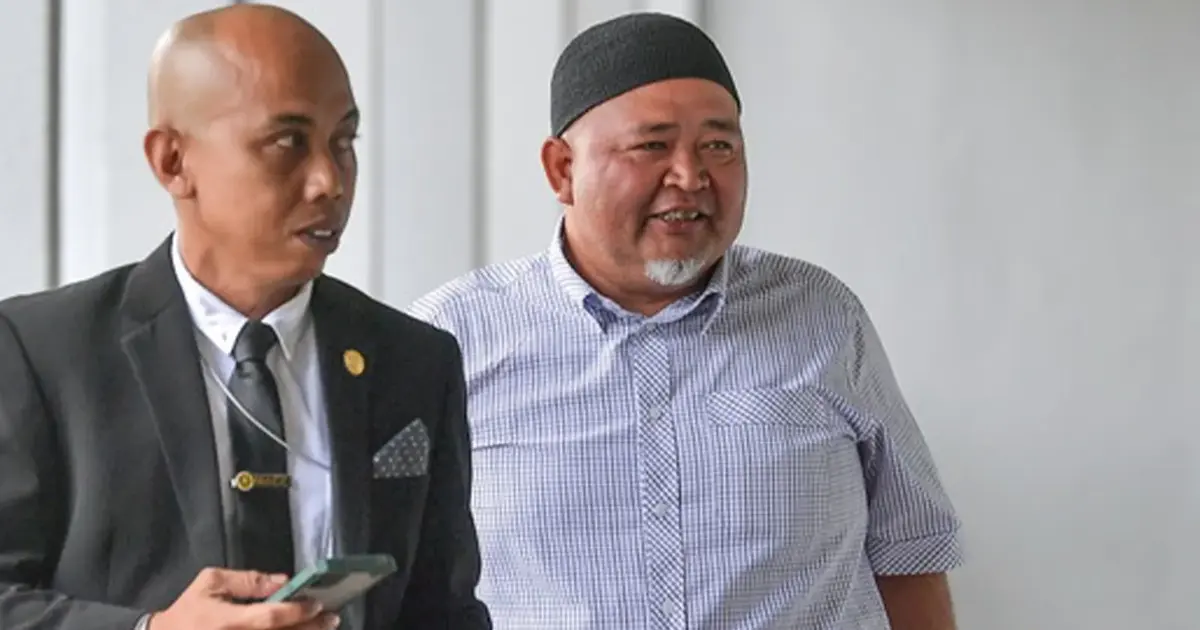
The judicial momentum in a high-profile bribery investigation accelerated on Tuesday when the Kuala Lumpur sessions court determined that the prosecution had presented adequate evidence to warrant a full defence from the accused. Judge Suzana Hussin's ruling that the state bears sufficient proof against Hilmi Abdul Wahab marks a significant procedural milestone in the case, which touches upon rare earth element operations—a sector of considerable economic and strategic importance to Malaysia's industrial landscape.
The finding of a prima facie case represents a threshold moment in Malaysian criminal proceedings. It does not constitute a guilty verdict but rather signals that the prosecution has demonstrated credible evidence meeting the standard required for the defence to present its case. Hilmi Abdul Wahab, who previously served in an advisory capacity to the Kedah Chief Minister, must now present evidence and arguments countering the allegations levelled against him. This progression typically indicates that the court has found the prosecution's narrative and evidentiary foundation sufficiently compelling to proceed beyond the initial dismissal phase.
Rare earth elements occupy a critical position within Malaysia's resource economy and global supply chains. These materials—essential for everything from smartphones and renewable energy systems to defence applications—have become increasingly valuable as nations worldwide compete for access and processing capability. The alleged impropriety in this sector carries implications beyond the immediate case, touching upon governance standards and investor confidence in how such strategically significant industries are managed and regulated within the country.
The connection to the Kedah Chief Minister's office, though indirect through an aide relationship, underscores the heightened scrutiny applied to political figures and their associates in matters of corruption or financial impropriety. State-level leadership positions carry substantial power over licensing, contracts, and regulatory decisions affecting commercial ventures, including those in resource extraction and processing. Any suggestion of undue influence or bribery in such contexts raises broader questions about administrative integrity and the protection of public interest.
Hilmi Abdul Wahab's transition from an operational role to the defendant's bench represents a cautionary tale within Malaysian political circles, where the distinction between legitimate political support networks and problematic patronage relationships remains contentious. Former advisers or aides occupy ambiguous positions—neither formal office-holders subject to strict conflict-of-interest provisions nor entirely private citizens removed from the machinery of government. Their proximity to decision-making authority, combined with relative institutional obscurity, sometimes creates environments where ethical boundaries blur.
The court's determination follows what would have been a submission of no case to answer or the prosecution's case presentation. Sessions courts in Malaysia handle a wide range of criminal matters, and the assignment of such proceedings to judges like Suzana Hussin reflects the serious nature of corruption allegations. The procedural framework ensuring proper scrutiny at multiple stages—from initial investigations through court examination—aims to guarantee that accusations meet evidentiary thresholds before defendants must expend resources mounting defences.
For Malaysian observers of governance and accountability mechanisms, this case illustrates both the functioning and the challenges within the judicial oversight of political corruption. While the finding validates prosecution efforts and the investigative process preceding charges, the actual guilt or innocence of Hilmi Abdul Wahab remains undetermined. His defence now has opportunity to challenge the state's narrative, present contradictory evidence, and test the credibility of witnesses and documentation presented against him.
The rare earth element sector in Malaysia has experienced volatility and controversy over recent decades, encompassing debates about environmental impact, foreign investment, and national strategic interest. Any corruption allegations within this sphere carry reverberations across industry stakeholders, potential investors, and regulatory bodies attempting to balance economic development against safeguarding public resources. The case therefore operates at the intersection of criminal justice, political accountability, and sectoral governance.
For Kedah state governance, the implications of proceedings against the former aide extend to institutional reputation and public confidence in administrative processes. Regardless of eventual verdict, the association between political leadership and corruption allegations—however tenuous—generates lasting questions about oversight mechanisms within state administrations. This case becomes part of the broader Malaysian conversation about strengthening internal governance standards and demonstrating that high-profile individuals face consequences equivalent to ordinary citizens within the criminal justice system.
The determination to proceed to the defence phase now shifts focus from the prosecution's burden to the accused's opportunity to refute allegations. Hilmi Abdul Wahab's legal team will coordinate their strategy, potentially calling witnesses, presenting documentary evidence, and challenging the prosecution's factual foundations. The scope and vigour of the defence presentation will substantially influence the eventual judicial outcome and potentially affect perceptions of fairness within Malaysia's corruption investigations and trials.

