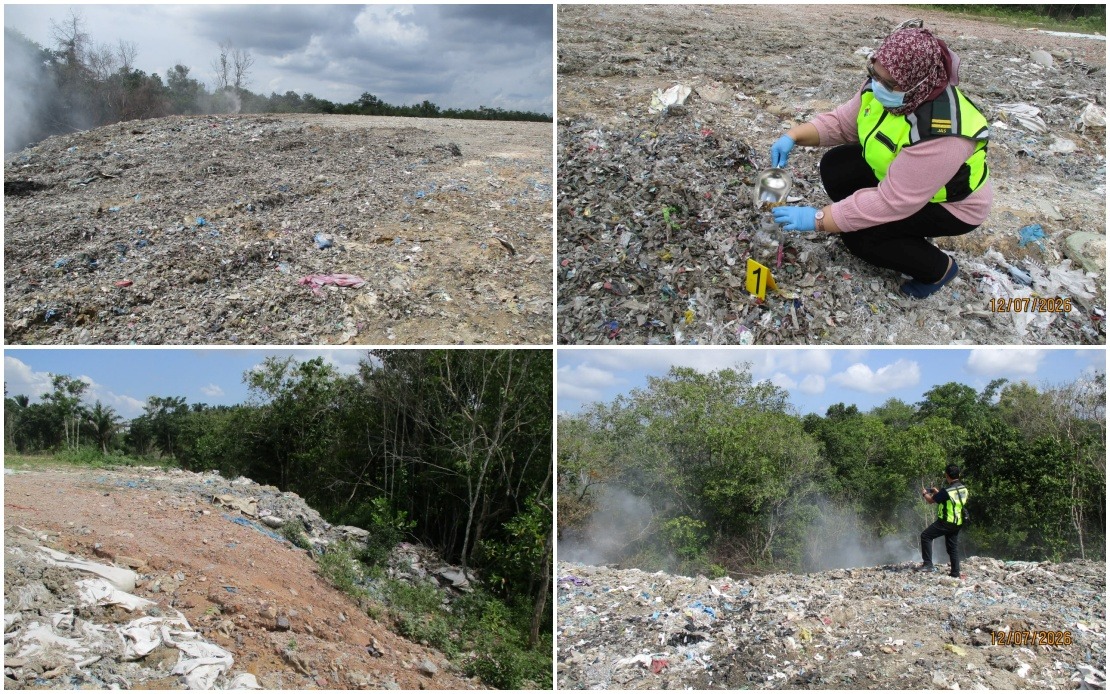
Environmental authorities in Kedah have uncovered a significant illegal waste disposal operation in Bukit Banyan, near Sungai Petani, prompting a formal investigation into unauthorized dumping and hazardous burning practices. The discovery follows complaints lodged by residents who detected strong odours emanating from the site, triggering the state's Department of Environment to dispatch inspectors for on-site verification on July 14.
Statewide Department of Environment director Sharifah Zakiah Syed Sahab confirmed that investigators found extensive evidence of environmental violations across the plot. The dumped waste, spanning approximately 250 square metres of cleared land, consisted primarily of domestic refuse originating from industrial zones within the district. Visible smoke plumes observed during the inspection suggested active combustion at the time of discovery, with authorities believing residents and nearby workers had been exposed to toxic fumes for an extended period.
The practice of open burning at such unregulated sites represents a severe environmental hazard common across Malaysia's industrial regions. Operators typically resort to this method to extract valuable metals from discarded electrical equipment and consumer goods, a lucrative but deeply damaging informal recycling approach. The recovery of copper, aluminium, and other materials through high-temperature burning releases substantial quantities of toxic particulates and chemical pollutants into the surrounding atmosphere, creating health risks for neighbouring residential and commercial areas.
Investigations revealed that the contractor responsible for collecting waste from industrial facilities throughout the district had established this disposal point without obtaining mandatory written authorization from the director-general of the Environment Ministry. This procedural violation compounds the seriousness of the environmental breach, indicating deliberate circumvention of regulatory oversight mechanisms designed to protect public health and ecosystem integrity. The Kedah DOE confirmed that no permits, licenses, or approval documentation existed for this operation.
To build an evidentiary foundation for potential prosecution, environmental officials collected samples of solid waste from the site and submitted them to the Department of Chemistry for comprehensive laboratory testing. These analyses will establish the precise composition and hazard classification of materials being burned, providing crucial technical documentation to support enforcement actions. The forensic findings may also reveal whether hazardous industrial waste or scheduled toxic substances had been improperly mingled with domestic refuse.
The case has been formally registered under two distinct provisions of Malaysia's Environmental Quality Act 1974, indicating the severity with which authorities view the infractions. The first charge relates to permitting open burning on private land without authorization, covered under Section 29A(1), while the second addresses operating an unlicensed sanitary landfill facility under Section 34A(6). The dual-charge approach reflects the compound nature of the violations and strengthens the prosecution's legal position should the matter proceed to court.
Responsibility for ongoing enforcement now rests with the Solid Waste and Public Cleansing Management Corporation, a federal agency that oversees waste management compliance across Malaysia. SWCorp will coordinate monitoring efforts to ensure the site is remediated, verify that dumping activities have ceased, and determine appropriate penalties against the responsible contractor. This inter-agency handover ensures that specialized federal enforcement machinery can be brought to bear on what represents a systematic operational breach rather than a isolated incident.
The discovery underscores persistent challenges in regulating informal waste recycling and disposal practices across Malaysian industrial corridors. Despite regulatory frameworks and penalties, contractors operating in grey areas of the economy continue to prioritize short-term cost savings over environmental compliance, shifting externalities onto surrounding communities. The incident demonstrates the effectiveness of public complaints mechanisms in triggering official response, highlighting the importance of citizen vigilance in identifying environmental violations.
For residents and businesses in Bukit Banyan and surrounding areas, the discovery raises questions about how long the operation had persisted undetected and whether residual contamination of soil and groundwater requires remediation. Industrial zones in Kedah, like those across Malaysia, frequently neighbour residential developments and agricultural land, creating potential pathways for pollutant migration. The laboratory analysis of waste samples will inform decisions regarding necessary environmental restoration measures at the site.
The case reflects broader Southeast Asian trends whereby rising industrial activity and consumer consumption generate expanding waste streams that challenge regulatory capacity. Malaysia's waste management infrastructure, while relatively developed compared to neighbouring economies, continues to encounter enforcement difficulties in districts where informal operators maintain logistical advantages over licensed facilities. Strengthening inspector resources, enhancing detection technologies, and increasing financial penalties for environmental violations represent ongoing policy considerations for Kedah and other Malaysian states grappling with similar compliance issues.

